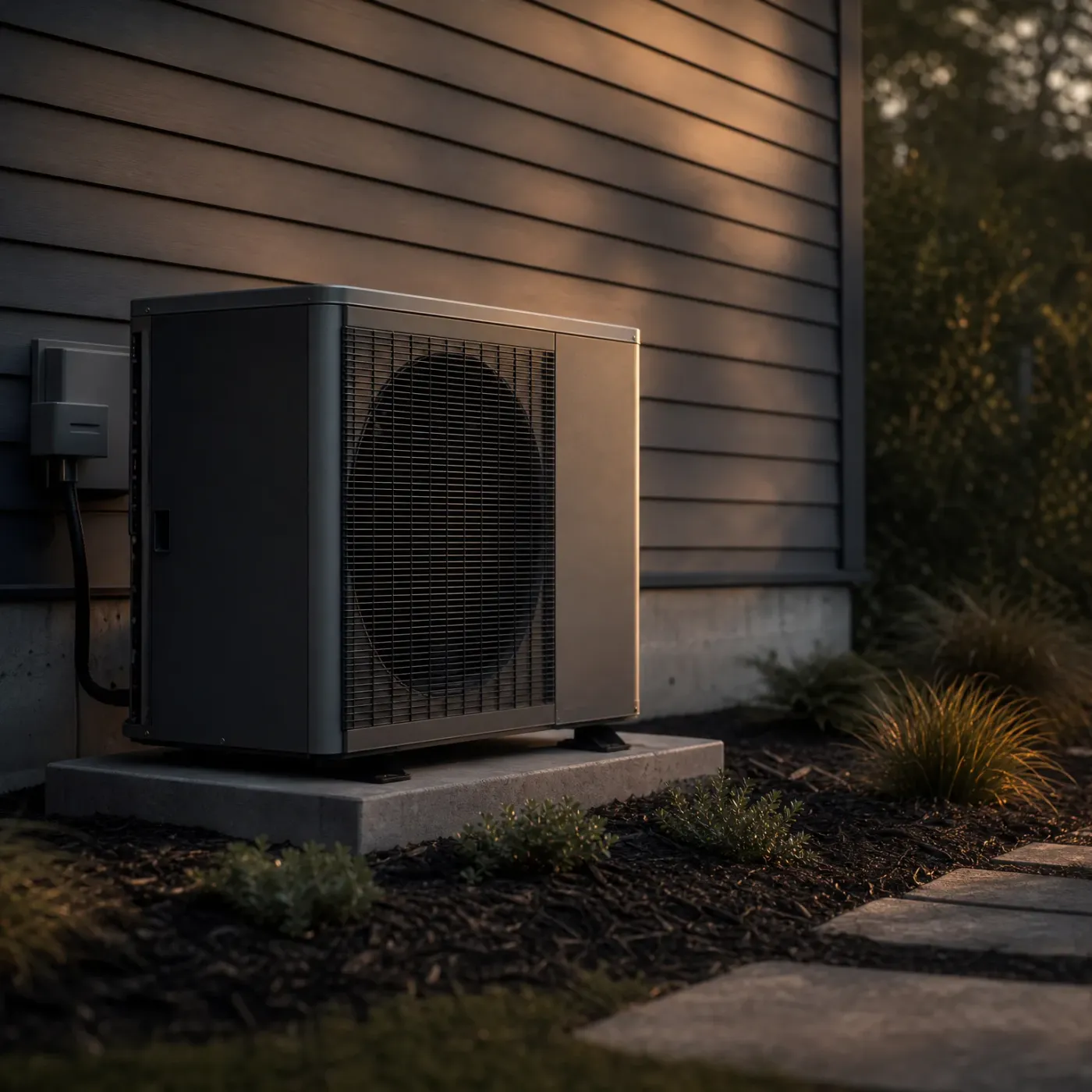
An outdoor heat pump unit on a concrete pad beside a house with horizontal lap siding, with a wall-mounted disconnect box and conduit at left and mulched planting beds with grasses and a stone path at right.

Hand off the search today

Heat pump blowing cold air in Dundalk, MD

A heat pump blowing cold air in the middle of a Dundalk winter usually means the system is stuck in the wrong mode, or something is stopping it from switching over to heat. Sometimes it's a thermostat setting, sometimes the reversing valve or the outdoor unit itself. Send in your address and a contractor who works on these systems around Baltimore County can take it from here.

Send it today

A heat pump that blows cold air in winter is often doing exactly what it's built to do. Heat pumps move warmth from the outside air into your house, and when it's cold out, the air coming through your vents feels cool next to your skin even though it's warmer than the room was. That's normal on a 30 degree day. What isn't normal is cold air blowing nonstop, or air that's actually cold, not just cool. That usually points to the system running in the wrong mode, a reversing valve stuck in place, ice built up on the outdoor unit, or a refrigerant charge that's too low to carry any heat at all. Cold snaps like Baltimore County gets most winters put extra strain on these parts, and a heat pump that can't switch properly will keep running without actually warming your house.

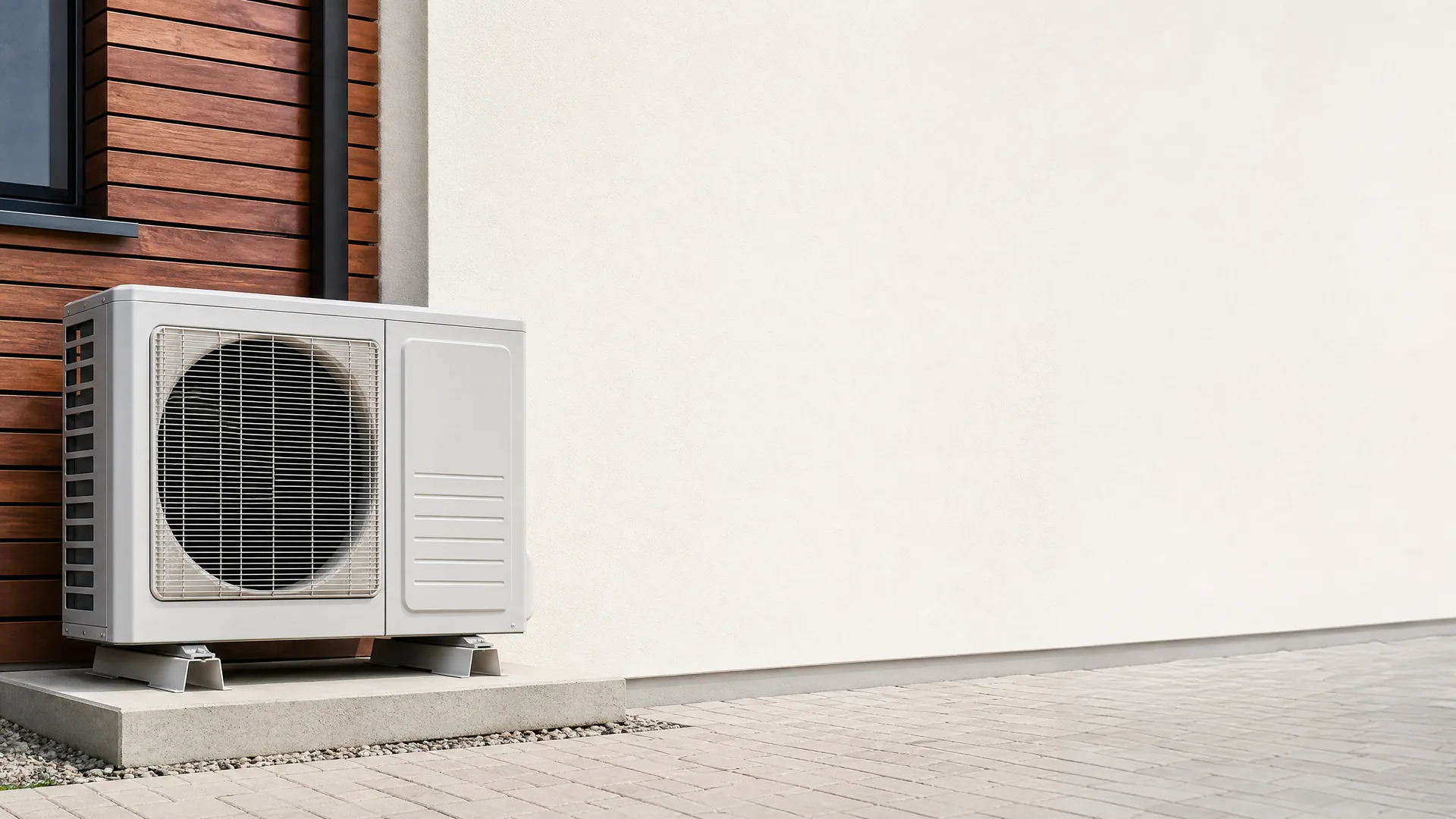
A white outdoor heat pump unit on a concrete pad beside a house with wood-slat siding and a large plain light-colored stucco wall, with paving stones in the foreground.

Why the reversing valve matters

The reversing valve is what lets your heat pump switch between cooling your house in summer and heating it in winter. When it sticks in the cooling position, the system keeps pulling heat out of your house instead of putting it in, and the air from your vents stays cold no matter how long it runs. A valve that won't shift is one of the more common reasons for this problem once the thermostat and settings check out fine.

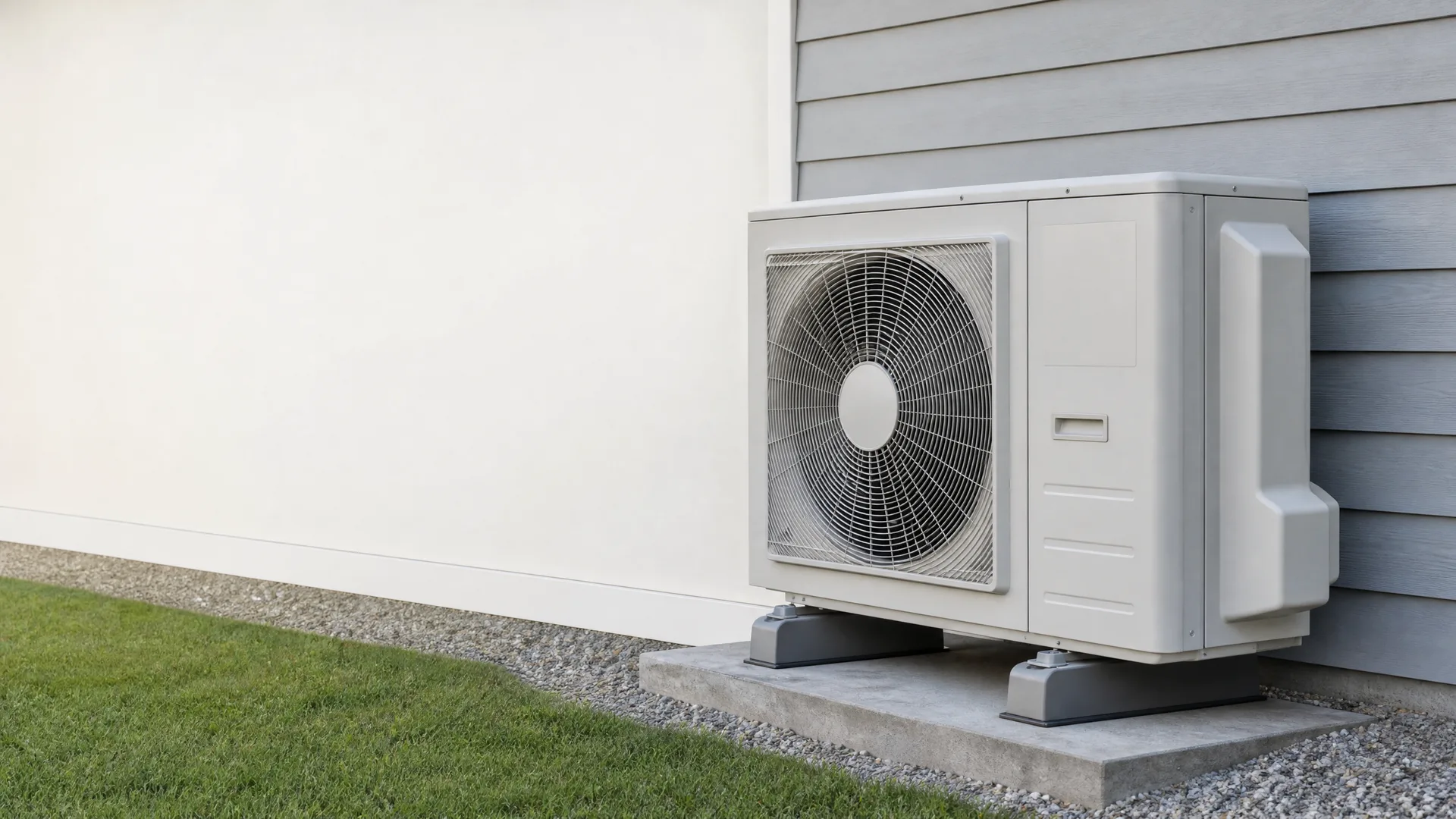
A white outdoor heat pump unit on rubber feet sits on a concrete pad beside a gray-sided house wall, next to a smooth light wall, gravel strip and lawn.

What the outdoor unit is doing

In cold weather, the outdoor unit can build up frost, and it's designed to run a defrost cycle to clear it. During defrost, the system briefly reverses and can push cool air inside for a few minutes, which is normal. But if the outdoor coil stays iced over or the defrost cycle doesn't end properly, the unit can't pull in enough heat, and the air inside stays cold well past that short cycle.

Why does your heat pump have to work so hard all winter?

  • Winter nights average 26°F

    Overnight lows here average 26°F in December and January, so your heat pump leans on the reversing valve and defrost cycle for months, not days.

  • Heat runs October through April

    Heat runs about seven months a year in Baltimore County. That's seven months where a stuck reversing valve shows up as cold air instead of heat.

  • Cooling runs June through September

    Cooling only runs about four months here, June through September. The valve sits in heating mode most of the year, which is where problems tend to surface first.

NOAA nClimDiv 1991-2020

Air that feels cool but isn't cold

Hold your hand to the vent and check the thermostat before you call anyone. Heat pumps put out air around 90 to 95 degrees, which is warm compared to your skin but feels cool compared to a gas furnace's 120-degree air. If the house is slowly climbing toward the setpoint and the outdoor unit is running, the system is doing its job. Look at the thermostat mode too. If it's set to cool or set to fan only instead of auto, that alone will send air through the vents that never gets heated at all.


Air that stays cold for good

If the house keeps losing ground no matter how long the system runs, something is actually wrong. A reversing valve stuck in cooling mode, a stuck defrost cycle, or a low refrigerant charge will all leave you with genuinely cold air and a house that keeps cooling off through a Dundalk winter night. You'll notice ice building up on the outdoor unit, or the air at the vent staying close to room temperature instead of warm. That's not the heat pump doing what it's built to do. That's a repair a licensed contractor needs to look at.

A gray-haired man in a dark green sweater sits on a sofa in a sunlit living room, looking off to the side, with a framed landscape painting, dining table and shelving behind him.
A gray-haired bearded man in a dark green collared sweater sits on a sofa in a living room with a window, houseplant, floor lamp and bookshelves, looking off to the side.
A middle-aged man in a dark green sweater sits on a light grey sofa looking toward a sunlit window, with a wooden shelving unit, lamp and potted plants in the background.
A gray-haired bearded man in a dark knit sweater sits on a light gray sofa in a sunlit living room, looking to his left, with a framed artwork, a potted palm, and a curtained glass door behind him.

Hand off the heat pump problem

A licensed pro who repairs heat pumps in Baltimore County gets your request.

No fee to send it, and nothing to sign.

If the air stays cold at the vent and the house keeps losing ground, the reversing valve is likely stuck and the outdoor unit may be running backward, pulling heat from your rooms instead of putting it in.

Left alone through a Dundalk winter, that's a system working against itself while your electric bill climbs and the house falls further behind the thermostat setting.

An outdoor air conditioning condenser unit on a concrete pad beside a house with horizontal lap siding, with a green shrub to the left and a wide concrete slab in the foreground.
Before you get your heat pump repair
A gray outdoor condenser unit on a concrete pad beside a light-colored horizontal-siding house, with a disconnect box and refrigerant line on the wall, ornamental grasses and a shrub in mulch nearby, and a concrete patio in the foreground.
After you get your heat pump repair

Air at 90 to 95 degrees

That's normal heat pump output, and it will feel cool against your skin. The thermostat number climbing, even slowly, means the system is heating.

Send my request

Air at room temperature or cooler

If the air isn't warmer than your house, the system isn't heating it. That points to a stuck reversing valve or a unit running backward.

Send my request

Is Your Heat Pump Working or Failing

Normal operation

  • Air at the vent runs warm to the touch, usually in the 90 to 95 degree range, not hot like a furnace.
  • The thermostat setting and the room temperature move toward each other over time, even if it takes a while on a cold night.
  • The outdoor unit may look like it's frosted over in the early morning and then clear itself within fifteen or twenty minutes.
  • You hear the system pause and a faint whoosh as it switches briefly into defrost, then it goes back to heating.
  • Rooms farthest from the thermostat stay a few degrees cooler than the room where you feel the air directly.

Needs a repair

  • Air at the vent stays at room temperature or feels cooler than the room itself, no matter how long the system runs.
  • The thermostat number holds steady or drops while the system runs, instead of climbing toward the setting.
  • The outdoor unit stays frosted over for hours instead of clearing after a short defrost cycle.
  • The system runs constantly without ever satisfying the thermostat, and the house keeps losing warmth.
  • You hear it switch over but the air coming out afterward never changes from cool to warm.
A gray outdoor condenser unit on a concrete pad beside a light green lap-sided house, with a wall-mounted electrical disconnect box, mulch bed with shrubs, river rock, and a paved walkway in the foreground.
A clean coil like this lets the outdoor unit pull in heat even on a cold Dundalk night.
An outdoor air conditioner condenser unit on a concrete pad beside a house with beige vinyl siding, with a gray electrical disconnect box and insulated refrigerant lines on the wall and river rock to the right.
Coil fins packed with dirt and debris block airflow, so the unit struggles to heat your house at all.
A woman with shoulder-length brown hair in a cream cardigan and top sits in an armchair indoors, looking toward a sunlit window with trees outside.
A woman with hair in a bun sits on a couch holding a sleeping child, both wrapped in a chunky knit blanket, in a dimly lit room with a lamp and bookshelves behind.

What You Know Now

  • Cold air at the vent with the thermostat setting never closing in on room temperature points to a reversing valve or control board problem, not a thermostat setting.
  • A licensed technician who works heat pumps through Baltimore County winters knows the reversing valve and defrost board are the first places to check.
  • Checking the air temperature at the vent and watching the thermostat for a few minutes tells you more than guessing at the cause.
  • One local contractor takes the call instead of several companies competing for the job, so you deal with a single technician who knows the equipment.
  • A frozen or dirty outdoor coil can keep a heat pump from heating even when every other part works fine.
  • Left stuck in the wrong mode, a heat pump can run all night pulling heat out of a house that's already cold.

Cold air from a heat pump isn't automatically a breakdown. What tells you the difference is the thermostat, not your hand at the vent. Warm air that never pushes the room temperature closer to the setting means the system is stuck, most likely a reversing valve that won't switch over or a control board that isn't telling it to. A frozen or dirty outdoor coil can cause the same result for a different reason, blocking the unit from pulling in heat at all. None of these are things to diagnose by feel on a cold night. They're things a technician checks with the right tools, and the ones who work Baltimore County winters check them often enough to know which one is usually the culprit before they even open the panel. Left alone, a heat pump stuck in the wrong mode doesn't just fail to heat your house. It runs anyway, all night, pulling what little warmth is left out of rooms that are already losing ground. That's wear on the system and a harder climb back to comfortable once it's fixed. When you put in a request, it goes to one local contractor, not a handful of companies bidding for the job. You get a single technician who knows this equipment and this climate, not a stack of callbacks to sort through. The fix itself, whether it's the valve, the board, or the coil, is a job for someone licensed to do it. What you can do now is watch the thermostat, note what the air feels like, and have that ready when you call.

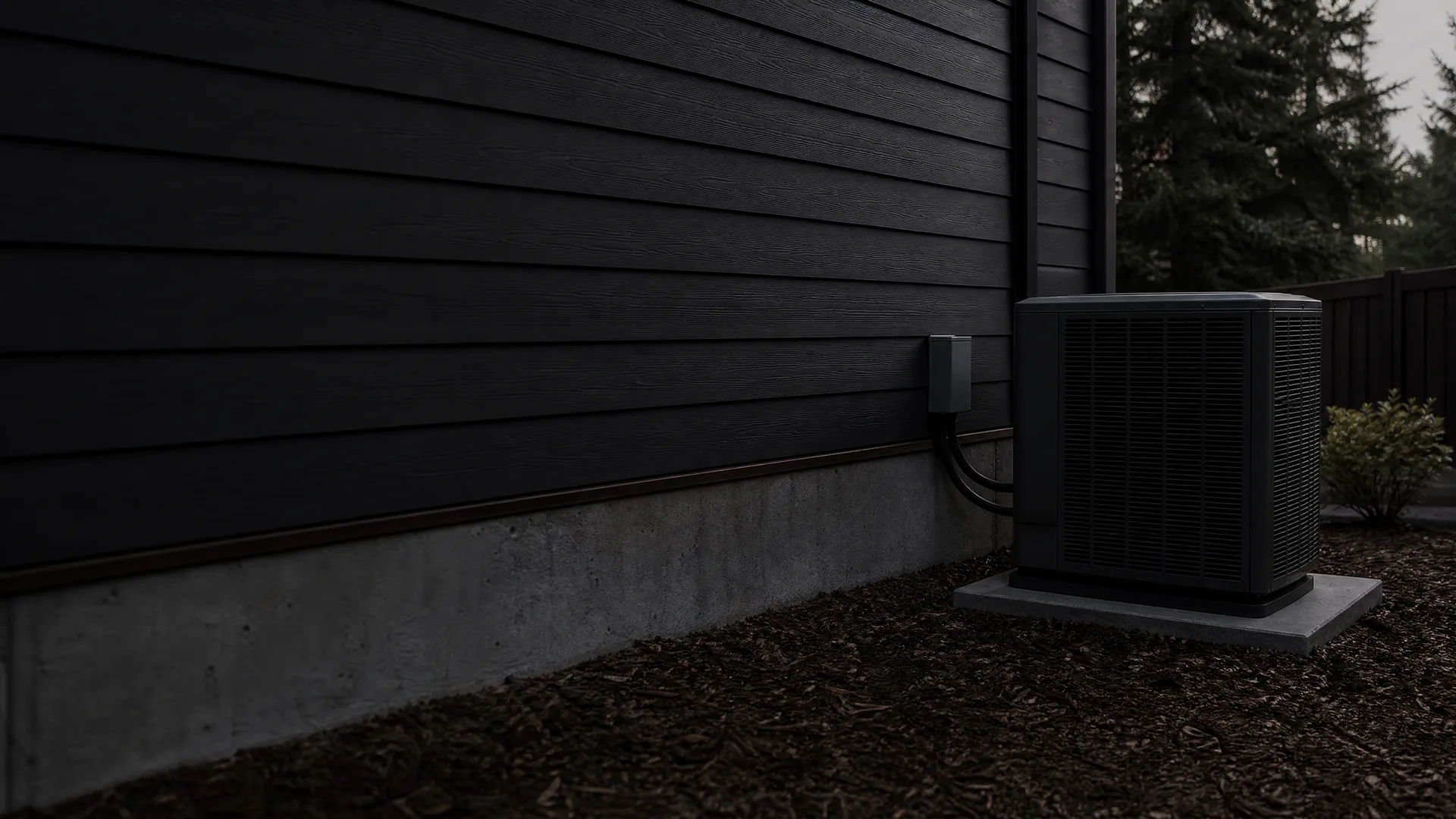
An outdoor heat pump condenser unit on a concrete pad beside a dark horizontal-siding house, connected by conduit to a wall-mounted disconnect box, with mulch ground cover, a fence, and evergreen trees behind.

Let someone else find the pro

A licensed pro who works in Baltimore County gets your request.

RepairHeat PumpBaltimore County, MD
Step 1 of 2

What ZIP code is the job in?