
Mini Split Installation in Maryland
Electricity costs homes more in Maryland than in 37 of the other 49 states.
Tell us about the job
Takes about a minute. No obligation.
- 85°Fsummer afternoon high where people live
- 4 monthsof cooling, June through September
- 27°Fwinter overnight low where people live
- 7 monthsof heat, October through April
Electricity costs more in Maryland than in most states A mini split's efficiency rating matters more here
- Southern counties need about 12% more cooling than northern ones
- Summer afternoons average 85°F where people live
- Winter nights average 27°F where people live
- Cooling runs June through September
- 3,732 damaging wind events from 2015 to 2024
- 11% of homes lost power a day or more in 2024


Half of Maryland's homes were built in 1979 or earlier.

May is the month to get a mini split installed here, right before cooling starts in June. Get it running before the first warm week and it's just there doing its job, not something going in while the house is already hot.
Cooling runs June through September in Maryland, about four months a year. That's more months than in 27 other states, which means more hours on the system over a year, and more chances for a poor installation to show up in how hard it has to work.
A Maryland summer runs the system hard, month after month
June through September, afternoons here average 85 degrees. That's hotter than in 30 other states, so a mini split in Maryland spends those months working against a higher outdoor temperature just to hit the setting on the thermostat. Maryland also sees damaging wind often, more than in most other states over the past decade. An outdoor unit mounted and secured well handles that better than one thrown up fast. Size and setup matter most where a system runs hard for months at a stretch, and that's the case here.
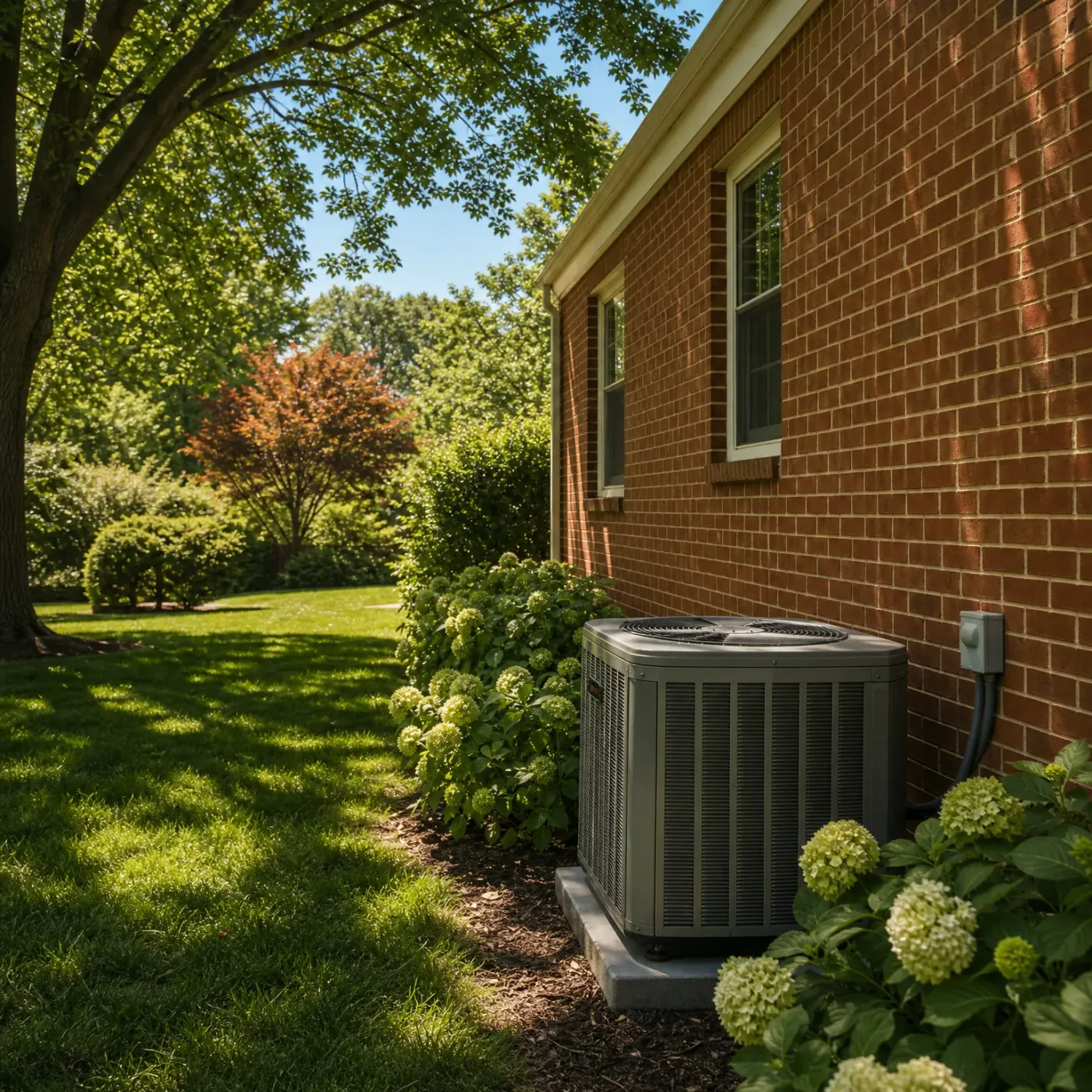
4 months of cooling, June through September
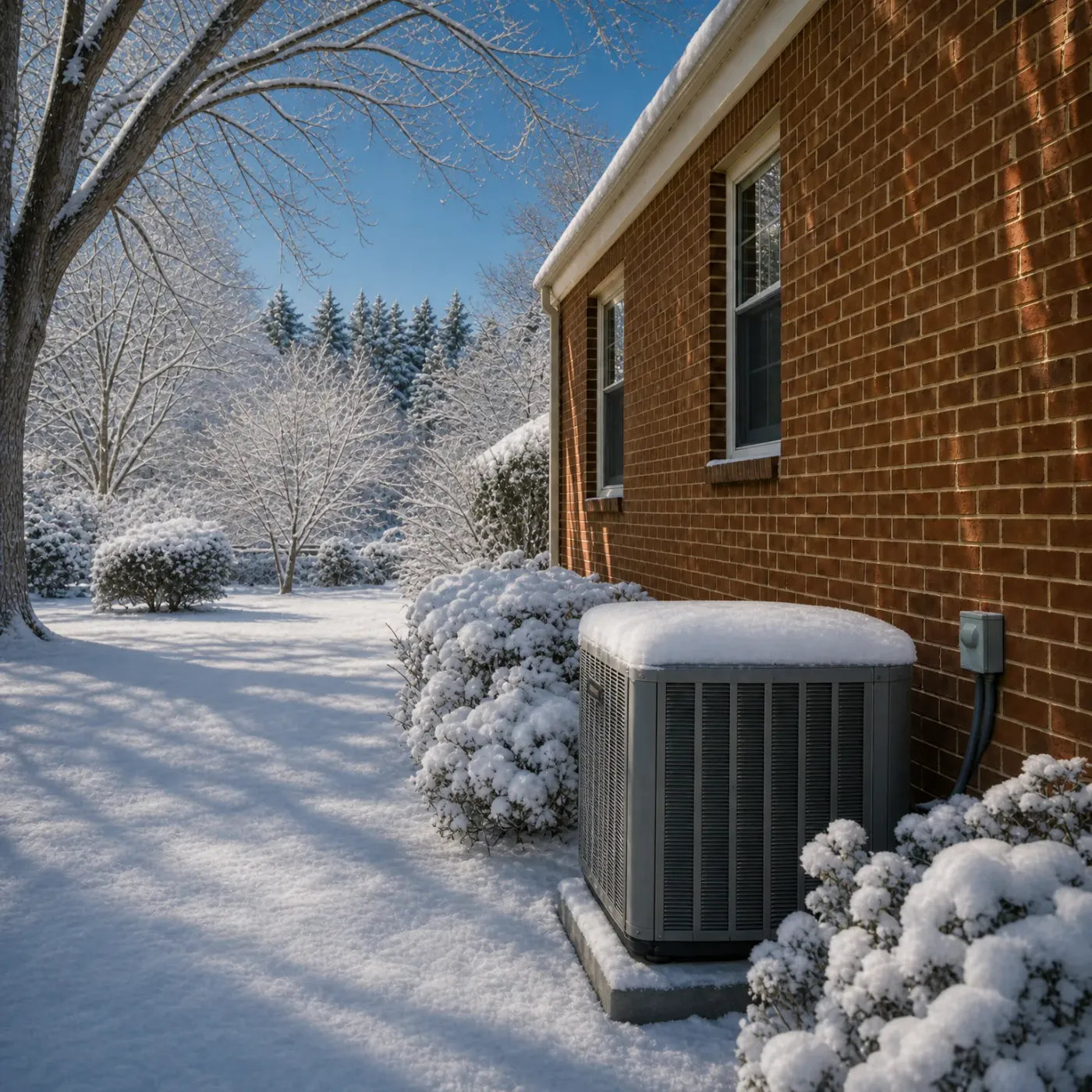
7 months of heat, October through April
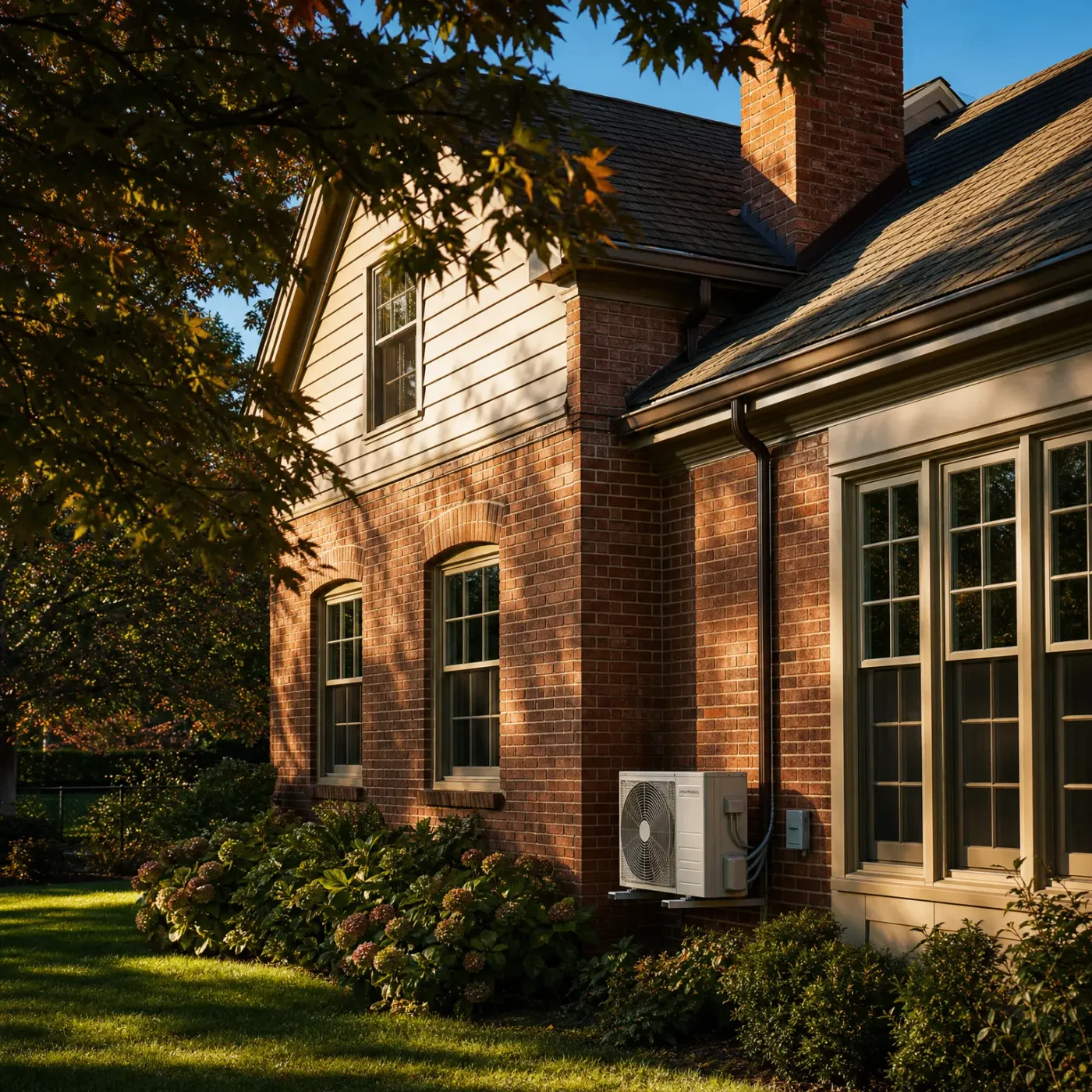
Where you are in Maryland changes how hard a mini split works. Homes in the southern counties need about 12% more cooling over a year than homes in the north, and that gap shows up in one system, run after run.
The widest gap in the state is between Somerset County and Garrett County. Homes in Somerset need about four times the cooling that homes in Garrett County do, the lowest cooling need anywhere in Maryland.
Garrett County runs mild. Summer afternoons there average 78°F, and cooling runs about two months there, the shortest stretch in the state. A mini split in Garrett County is sized and run for a short, light summer.
Baltimore sits at the other end. Afternoons there average 87°F through June, July and August, the hottest in Maryland. Montgomery County runs its cooling the longest of anywhere in the state, about four months.
A mini split sized for Garrett County's summer would come up short in Somerset or in Baltimore. The same system, the same install, works a lot harder depending on which county it sits in.
What does a mini split in Maryland face?
How hot do summer afternoons get?
85°Faverage afternoon high where people live
Alaska66°F
Arizona101°F
How cold do winter nights get?
27°Faverage overnight low where people live
North Dakota4°F
Hawaii65°F
How many months does the cooling run?
4 monthsof cooling a year
Alaska0 months
Hawaii12 months
What does electricity cost?
17.86¢per kWh (kilowatt hours, the unit on an electric bill), what homes paid in 2024
North Dakota11.51¢
Hawaii42.86¢
How often do storms hit?
293severe weather events per county from 2015 to 2024
Alaska5
Wyoming1,057
How many homes lost power for a day or more?
11%of homes in 2024
Arizona7%
Maine54%
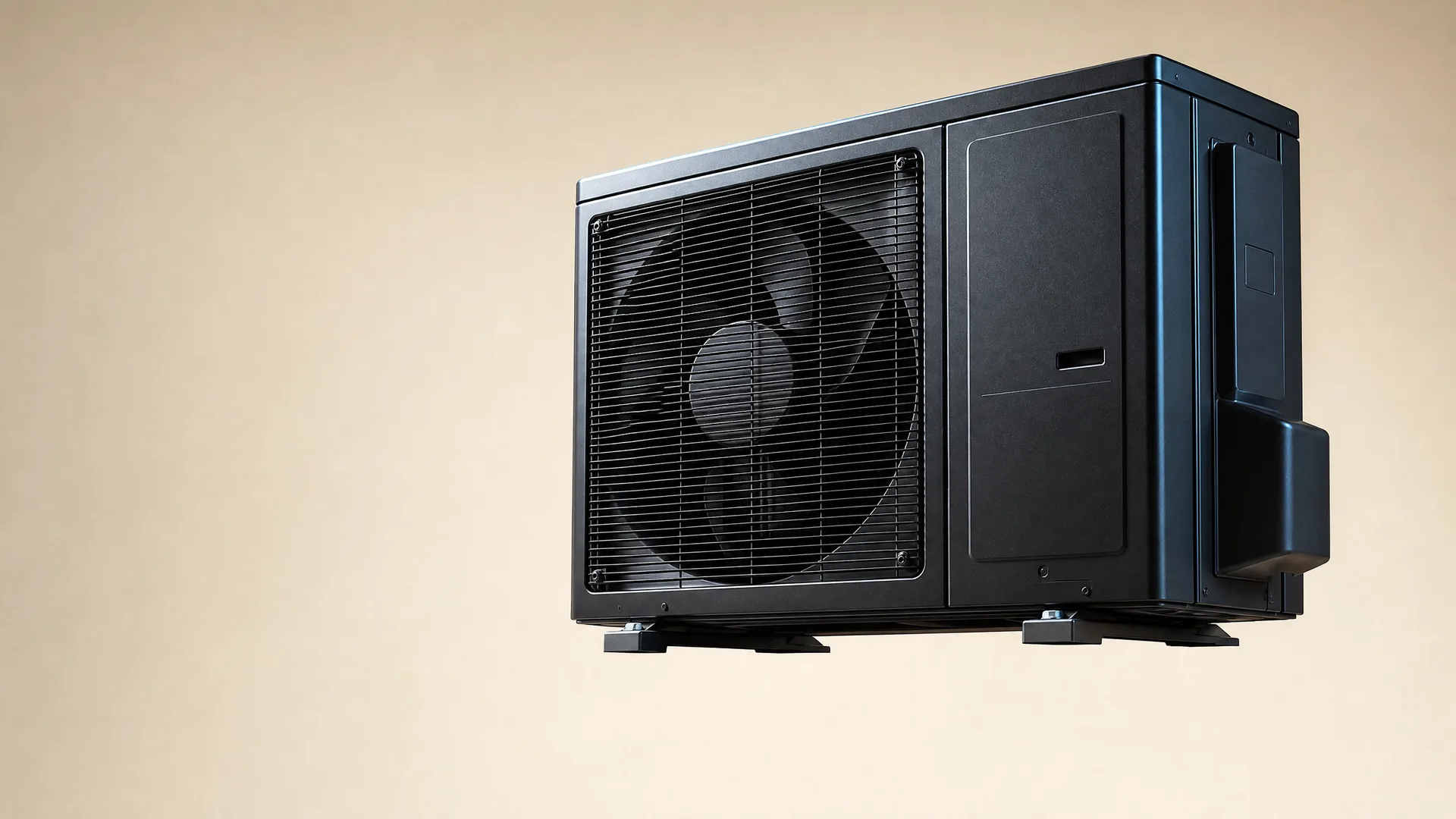
A higher efficiency rating is worth more on a Maryland bill
Electricity in Maryland runs 17.86 cents per kilowatt-hour, more than in 37 other states. A mini split's efficiency rating is what stands between that price and the bill you get. The compressor is what draws the power, and a unit sized right for the room, charged correctly and installed clean moves the same heat for less of it. One sized wrong or installed loose works harder to do the same job, and every bit of that extra work shows up on the meter. Where power already costs more than most places, that gap is worth more than it would be somewhere cheaper to run.
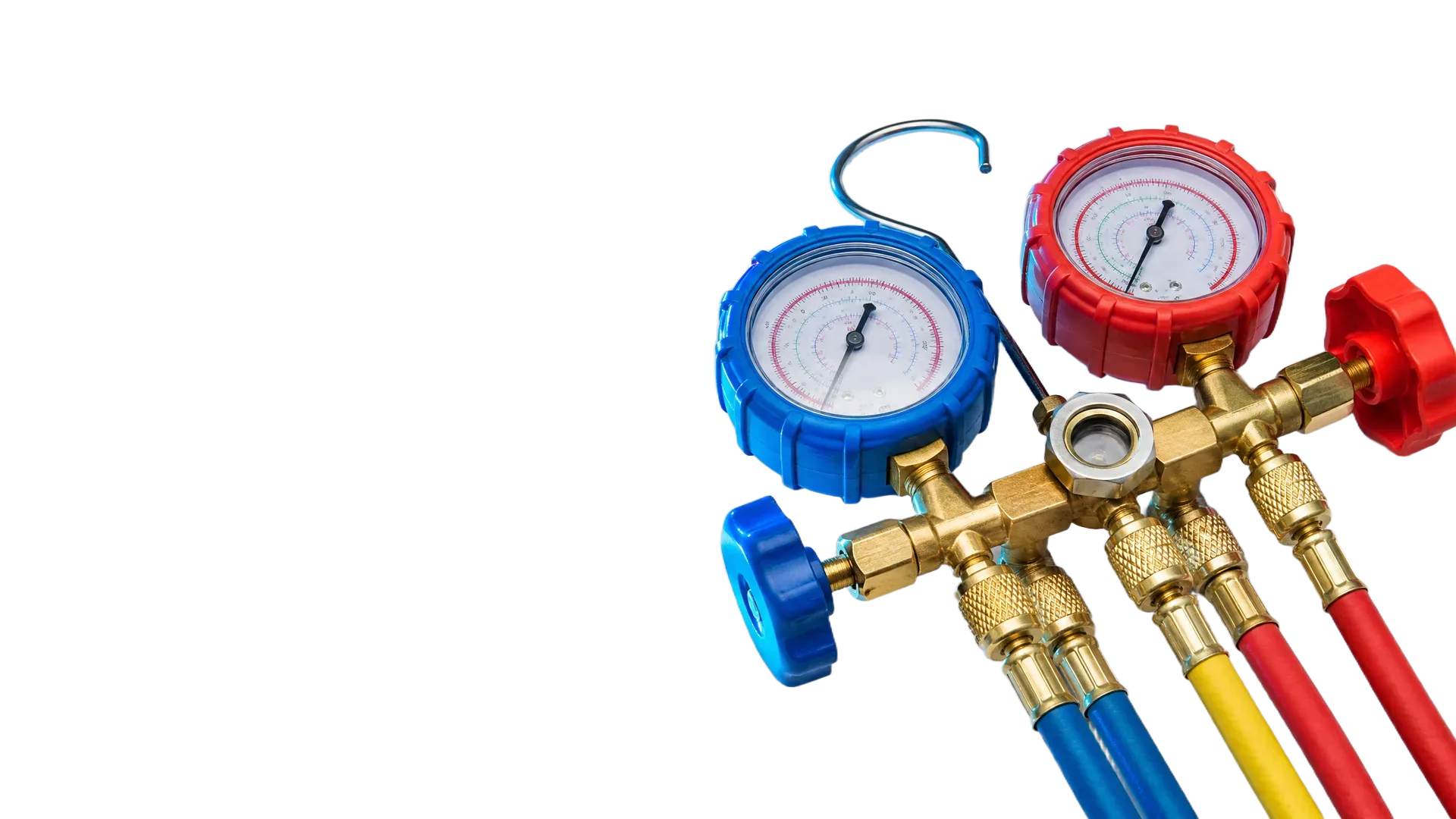
Getting the size right
Sizing a mini split means matching its output to the room it's meant to cover, not picking the biggest unit on the shelf. Too big, and it cools the room fast, shuts off, then kicks back on a few minutes later. That short cycling leaves the room feeling damp because the system never runs long enough to pull moisture out of the air, and all those starts and stops wear on the compressor. Too small, and it never gets ahead of the heat. It runs constantly and still comes up short on the hottest afternoons. Getting it right starts with a load calculation, a room by room look at square footage, ceiling height, window size and direction, insulation, what's on the other side of each wall. That's what tells an installer which unit size and how many indoor heads the space actually needs, not a guess based on the size of the house. The outdoor unit and the indoor head have to be matched to each other too, with the line set between them run and charged correctly. A mini split is only as good as the weakest part of that chain.
Storms don't change the size you need
Nothing in Maryland's storm numbers changes what size or rating to buy. Montgomery County logs more severe weather than anywhere else in the state, and damaging wind hits Maryland more often than in most other states, but a mini split doesn't need a sturdier compressor or a bigger coil to stand up to that. What it needs is a mount that holds. The outdoor unit should go on a bracket rated for it, anchored into something solid, not resting on a flimsy pad or hung off thin siding. That's a mounting question, not a sizing question. The unit a load calculation turns up for your rooms is the right one whether your county sees a handful of storms a year or hundreds.
A mini split sized right costs less to run on every Maryland bill that follows.
Tell us about the job
Takes about a minute. No obligation.
Fill out the form and a licensed Maryland installer gets in touch to size the job.