
Heat Pump Repair in Maryland
Electricity costs homes more in Maryland than in 37 of the other 49 states.
Tell us about the job
Takes about a minute. No obligation.
- 27°Fwinter overnight low where people live
- 7 monthsof heat, October through April
- 85°Fsummer afternoon high where people live
- 4 monthsof cooling, June through September
Nothing about Maryland strains a heat pump. Heat runs seven months, cooling runs four.
- Southern counties need about 12% more cooling than northern ones
- Winter nights average 27°F where people live
- Summer afternoons average 85°F where people live
- Heat runs October through April
- Cooling runs June through September
- 370 winter storms from 2015 to 2024


- A diagnosis that points to the one part causing the trouble, not a guess dressed up as one
- The refrigerant charge checked and corrected, so the compressor stops working harder than it has to
- A reversing valve tested in both directions, so you know it actually switches when it's supposed to
- A system that clears frost off the outdoor coil properly instead of losing capacity to it
- Airflow confirmed through the filter and return, so a simple blockage doesn't get mistaken for a bigger repair

Electricity in Maryland runs 17.86 cents per kilowatthour, more than what homes pay in 37 other states. A heat pump that's low on charge or working harder than it should because of a bad component will show up on that bill every month it runs, not just once.
Maryland homes that use air conditioning put an average of 6.5 million Btu (British thermal units, a measure of heat) of electricity into it each year. A heat pump pulling that kind of load has little room to run inefficiently without you noticing. If something's off, the fix is worth doing soon rather than waiting it out.
Maryland's heating and cooling months
Heat runs October through April here, seven months straight, and cooling runs June through September. A heat pump doing both jobs gets two chances a year to show a weak spot, right when the load on it changes. The first cold snap in October asks more of it than any day in September did. A capacitor or a reversing valve that was borderline all summer can hold up fine until that jump comes. Same thing happens in reverse come June, when the system switches to pulling humidity out of the air after months of doing nothing but heat. If a heat pump is going to fail, it tends to fail at the start of a season, not the middle of one.
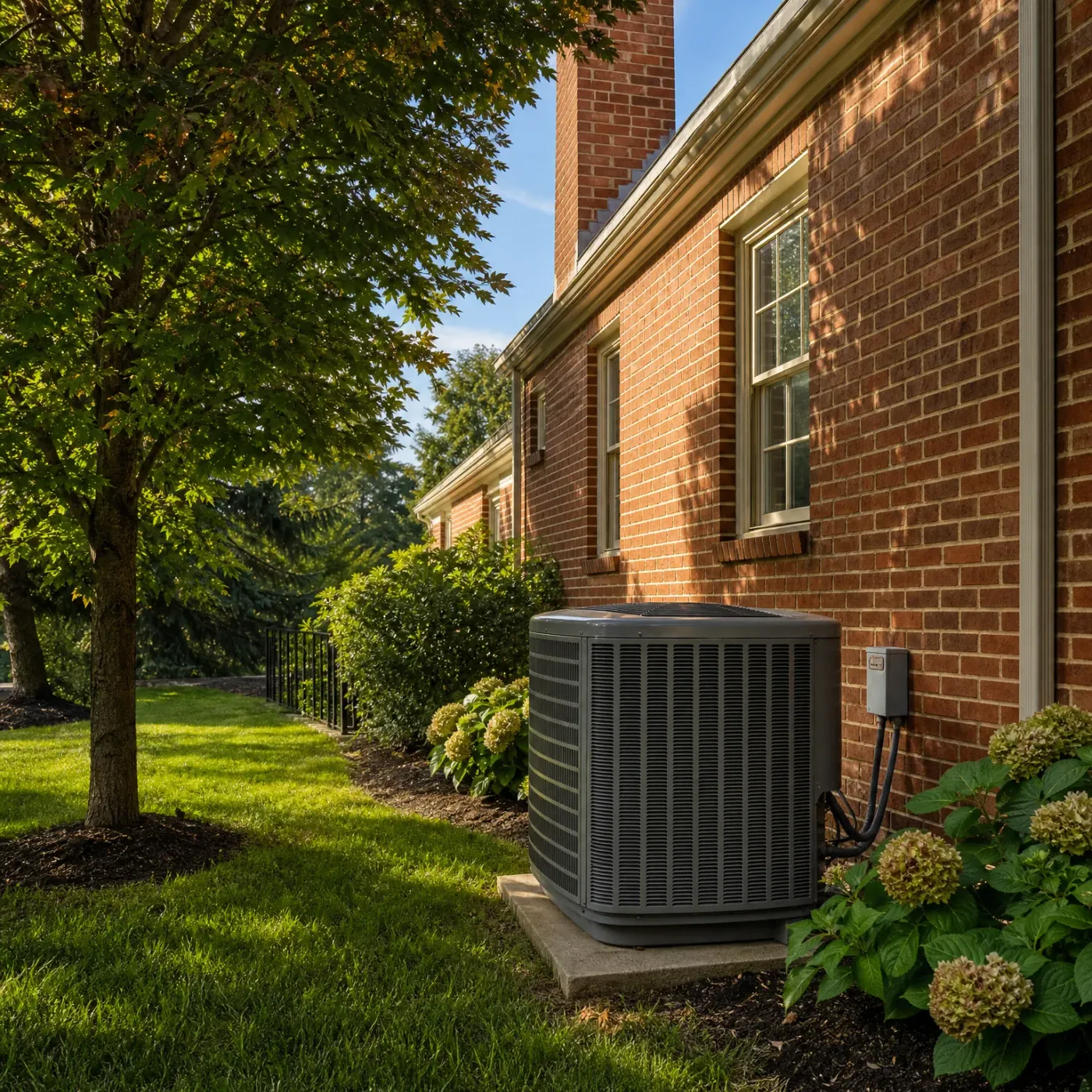
4 months of cooling, June through September
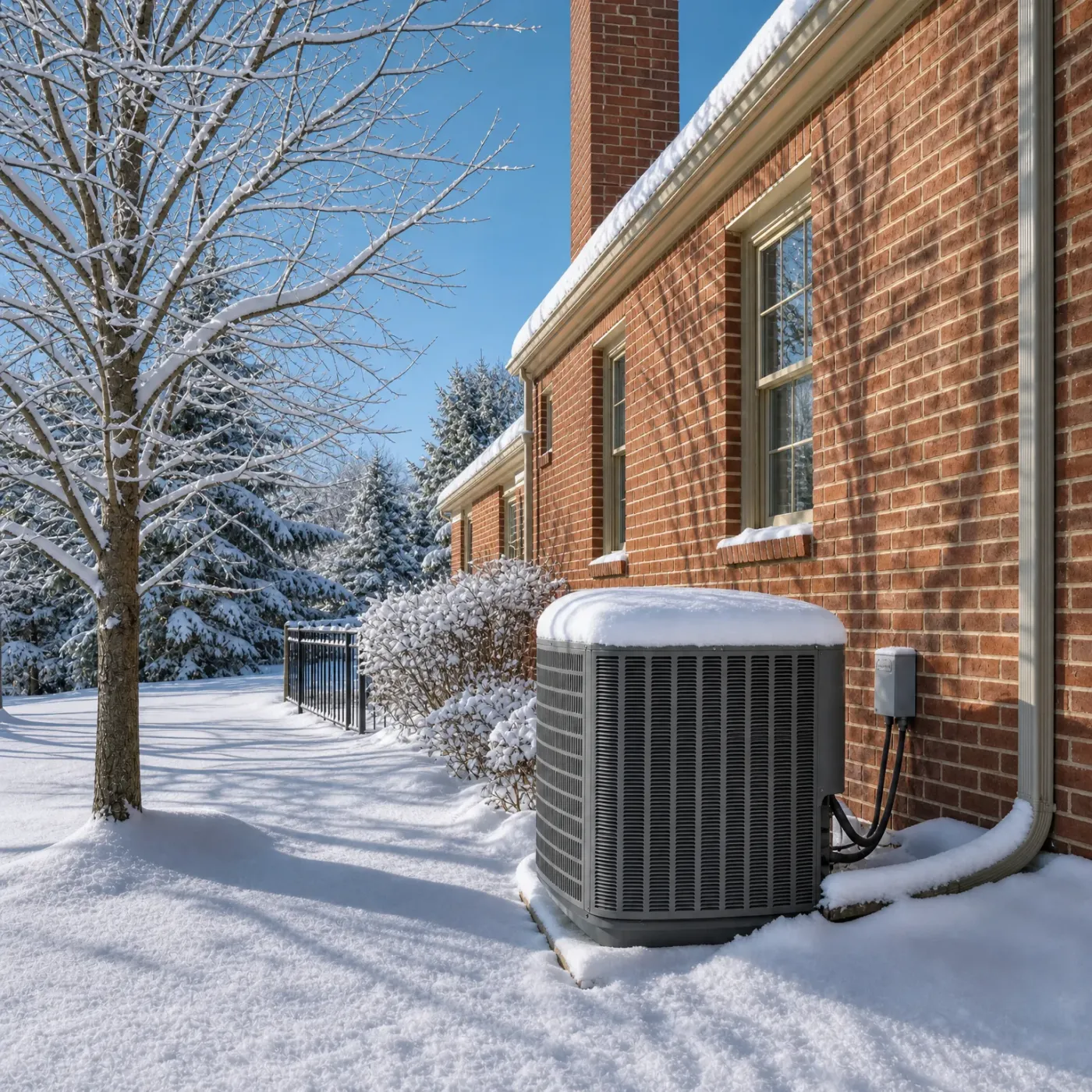
7 months of heat, October through April
Maryland isn't one climate, and where you live in it changes what a heat pump spends most of its time doing. Homes in the southern counties need about 12% more cooling over a year than homes up north. Somerset County needs roughly four times the cooling that Garrett County does, the lowest in the state. If you're in Somerset or nearby, the outdoor unit and the compressor are putting in more cooling hours, year after year, than the same equipment would in Garrett.
Heating runs the other way. Homes in the northern counties need about 9% more heat over a year than homes in the south, and Garrett County needs about 63% more heat than Somerset, where the heating need is lowest in the state. A heat pump near Garrett leans on its heating cycle harder and longer than one near the Eastern Shore does.
Summer afternoons show the same split. Baltimore averages 87°F across June, July and August. Garrett County averages 78°F over the same months. One gets more afternoons where the compressor barely gets to rest, the other fewer.
None of this means a heat pump in one part of the state is built differently or wears out on a different schedule from the inside. It means the balance between heating calls and cooling calls shifts depending on where the house sits. A unit in a high-cooling county is more likely to show a cooling-side problem first, a weak capacitor, a reversing valve stuck in one mode, a low charge. A unit in a high-heating county is more likely to show trouble on a cold morning before it ever shows up in July. Telling a tech which part of the state you're in, and which season gives you more trouble, points the diagnosis in the right direction before the panel even comes off.
What does a heat pump in Maryland face?
How hot do summer afternoons get?
85°Faverage afternoon high where people live
Alaska66°F
Arizona101°F
How cold do winter nights get?
27°Faverage overnight low where people live
North Dakota4°F
Hawaii65°F
How many months does the heat run?
7 monthsof heating a year
Hawaii0 months
Alaska12 months
What does electricity cost?
17.86¢per kWh (kilowatt hours, the unit on an electric bill), what homes paid in 2024
North Dakota11.51¢
Hawaii42.86¢
How often do storms hit?
293severe weather events per county from 2015 to 2024
Alaska5
Wyoming1,057
How many homes lost power for a day or more?
11%of homes in 2024
Arizona7%
Maine54%
A heat pump under strain runs longer, not better
A heat pump that's working harder than it needs to costs you on every bill while you wait. The reversing valve is what lets it heat in winter and cool in summer, and when it sticks, the system can end up fighting itself instead of doing either job well. A low charge does the same thing, making the compressor run longer to put out less heat or less cold. Neither one announces itself. You just see the number on the bill go up and the house not quite keeping up.
What happens when someone comes out to look at it
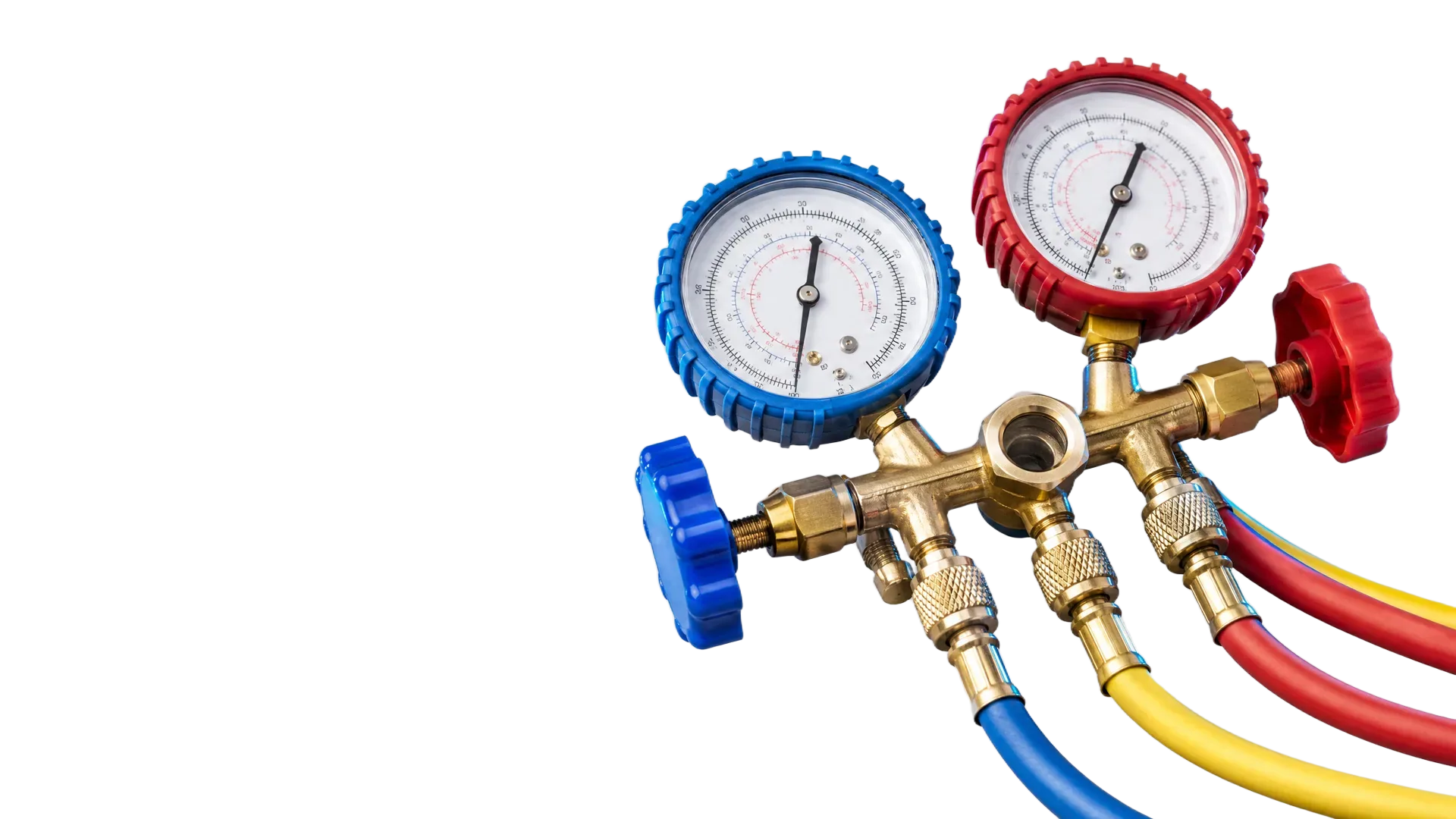
A diagnostic visit starts outside at the outdoor unit and works in. A tech will check refrigerant pressure first, since a low charge shows up right away and explains a lot of other symptoms on its own. From there it's the reversing valve, checked by running the system in both modes to see if it actually switches, and the defrost control, since a heat pump that won't clear frost off the outdoor coil will lose capacity fast. Inside, they'll pull the air handler panel and look at the capacitor and the contactor, the parts most likely to fail from ordinary wear. A set of clamp meters on the compressor wires tells them whether it's drawing more current than it should, which points to a motor working harder than it was built to. Airflow gets checked too, because a dirty filter or a blocked return can mimic a refrigerant problem and send someone chasing the wrong fix. By the end, the tech should be able to point to one part and say that's what's doing it, not a list of maybes.
An ordinary house, an ordinary system
Half the homes in Maryland were built in 1979 or earlier, half later. Most of the state, 72.5 percent, is detached and attached single-family houses. That's an ordinary mix, not an old one or a crowded one. Homes here are older than in most other states, but age alone doesn't wear out a heat pump. What does is years of normal cycling on and off, same as anywhere. So if a Maryland heat pump is giving trouble, the house isn't the reason. The unit is.
Maryland sees more damaging wind than most states, but that's not why your heat pump is acting up.
Tell us about the job
Takes about a minute. No obligation.
Answer a few questions about what it's doing, and hear from a contractor who can look at it.