
Heat pump running all the time in Baltimore, MD
Get my matchA heat pump that never shuts off in a Baltimore winter usually means it's losing a fight it can't win, whether that's a drop below freezing outside or a problem inside the unit. Either way, you're watching the power bill climb and wondering if the system is actually keeping up or just running itself down. Figuring out which it is takes someone who can look at your specific setup, not a general checklist. Finding that person yourself means searching through contractors, calling a few, explaining the same symptoms each time, then trying to judge quotes against each other with no way to know who's actually right. This page skips that part. Tell it what's going on with your system and you'll be matched with a contractor who handles heat pumps like yours in this area, and they'll reach out to you directly. No more calls to make, no more repeating yourself to the next name on the list.
A heat pump that runs nonstop usually means it can't get the house to the temperature you've set, so it just keeps working. On a cold Baltimore day, that can be normal. Heat pumps pull warmth from outside air, and below freezing there's less of it to pull, so the unit runs longer and may lean on backup electric heat to make up the difference. That alone isn't a problem. It becomes one if the house still feels cold, if the outdoor unit is coated in ice that doesn't melt off during its defrost cycles, or if the system has been running straight through for a day or more with no break at all. Those point to something inside the unit, a refrigerant charge that's low, a defrost control that isn't cycling right, or a compressor working harder than it should. A system that runs constantly all winter is also costing you more on every electric bill than one that cycles the way it's supposed to.
Why does your heat pump work so hard here?
Winter nights average 28°F
Nights in the 20s are routine here, not a cold snap. That's the range where a heat pump has to lean hardest on its backup heat just to keep up.
Heat runs October through April
Seven months of the year, your system is on call. That's a long stretch for any unit to run without a problem showing up.
Cooling runs June through September
Four months of cooling means the same equipment switches jobs twice a year. A unit that's struggling in winter was likely doing the same work all summer.
NOAA nClimDiv 1991-2020
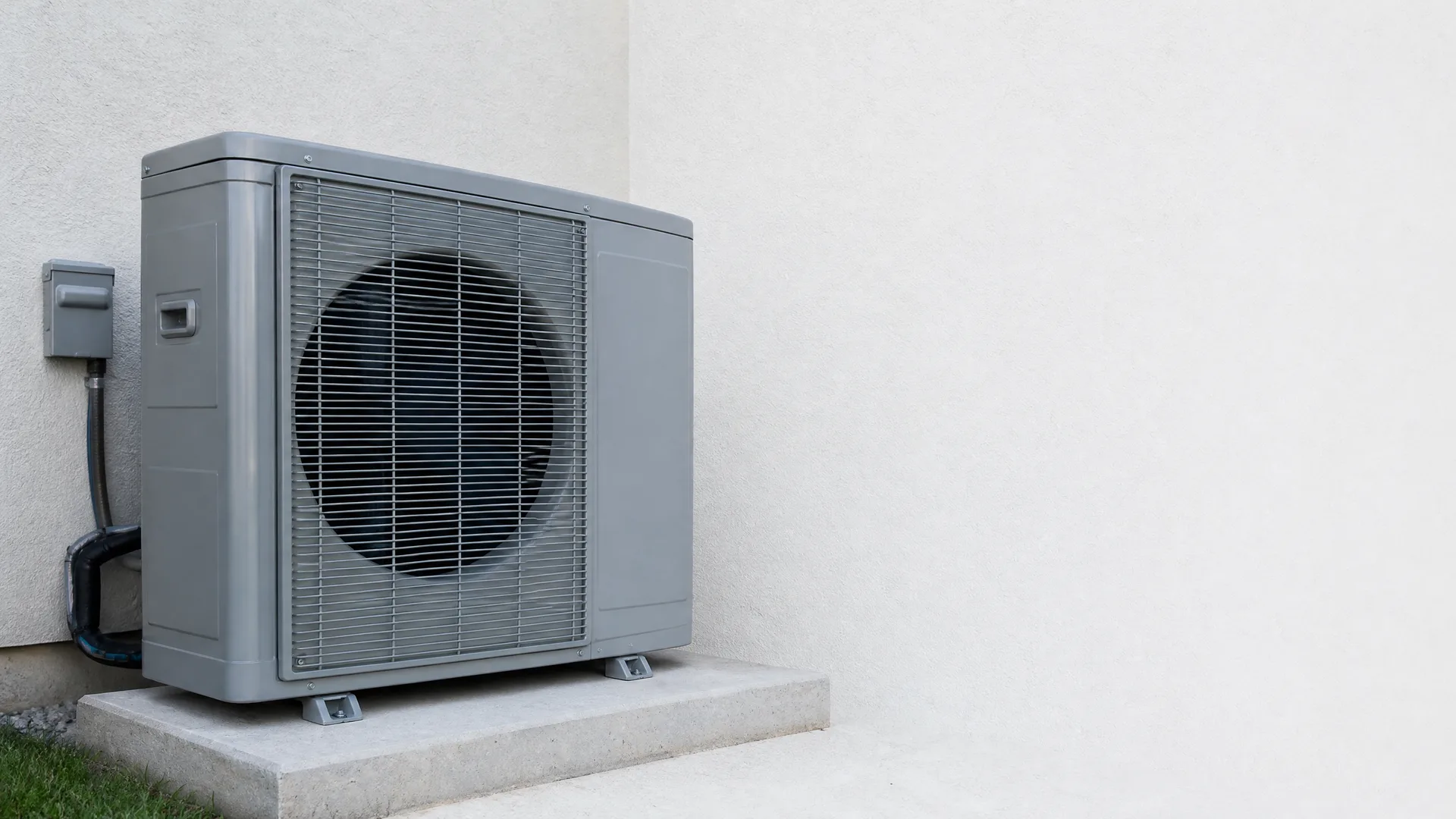
When it's keeping up
On a cold morning the unit may run long stretches without stopping and still hold the house at the set temperature. Check the thermostat against what it's set to. If they match, the heat pump is doing what it's built to do. Below freezing, it has to run longer and lean on backup heat to make the same amount of warmth, and that's expected, not a sign of trouble.
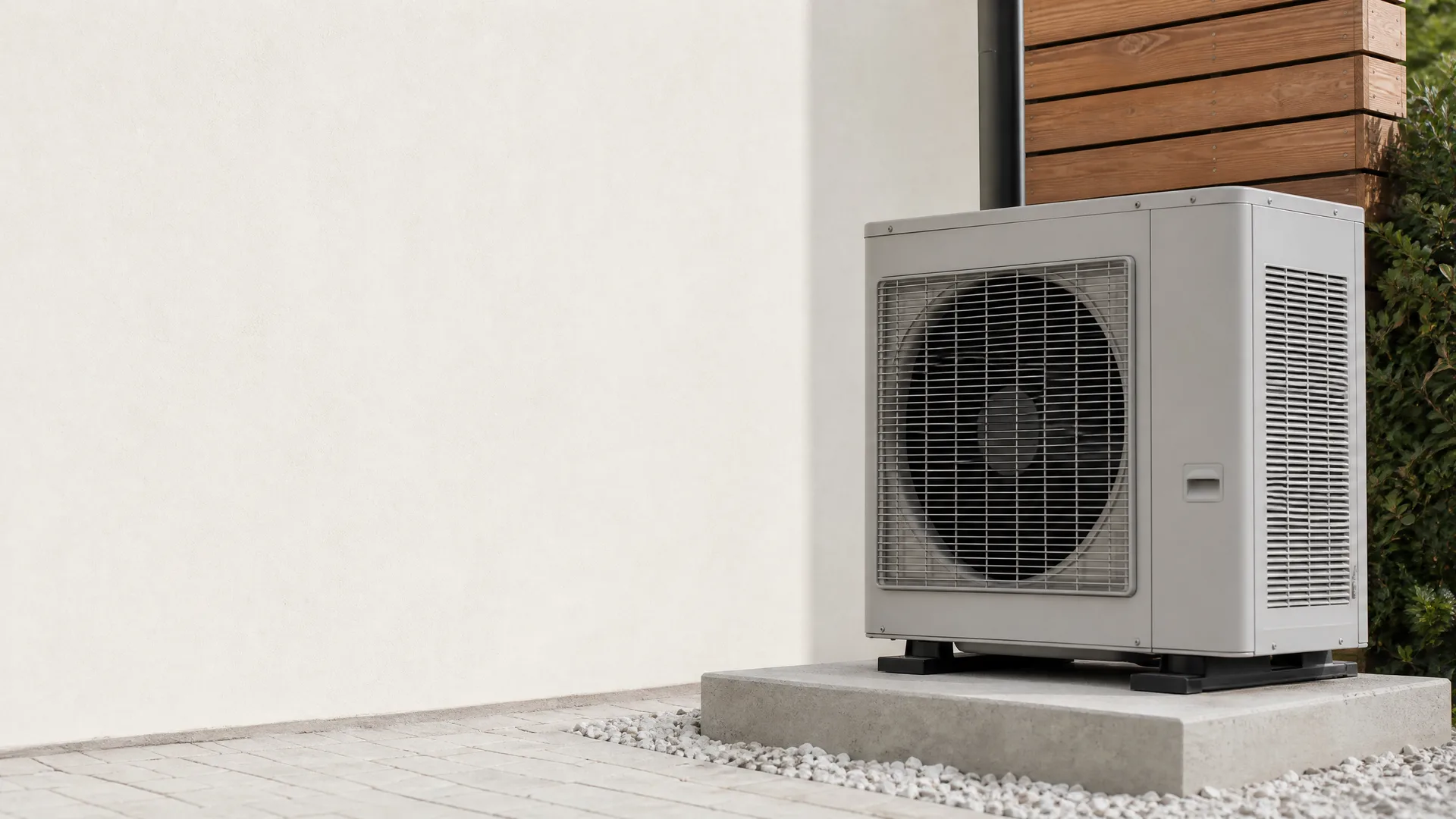
When it's falling behind
If the house is a few degrees cooler than the thermostat says it should be, or it never quite gets there, the system is struggling, not just working. That can mean low refrigerant, a failing part, or ice building up on the outdoor unit that isn't melting off on its own. Left alone, a system in this state keeps running without catching up, and the bill reflects the extra hours.
Normal Cold or a Problem
Normal strain
- Below freezing, the heat pump leans on backup heat to close the gap, and that backup stage can run long and steady without anything being wrong.
- If the house is holding at the set temperature, the system is doing its job even if it never seems to cycle off.
- Long runtimes on the coldest nights are expected in Baltimore, where lows in the 20s show up through most of the winter.
- A higher bill in January and February tracks with that extra runtime and isn't by itself a sign of a fault.
- Once the outdoor temperature climbs back above freezing, you should see the unit start cycling off again like it does in milder weather.
Needs a look
- If the house is colder than the thermostat setting even with the unit running constantly, it isn't keeping up and something is off.
- Ice building up on the outdoor unit beyond a thin, even frost points to a defrost cycle that isn't working right.
- A sharp jump in the power bill that doesn't match a stretch of hard cold suggests the system is working harder than the weather calls for.
- Short cycling, where the unit shuts off and restarts every few minutes instead of running long stretches, is a sign of a problem, not normal cold-weather operation.
- Warm air that feels barely warm at the vents, even on backup heat, can mean a part inside the unit isn't working the way it should.
- A system that was running fine and then suddenly won't stop, with no cold snap to explain it, usually means something changed inside the equipment.




The right pro for this job

Skip searching for a heat pump pro and answer a few questions instead.
Sending the form costs nothing.
How your heat pump actually heats
- A heat pump moves heat through a reversing valve, a small part that switches the refrigerant flow between heating and cooling.
- Outdoors, the coil pulls heat from the air even in cold weather, then the compressor concentrates it enough to warm the house.
- Below freezing, that outdoor coil picks up frost, so the system runs a defrost cycle that briefly reverses itself to melt it off.
- During defrost the indoor fan usually pauses or the air coming out feels cool, which is normal and not a sign of a failing furnace.
- When the heat pump alone can't keep up, electric resistance coils or a gas furnace kick in as backup and add to the runtime you notice.
- A dirty outdoor coil, a low refrigerant charge, or a stuck reversing valve can all make the system run long after it should have caught up.
A heat pump does not make heat the way a furnace does. It moves heat that already exists in the outdoor air into your house, and a part called the reversing valve is what lets the same system do that in winter and cool the house in summer. Outside, a coil picks up warmth from the air, even when it is cold, and the compressor squeezes that heat down until it is warm enough to push through your ducts. Below freezing, the outdoor coil collects frost the same way a freezer does. To clear it, the system runs a defrost cycle, flipping itself into cooling mode for a few minutes so the outdoor coil warms up and sheds the ice. That is why the air from your vents can feel cool for a short stretch, and why the indoor fan sometimes shuts off during that cycle. Neither one means the furnace or the heat pump is broken. When the outdoor temperature drops far enough that the heat pump alone cannot keep up, backup heat takes over, either electric coils or a gas furnace, and that backup stage is part of what stretches your runtime. None of that explains constant running by itself. A coil caked with dirt, a refrigerant charge that has dropped, or a reversing valve that sticks partway through its switch will all force the system to run longer than this process should ever take.


Power here costs 20.22 cents per kilowatt-hour
At 20.22 cents per kilowatt-hour, a heat pump stuck running pulls real money out of your pocket hour after hour. Backup heat strips are the worst of it, since they draw far more power than the compressor alone. If the system won't stop running even on a mild day, that cost is worth checking into.
EIA-861 2025

So where does that leave your system
Long runtimes on a cold night are normal. A system that can't hold the house at the set temperature, or one that runs the same way on a mild afternoon, is telling you something is wrong. That's the line, and now you know which side of it you're on.
If it's the second one, you're looking at the usual list: finding a contractor who works on heat pumps, calling around for someone who can come out soon, explaining what the system's been doing, then doing it again for the next quote. A contractor matched to your situation, one who knows what a Baltimore winter asks of a heat pump, can take that off your plate and reach out to you directly.



Heat Pump Repair
Matched to your heat pump job
One form replaces the calls you'd make to find a heat pump pro.
