
AC Installation in Maryland
Electricity costs homes more in Maryland than in 37 of the other 49 states.
Tell us about the job
Takes about a minute. No obligation.
- 85°Fsummer afternoon high where people live
- 4 monthsof cooling, June through September
- 17.86¢ per kWhwhat homes paid for power in 2024 (kWh means kilowatt hours, the unit on an electric bill)
- 360hail events from 2015 to 2024
Electricity costs more here than most and air conditioners run all summer
- Southern counties need about 12% more cooling than northern ones
- Summer afternoons average 85°F where people live
- Cooling runs June through September
- 360 hail events from 2015 to 2024
- 3,732 damaging wind events from 2015 to 2024
- 11% of homes lost power a day or more in 2024


An older state, but a standard job
Half the houses in Maryland were built in 1979 or earlier, half in 1979 or later. That split doesn't call for anything special in a condenser. A standard size, matched correctly to the indoor coil, works the same in an older house as it does in one finished recently. Most homes here, 72.5%, are detached or attached single-family houses, which is the kind of structure this equipment is designed around to begin with. Maryland's housing stock is older than what you'd find in 28 other states, but age on its own doesn't change the load calculation or the SEER2 (seasonal energy efficiency ratio under the 2023 test, an AC's cooling efficiency over a season) rating that fits. What decides the right size is the house in front of the installer, its square footage, its insulation, its windows, not when it went up or what's next door.

Taking out the old condenser is straightforward. The refrigerant gets recovered into a tank rather than released, since venting it is illegal and bad practice both. After that the unit gets disconnected from the electrical whip, the refrigerant lines get cut free, and the pad underneath is cleared for the new unit or removed if the new one sits elsewhere. The indoor coil usually comes out too, even if it still looks fine, because matching it to the new condenser is what makes the system perform the way it's rated to.
If the old system used a different refrigerant than what's sold now, that's one more reason it gets fully swapped rather than patched. A mismatched coil and condenser will run, but not efficiently, and it can shorten the life of the compressor. Some installers will also check whether the old ductwork and line set are worth reusing, since a new condenser connected to old, leaky lines won't deliver the capacity it's rated for. Whatever gets hauled away, the metal in it gets recycled rather than landfilled.
Four months of heavy use, every year
This system runs four months a year in Maryland, June through September, with afternoon highs averaging 85 degrees across those months. That's a longer cooling season than 27 other states get, and a hotter one than 30 others see. The condenser doesn't idle most of the year and wake up for a few hot weeks. It carries the load all summer, every summer, and that's when a weak install shows up, not as a failure right away but as a bill that runs higher than it should and a house that never quite feels right. Wind matters too. Damaging wind hit Maryland's counties more than 43 of the other 48 states, so where the unit sits and how it's secured is part of the job, not an afterthought. A system sized right for this kind of summer, with the coil matched to the condenser, is what holds up to it. Before summer sets in is also the time to have it serviced, so the filter, the coil and the refrigerant charge are right before the heat arrives.
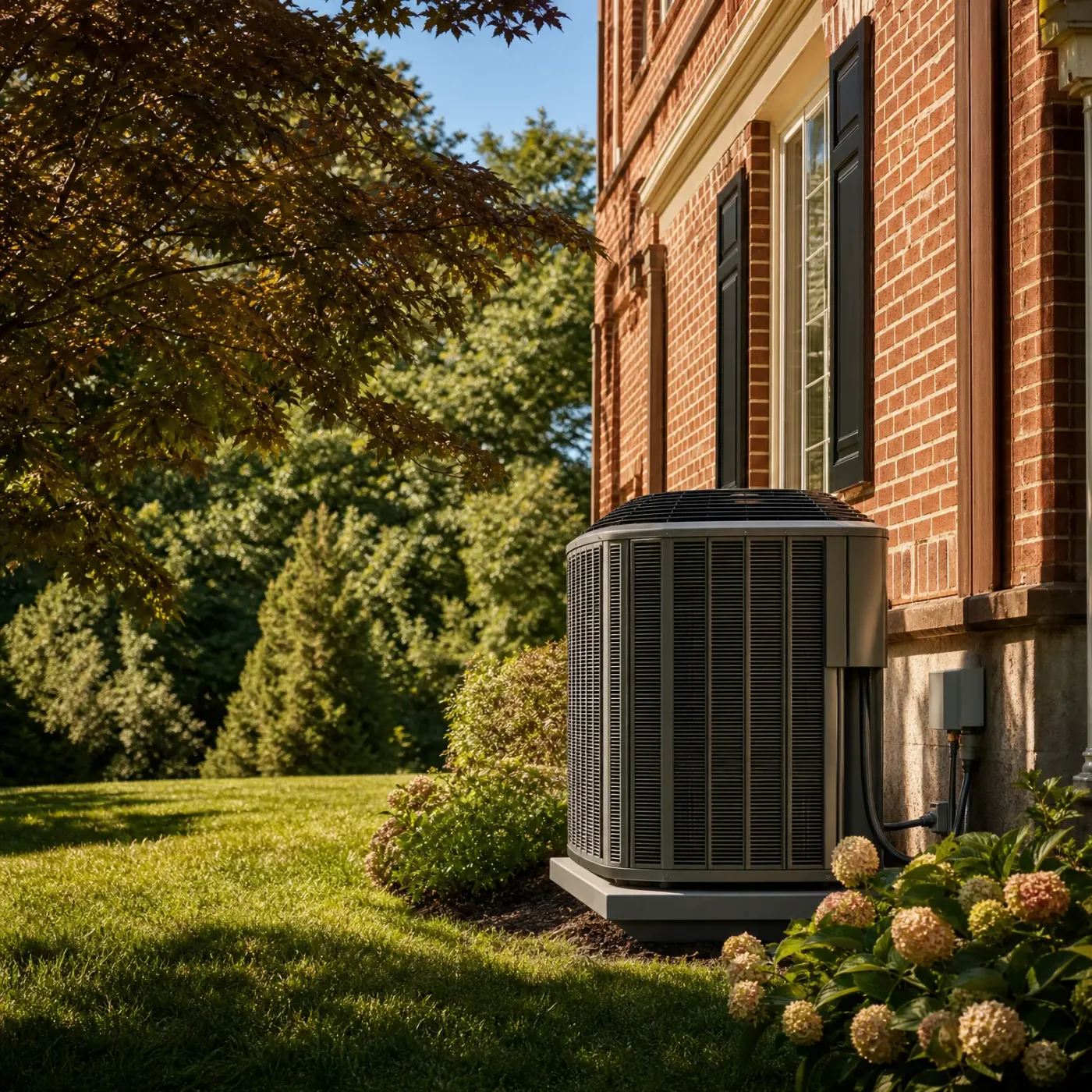
4 months of cooling, June through September
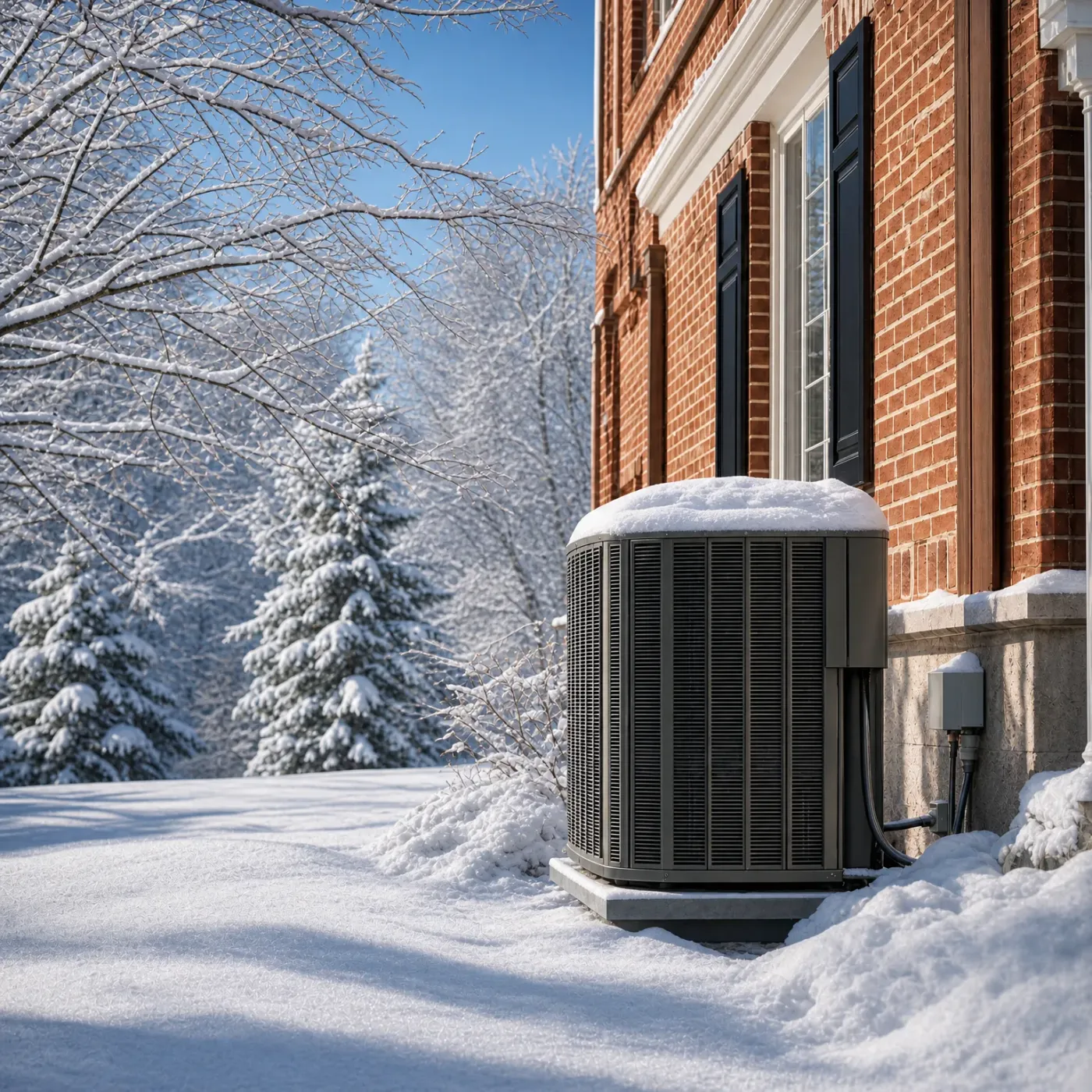
7 months of heat, October through April
Cooling need isn't the same from one end of Maryland to the other. Homes in the southern counties need about 12% more cooling over a year than homes in the northern counties, and the gap gets much wider at the extremes. Homes in Somerset County need about four times the cooling that homes in Garrett County do, which is the lowest cooling need in the state.
Garrett County also has the mildest summers, with afternoon highs averaging 78°F in June, July and August, and it runs its cooling the fewest months of the year anywhere in Maryland. Baltimore runs hotter, averaging 87°F those same months. Montgomery County runs its cooling longer than anywhere else in the state. A system sized right for a home in Garrett County isn't sized right for one in Montgomery County or Baltimore.
Wind is a separate concern from heat, and it doesn't follow the same map. Maryland recorded damaging wind 3,732 times between 2015 and 2024, more than all but a handful of other states. Where the new condenser sits and how it's secured matters here no matter which part of the state the home is in.
What does an AC in Maryland face?
How hot do summer afternoons get?
85°Faverage afternoon high where people live
Alaska66°F
Arizona101°F
How many months does the cooling run?
4 monthsof cooling a year
Alaska0 months
Hawaii12 months
What does electricity cost?
17.86¢per kWh, what homes paid in 2024
North Dakota11.51¢
Hawaii42.86¢
How often do storms hit?
293severe weather events per county from 2015 to 2024
Alaska5
Wyoming1,057
How many homes lost power for a day or more?
11%of homes in 2024
Arizona7%
Maine54%
Questions worth asking before you sign
The size on the nameplate matters more than the brand on it. Ask what load calculation was done on this house, not a guess based on square footage or what the old system was. A condenser too big for the home cools the air fast and shuts off before it pulls the moisture out, so the house feels clammy even at the right temperature. Ask what SEER2 rating the new system carries, since that number tells you efficiency, not size, and a higher one usually means lower electric bills over the life of the system. Ask whether the condenser and the indoor coil are matched, because a mismatched pair won't hit the efficiency either one is rated for on its own. Ask what refrigerant it uses, since older systems and new ones don't share the same type, and that affects what service will look like years from now. Ask about the warranty on the compressor specifically, not just the general parts warranty, since the compressor is the part most likely to fail and the most expensive to replace. And ask who registers that warranty, because on most systems it has to be done soon after install or the coverage shortens.
What the efficiency number actually promises
SEER2 measures how much cooling the system delivers for the electricity it uses, tested under conditions meant to reflect real seasons rather than a single ideal moment. A higher number means the compressor and fan are doing more work per unit of power, which shows up as a lower electric bill as long as everything else about the install is right. That number on the label is a ceiling, not a guarantee. It only holds if the condenser is matched to the right indoor coil, the refrigerant charge is correct, and the ductwork can actually move the air the system is rated to move. An efficient condenser paired with a leaky duct run or the wrong coil will run, but it won't deliver the number on its sticker. Efficiency and capacity are also different things. The rating tells you nothing about whether the unit is the right size for the house, only how well it uses power once it's running. A system can carry a high rating and still be the wrong choice if it's oversized or undersized for the space it's cooling.
The fuel mix here doesn't change how AC gets installed
Electricity heats more homes in Maryland than any other fuel, at 44.1%, with gas close behind at 43.1%. The rest split between fuel oil, kerosene and LP gas. For a central air conditioner, none of that changes how the cooling side goes in. A gas furnace, an oil furnace and an electric furnace can all pair with the same condenser and the same indoor coil. What does change is the electrical panel, since the condenser needs its own dedicated circuit regardless of what heats the house. A home already running electric heat has often already got that capacity worked out, where a home heating with oil or gas may not.
Electricity costs more here than most states, so the system you install decides your bills for years.
Tell us about the job
Takes about a minute. No obligation.
Fill out the form once and licensed Maryland installers contact you with quotes to compare.