
AC Repair in Maryland
Electricity costs homes more in Maryland than in 37 of the other 49 states.
Tell us about the job
Takes about a minute. No obligation.
- 85°Fsummer afternoon high where people live
- 4 monthsof cooling, June through September
- 17.86¢ per kWhwhat homes paid for power in 2024 (kWh means kilowatt hours, the unit on an electric bill)
- 360hail events from 2015 to 2024
Summer here runs long and hot. Four months of 85°F afternoons.
- Southern counties need about 12% more cooling than northern ones
- Summer afternoons average 85°F where people live
- Cooling runs June through September
- 360 hail events from 2015 to 2024
- 3,732 damaging wind events from 2015 to 2024
- 11% of homes lost power a day or more in 2024


Weather here doesn't single out your air conditioner. Maryland sees its share of wind and winter storms, but on hail the state comes in lighter than most of the country. The outages that follow bad weather hit fewer homes here than in most states too. If your AC has stopped cooling or is struggling to keep up, the cause is probably sitting right in the unit, not something the storms did to it.
A repair call here is usually the ordinary kind. A capacitor that's given out. A contactor stuck or pitted. A low refrigerant charge, or a dirty coil choking airflow. These are the parts that wear out from the unit just running its normal hours, summer after summer. Worth checking before you assume the worst. Is the breaker tripped. Is the filter clogged. Is the outdoor unit clear of leaves and grass clippings. Sometimes that's the whole fix.
Four months of work, and the first weeks are when it shows
June is when it starts earning its keep, and June is when a weak part finally gets tested. A capacitor that limped through last September doesn't get any rest over the winter, it just sits there. The first hot stretch is what finds it. Four months isn't long against what some states ask of this machine, but it's enough to run a tired part into the ground if it was already close. Having it looked at in May, before the load hits, is how you find that out before the heat does.
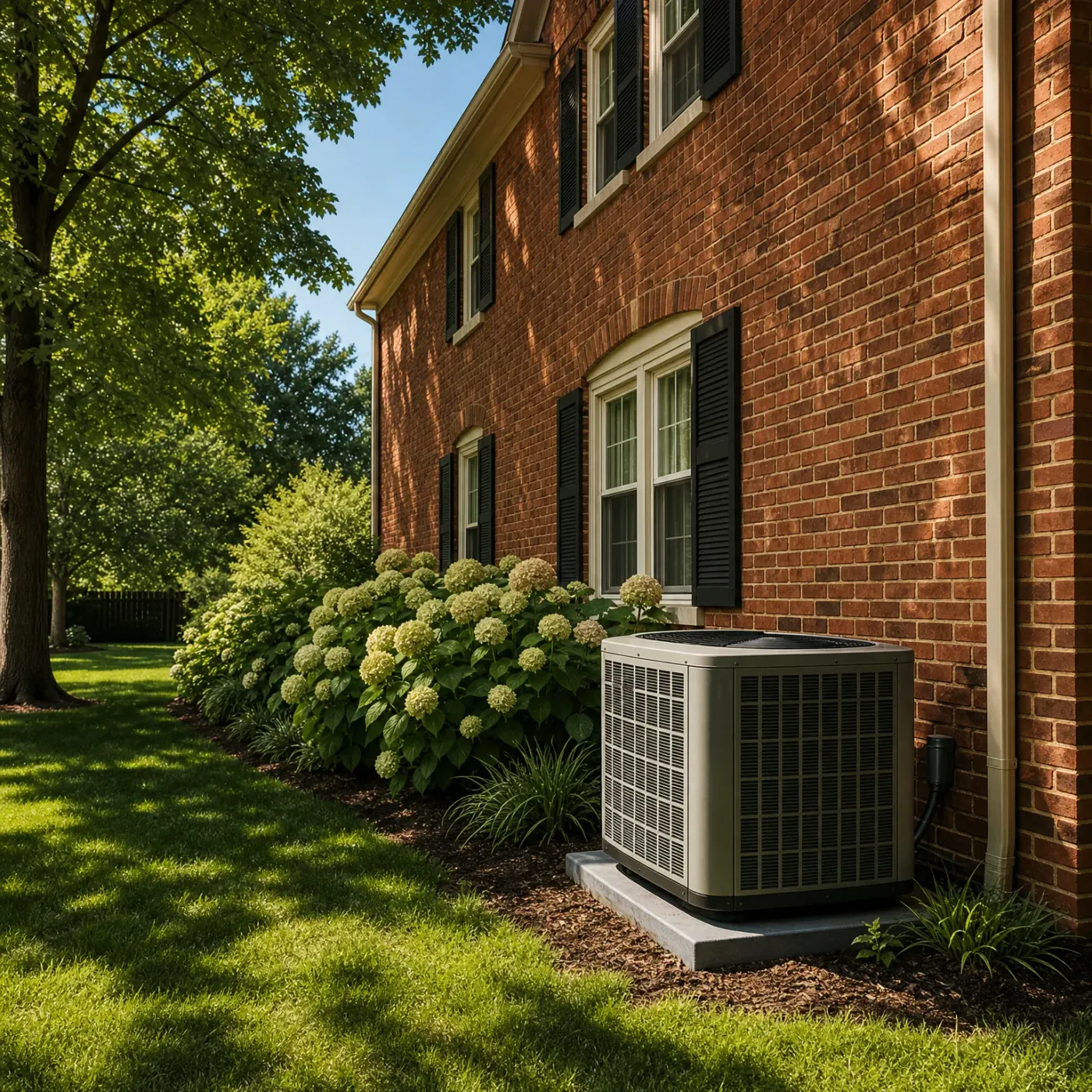
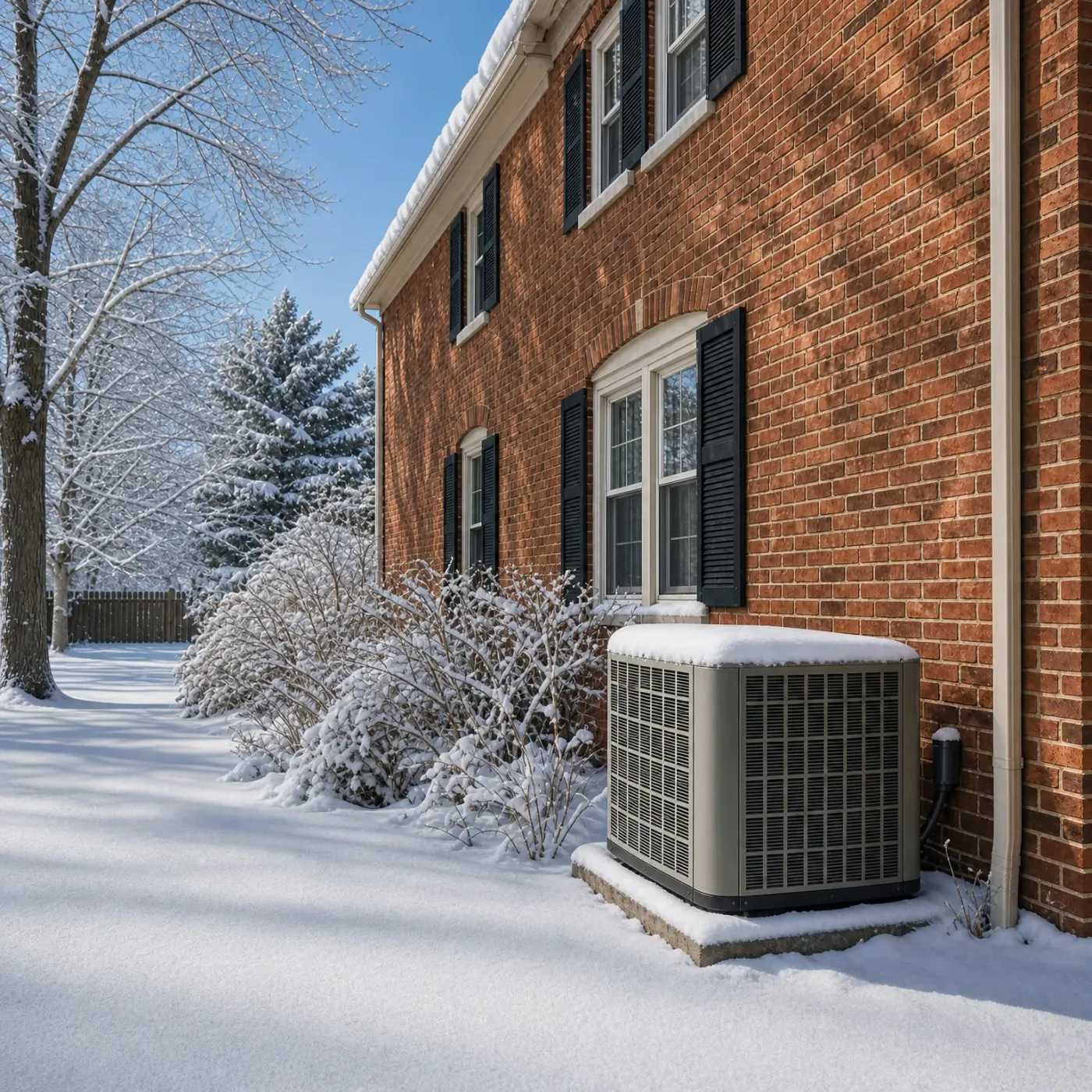
4 months of cooling, June through September
7 months of heat, October through April

Where you live in Maryland changes how hard this machine has been working. Homes across the southern counties need about 12% more cooling over a year than homes up north, and that gap shows up as wear over time, not all at once.
The widest split in the state is between Somerset County and Garrett County. Homes in Somerset need about four times the cooling that homes in Garrett do over a year. A unit in Somerset is putting in years of extra run time that one in Garrett never sees.
Baltimore sits at the hot end too. Summer afternoons there average 87°F, against 78°F in Garrett County. That's the difference between a unit that cycles on and off through the afternoon and one that barely shuts off.
The season length tracks the same pattern. Homes in Montgomery County run cooling about 4 months a year, the most anywhere in the state. Garrett County homes run it about 2. Two extra months a year adds up fast across a unit's life.
If you're in one of the southern counties or anywhere near Baltimore, a system struggling to keep up has likely been working toward this for a while. If you're up in Garrett County or elsewhere in the cooler north, the same symptom has had less heat and fewer hours behind it, so it's worth a second look rather than an assumption.
What does an AC in Maryland face?
How hot do summer afternoons get?
85°Faverage afternoon high where people live
Alaska66°F
Arizona101°F
How many months does the cooling run?
4 monthsof cooling a year
Alaska0 months
Hawaii12 months
What does electricity cost?
17.86¢per kWh, what homes paid in 2024
North Dakota11.51¢
Hawaii42.86¢
How often do storms hit?
293severe weather events per county from 2015 to 2024
Alaska5
Wyoming1,057
How many homes lost power for a day or more?
11%of homes in 2024
Arizona7%
Maine54%
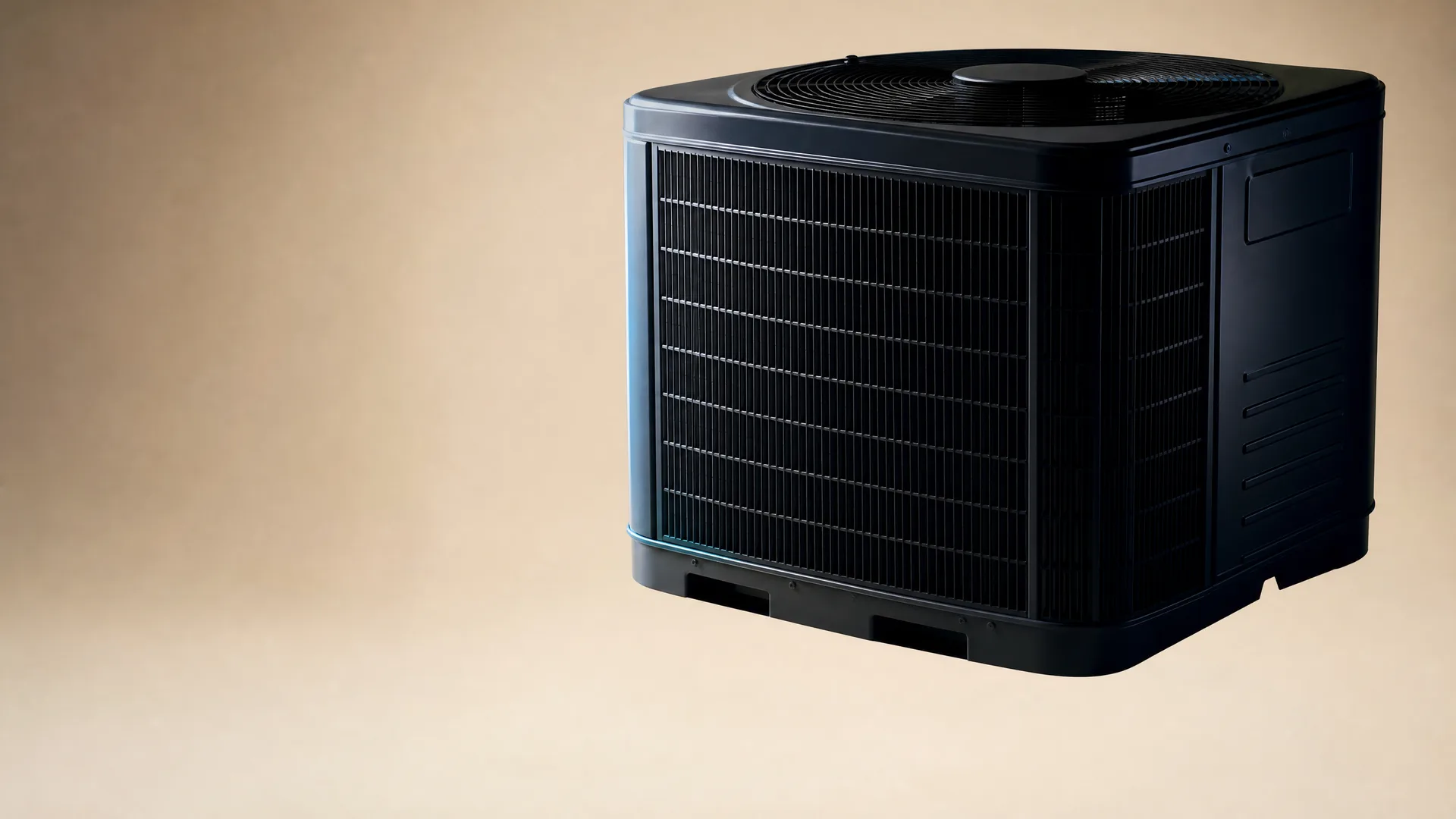
Running this machine isn't cheap here
Electricity in Maryland runs 17.86 cents per kilowatt-hour, more than what homes pay in most other states. A unit low on charge or dragging on a weak capacitor still pulls that power, it just does less with it. That's the part that costs you while it sits unrepaired. The longer a struggling AC runs like this, the more those cents add up for less cooling to show for it.
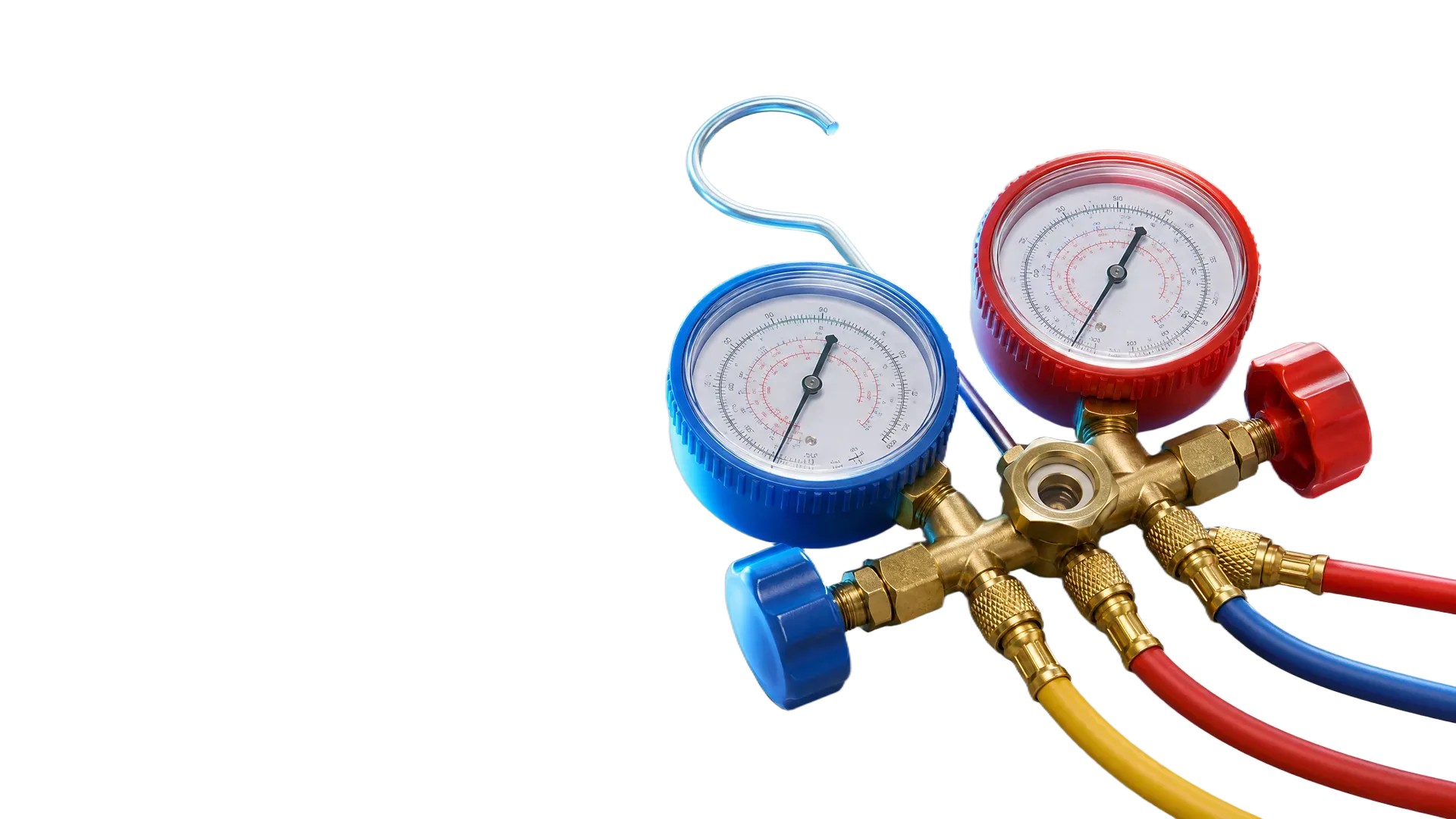
Why air conditioners break down
Most AC failures trace back to a handful of parts that wear out from ordinary use, not from any one bad day of weather. The capacitor gives the compressor and fan motor the jolt they need to start. It only has so many of those jolts in it, and a weak one shows up as a unit that hums but won't start, or a fan that spins slower than it should. The contactor is the switch that sends power to the outdoor unit each time it cycles on. The contacts inside pit and burn a little with every cycle, and eventually it sticks or stops closing at all. A low refrigerant charge means a leak somewhere in the coil or line set. The system is sealed and isn't supposed to lose charge on its own, so adding more without finding the leak just buys a little time. A dirty coil or a clogged filter chokes airflow quietly, and the unit keeps running without actually cooling the house. Fan motors wear out too, and a failing one usually announces itself with a grinding or rattling the unit didn't make before. All of it comes down to hours run, not luck.
What a tech should check first
None of this means skip the basics before you call someone. But if you've checked the breaker, the filter and the outdoor unit and the AC still isn't keeping up, that's not bad luck catching up with you. That's four months a year of 85°F afternoons catching up with a part that was already worn. A tech who knows that will check the capacitor, the contactor and the charge first, because those are the parts actually carrying the load all summer. Getting the right part fixed the first time is what makes the repair hold through the rest of the season.
Four months of 85°F afternoons a year leaves a mark on this unit, and Maryland's summer is just getting started.
Tell us about the job
Takes about a minute. No obligation.
Fill out the form once and a licensed Maryland contractor calls to look at what's actually worn.