
AC Maintenance in Maryland
Electricity costs homes more in Maryland than in 37 of the other 49 states.
Tell us about the job
Takes about a minute. No obligation.
- 85°Fsummer afternoon high where people live
- 4 monthsof cooling, June through September
- 17.86¢ per kWhwhat homes paid for power in 2024 (kWh means kilowatt hours, the unit on an electric bill)
- 360hail events from 2015 to 2024
Electricity costs more here than in most states a neglected AC wastes power all summer
- Southern counties need about 12% more cooling than northern ones
- Summer afternoons average 85°F where people live
- Cooling runs June through September
- 360 hail events from 2015 to 2024
- 3,732 damaging wind events from 2015 to 2024
- 11% of homes lost power a day or more in 2024


May is the month to get your AC looked at here. Cooling starts in June, and that's when the system has to work right from the first hot day. A tune-up after June means it already ran one of its four months with whatever was wrong with it.
Four months of cooling, June through September, is more than what homeowners in 27 other states deal with. That's four months of a dirty coil or a low charge making the unit work harder than it should. A spring check catches that before the first real heat arrives.
May is the check, June is the test
June in Maryland doesn't ease in. The first hot stretch asks the system for everything it's got, and a unit that wasn't checked in May is finding out its problems in real time. Get the coil cleaned and the charge checked before that first week, not after it.
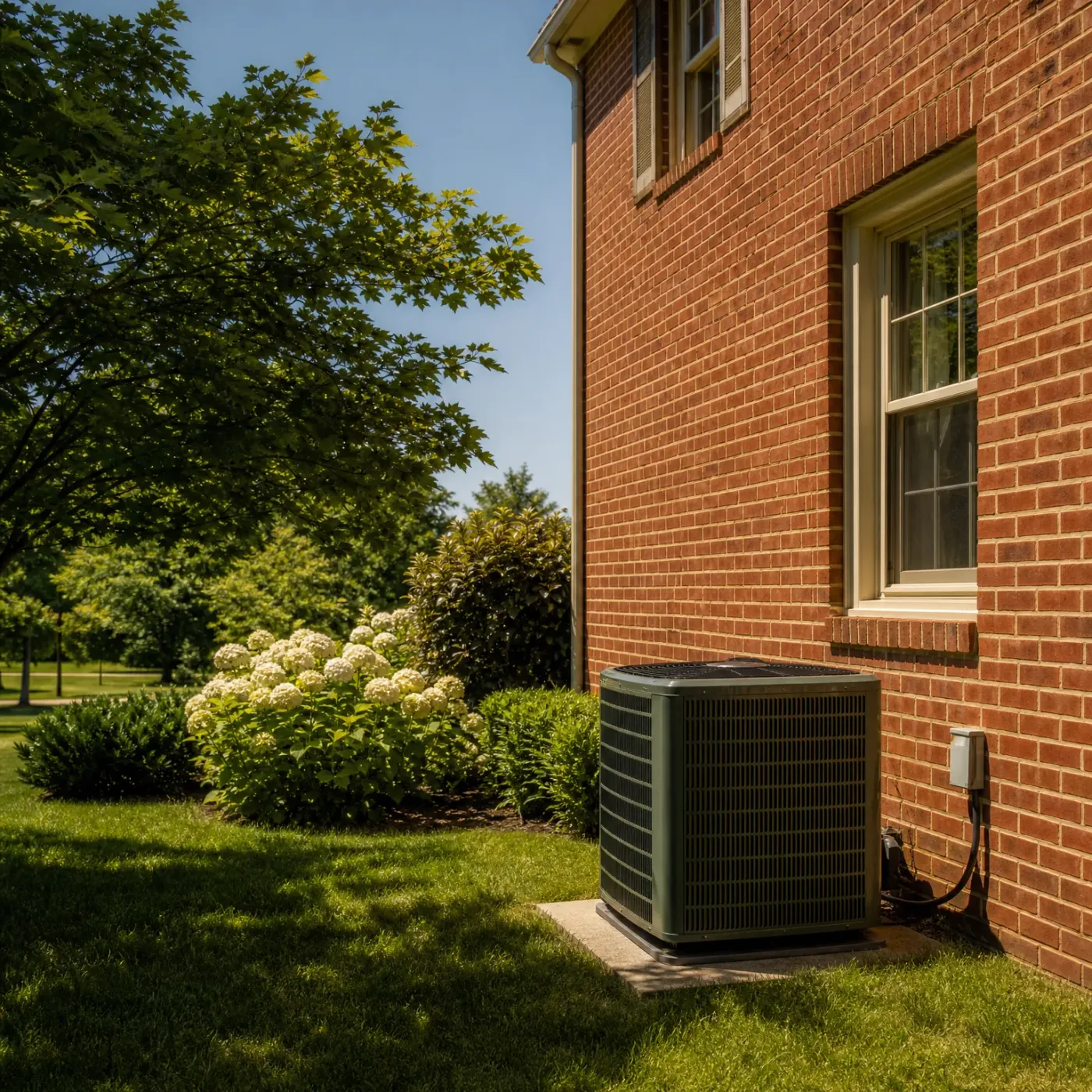
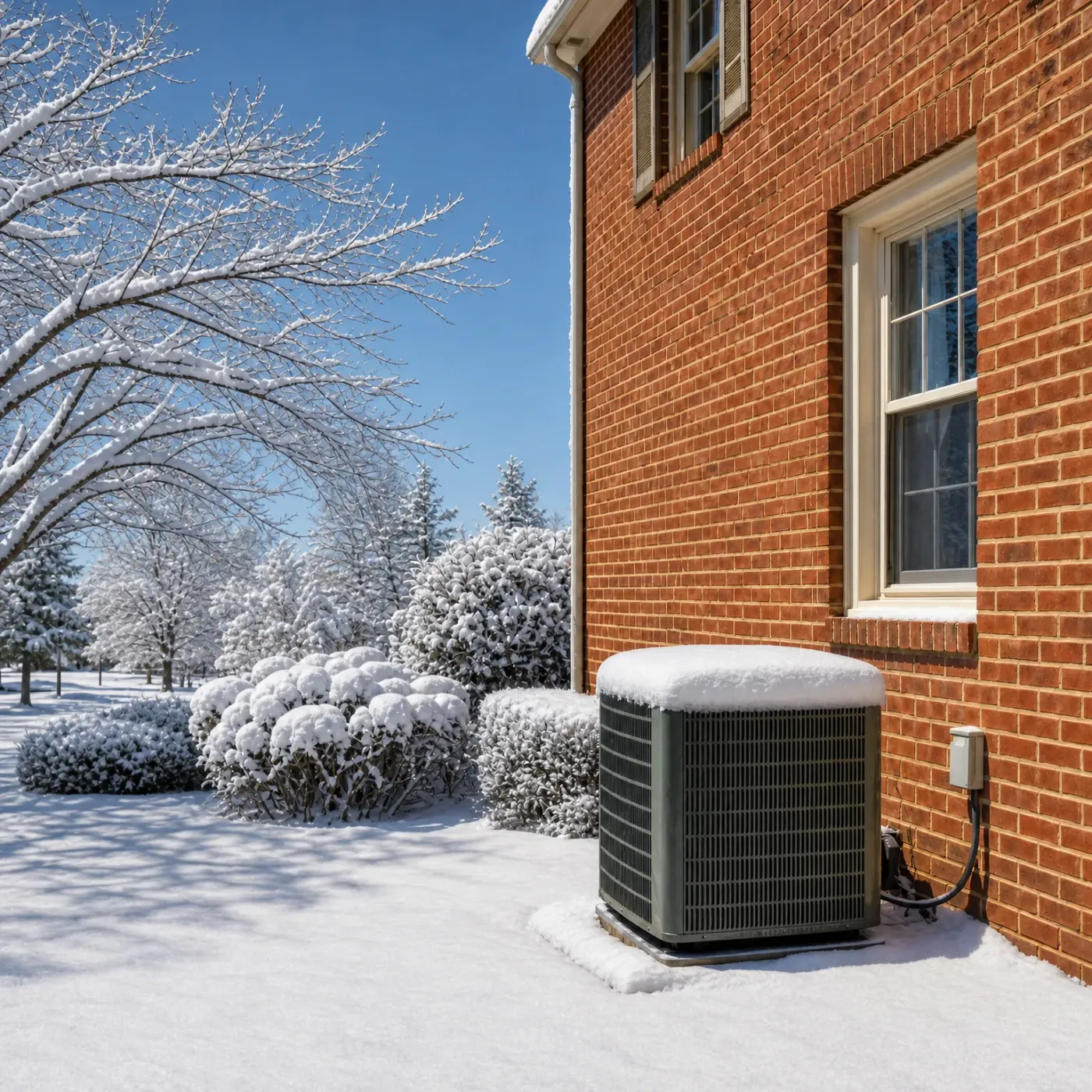
4 months of cooling, June through September
7 months of heat, October through April

Where you live in the state changes how hard this machine works. Homes across the southern counties need about 12% more cooling over a year than homes across the northern counties, and that difference comes down to how many hours the unit is running against the heat.
The widest gap is between Somerset County and Garrett County. Somerset needs about four times the cooling that Garrett does, the lowest cooling need in the state. A unit running that much more has that much more riding on a clean coil and a correct charge.
Summer afternoons follow the same pattern. Baltimore averages 87°F across June, July and August. Garrett County averages 78°F. A system working against 87°F afternoons all summer has less room for a dirty coil or a weak charge than one in Garrett County does.
Montgomery County runs cooling about four months a year, the longest stretch in the state. Garrett County runs it about two. A system in Montgomery is carrying that load for twice as long as one in Garrett, which is twice as long for a small problem to turn into a bigger one.
None of this means a system in Garrett County can skip a look. It means the counties running longer and hotter have more riding on that check before the season starts.
What does an AC in Maryland face?
How hot do summer afternoons get?
85°Faverage afternoon high where people live
Alaska66°F
Arizona101°F
How many months does the cooling run?
4 monthsof cooling a year
Alaska0 months
Hawaii12 months
What does electricity cost?
17.86¢per kWh, what homes paid in 2024
North Dakota11.51¢
Hawaii42.86¢
How often do storms hit?
293severe weather events per county from 2015 to 2024
Alaska5
Wyoming1,057
How many homes lost power for a day or more?
11%of homes in 2024
Arizona7%
Maine54%
A neglected system spends more of those cents just standing still
A dirty coil or a low charge doesn't stop the system, it just makes it push harder for the same cooling, and that shows up on the meter. Maryland homes using AC put about 6.5 million Btu (British thermal units, a measure of heat) of electricity toward cooling in a year, and electricity here costs more than it does in 37 other states. A unit running clean moves that same air for less power. A tune-up doesn't change how much cooling a home needs. It changes how much the system burns providing it.
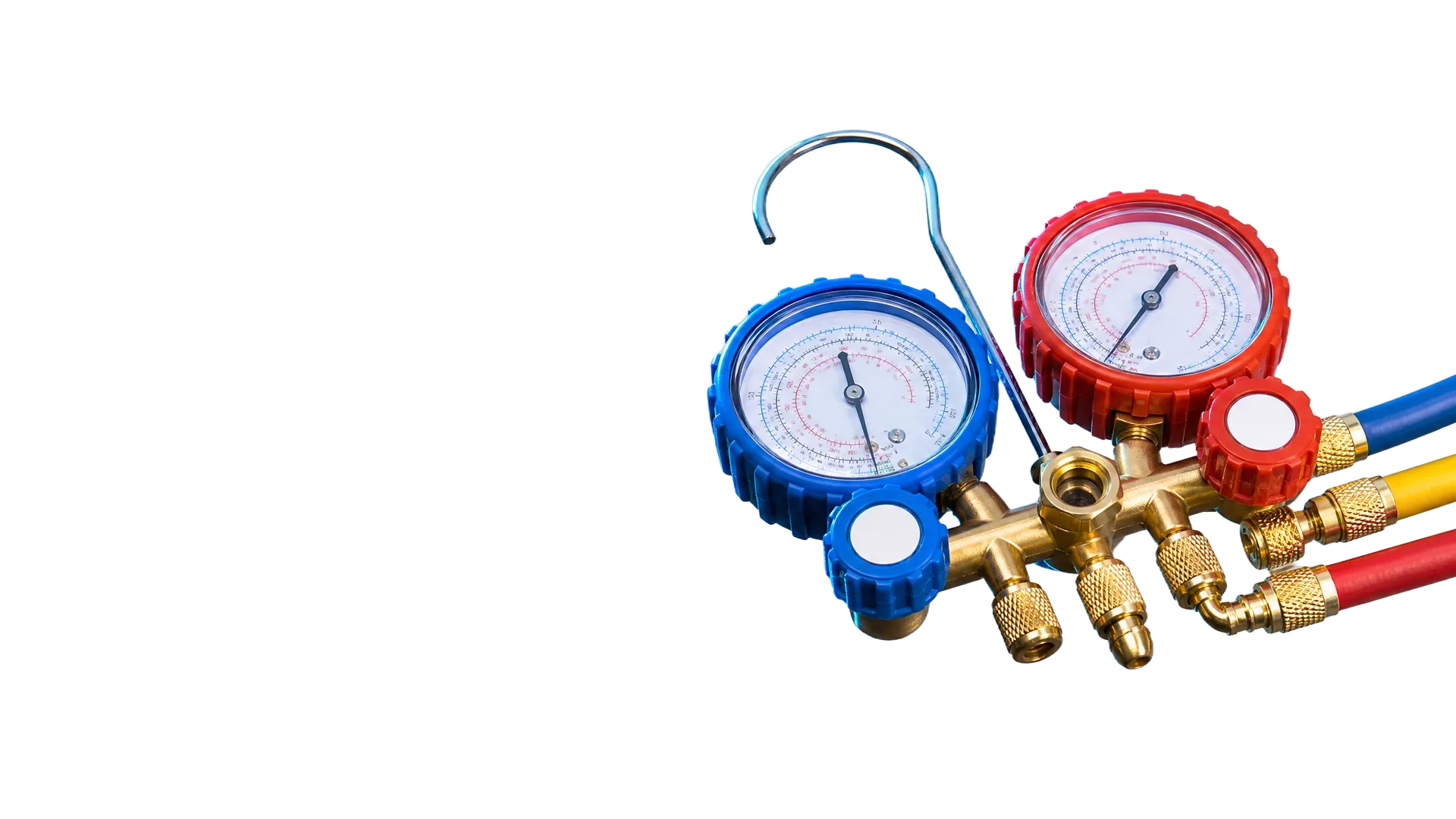
What a tune-up catches before it becomes a failure
A tech starts by checking the refrigerant charge against what the unit calls for. A system can run low on charge and still blow cold air at the vent, which is the part a homeowner can feel and the part that hides the problem. The coil gets checked next. A thin film of dust across the coil fins doesn't look like much from outside the cabinet. It works like a blanket, holding heat against the coil instead of letting it release. The system keeps cooling, and keeps working harder to do it, without any sound that would tell someone something changed. The electrical side gets checked too. The contactor, the capacitor, the connections at the disconnect box all get a look. A capacitor can weaken for weeks before it fails. There's no symptom for that until the day the compressor won't start. None of this shows up by standing in the house feeling the air. It shows up on a gauge, on a meter, or on a coil you can finally see the fins of.
Storms don't change the schedule
Maryland sees real storms, and power doesn't always stay on through them. 11% of Maryland households went at least a day without power in 2024. That argues for a system that's already in good shape when the lights come back, not for checking it more than once a year. The coil collects dust at the same rate whether the power went out once or not at all. Most central air conditioners restart on their own once power returns, so the system picks back up where it left off. What matters is what kind of shape it was in before the storm hit. One check before summer, done well, covers the season no matter what the sky does later.
A neglected AC spends more of Maryland's expensive electricity just to move the same air.
Tell us about the job
Takes about a minute. No obligation.
Fill out the form and a licensed Maryland contractor gets in touch to schedule your tune-up.