A unit that's keeping up
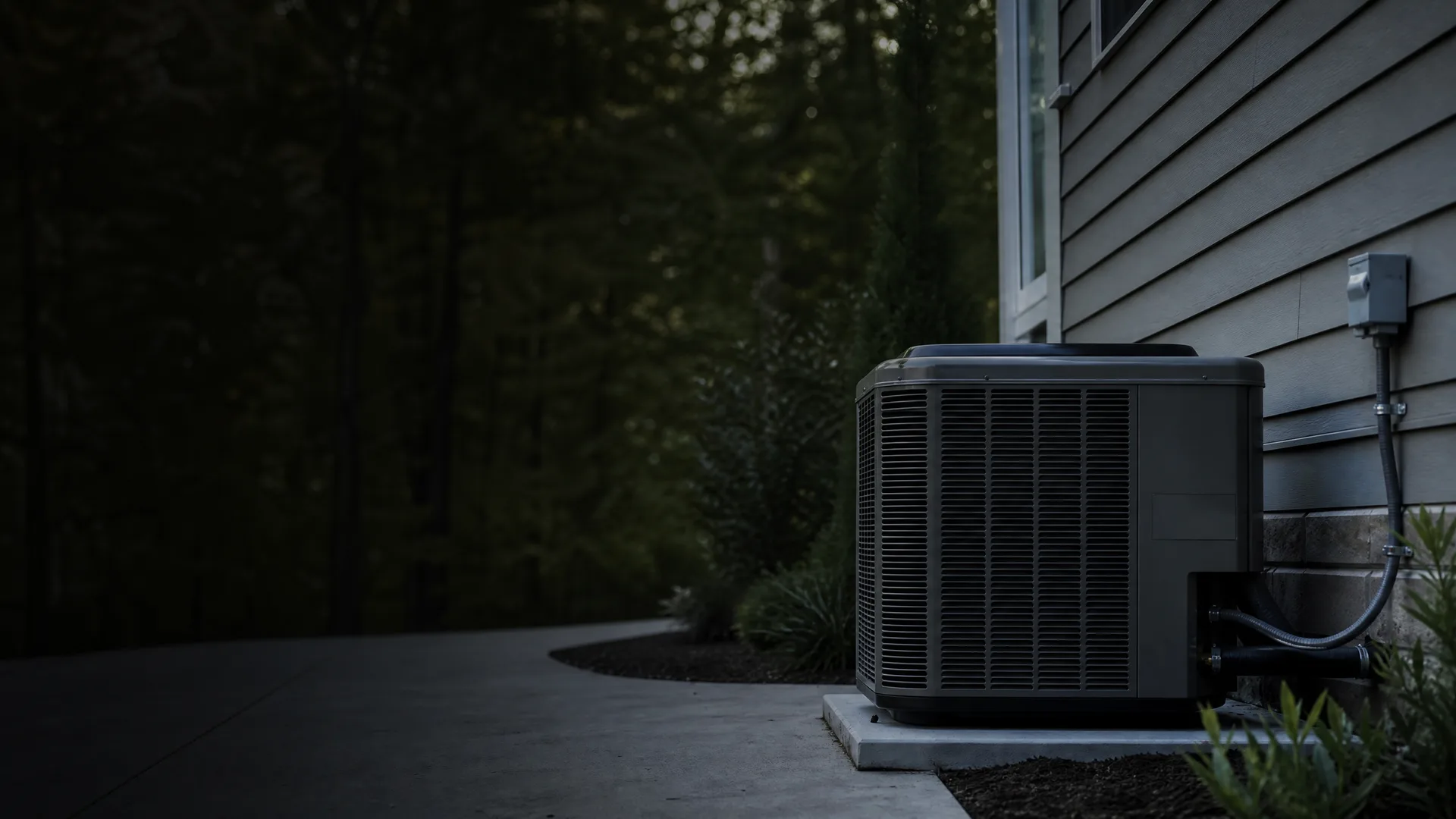
This condenser cycles on, cools the house, and shuts off. The pad is clean, the fan grille is clear, and the disconnect box is wired neat. Nothing here is working harder than it needs to against a Maryland summer.
 Start one form
Skip collecting and comparing quotes for the new air conditioner.
Summers in Maryland run long and sticky, and if you heat with electricity like most homes here, your power bill already carries a lot of weight. A high-efficiency air conditioner changes how much of that weight the AC adds, month after month. Whether it's worth it depends on your house, your current system, and what you're paying now, and that's what the rest of this page walks through.
Getting to that answer usually means getting a contractor to look at your actual setup. On your own, that's calling around, explaining your system and your house to each one, waiting on quotes written up in different formats with different assumptions, then trying to compare them against each other without much to go on.
Submit one request here and a licensed contractor near you in Maryland takes it from there. Someone who installs these systems in homes like yours all summer, who knows which units hold up in this humidity and which ones struggle, and who can tell you straight whether the upgrade pays for itself in your case or not. You're not fielding calls from five different companies trying to win the job. It's one contractor, looking at your situation specifically.
That's the part that usually eats the time: not deciding you want cooler summers or a lower bill, but finding someone who'll give you a straight answer about your own house instead of a generic pitch. Once that's sorted, the rest moves a lot faster.
Below is what actually determines whether a high-efficiency system makes sense for you, and what it doesn't change. Then the button gets you the contractor who can tell you the rest.
You've got a few more summers of sticky Maryland heat ahead, and you're wondering whether paying more upfront for a high-efficiency unit actually pays off, or whether it's just a bigger number on the install quote. With electric heat already pushing your bills up, you want to know if the AC side is worth being picky about too.
A high-efficiency AC uses less electricity to produce the same cooling, and in Maryland that AC runs hard for months at a stretch, often from May through September. The longer and harder it runs, the more a higher SEER2 rating matters, because the efficiency gap between units shows up every one of those months, not just a few. Since most homes here already heat with electricity, your power bill carries weight all year, and a more efficient AC is one of the few places you can cut into that without changing how you live. It won't lower your winter bill, but it takes a real bite out of the stretch when the AC is working the hardest.

This condenser cycles on, cools the house, and shuts off. The pad is clean, the fan grille is clear, and the disconnect box is wired neat. Nothing here is working harder than it needs to against a Maryland summer.

Weeds growing up through the gravel, siding weathered, the cabinet showing its age. An older unit like this is losing efficiency it once had, and on the high humidity days it may run longer to do the same job a newer one does faster.




One installer gets your project, so there's no bidding war over it.
Asking costs nothing, and the choice to hire stays yours.
A standard air conditioner has one gear. The compressor kicks on full blast, cools the house down, and shuts off, then does it again a few minutes later. A high-efficiency unit usually swaps that single-speed compressor for a two-stage or variable-speed one. Most of the time it runs on low, moving less refrigerant, drawing less power, and keeping the house at temperature without the hard on-off cycling. It only ramps up to full capacity on the handful of afternoons a summer where it's actually needed. That SEER2 number on the spec sheet is measuring this, how much cooling you get for the electricity put in, not how big the unit is or how fast it can cool a room.
There's a side effect to running longer at low speed that matters a lot in Maryland. A single-speed unit blasts cold air for a short burst and shuts off before it's pulled much moisture out of the air passing over the coil. A two-stage compressor running continuously at low speed keeps air moving across that coil longer, so more humidity comes out along with the heat. The outdoor condenser coil on these units tends to be physically larger too, which gives the compressor more surface area to dump heat into and less strain doing it. Inside, a variable-speed air handler adjusts how much air it's pushing to match whatever the compressor is doing outside, instead of running one fixed blower speed regardless of the load.



This condenser sits clean on its pad, fan grille clear, line set wrapped and running straight to the disconnect. It cycles on, cools the house, and shuts off. Against a Maryland summer, that's what you want to see, because the unit isn't fighting anything extra to keep up.

Dirt cakes the grille and leaves pile against the base, so the unit has to pull harder to move the same air through. A clogged outdoor coil raises the power bill before anything even breaks. Left like this through another Maryland summer, it's the kind of unit a high-efficiency replacement is worth weighing against.
At 19.53 cents per kilowatt-hour, every hour your AC runs shows up clearly on the bill. A unit that uses less power to produce the same cooling keeps more of that rate from turning into cost, summer after summer.
EIA-861 2025 statewide residential average
A contractor sizes the unit to your home's cooling load.
The compressor ramps to a low stage for most run time.
A variable-speed air handler moves air to match that stage.
The coil pulls heat and humidity out of the air longer, at lower speed.
A high-efficiency AC costs more to install, and in Maryland, where summer runs long and power carries a high rate, that extra cost goes to work every time the unit cycles on. Whether it's worth it for you comes down to how long you'll own the system and what shape the rest of it is in, and that's worth working out with someone before you sign for either option. A contractor who installs and services these units around Maryland all summer knows which ones hold up against this kind of heat and which parts tend to give out first on an older system. You'll hear from one local contractor, not a handful competing for the job, so there's one conversation to have about your house and what's actually running in it now.
The pro who reaches out is licensed in Maryland.