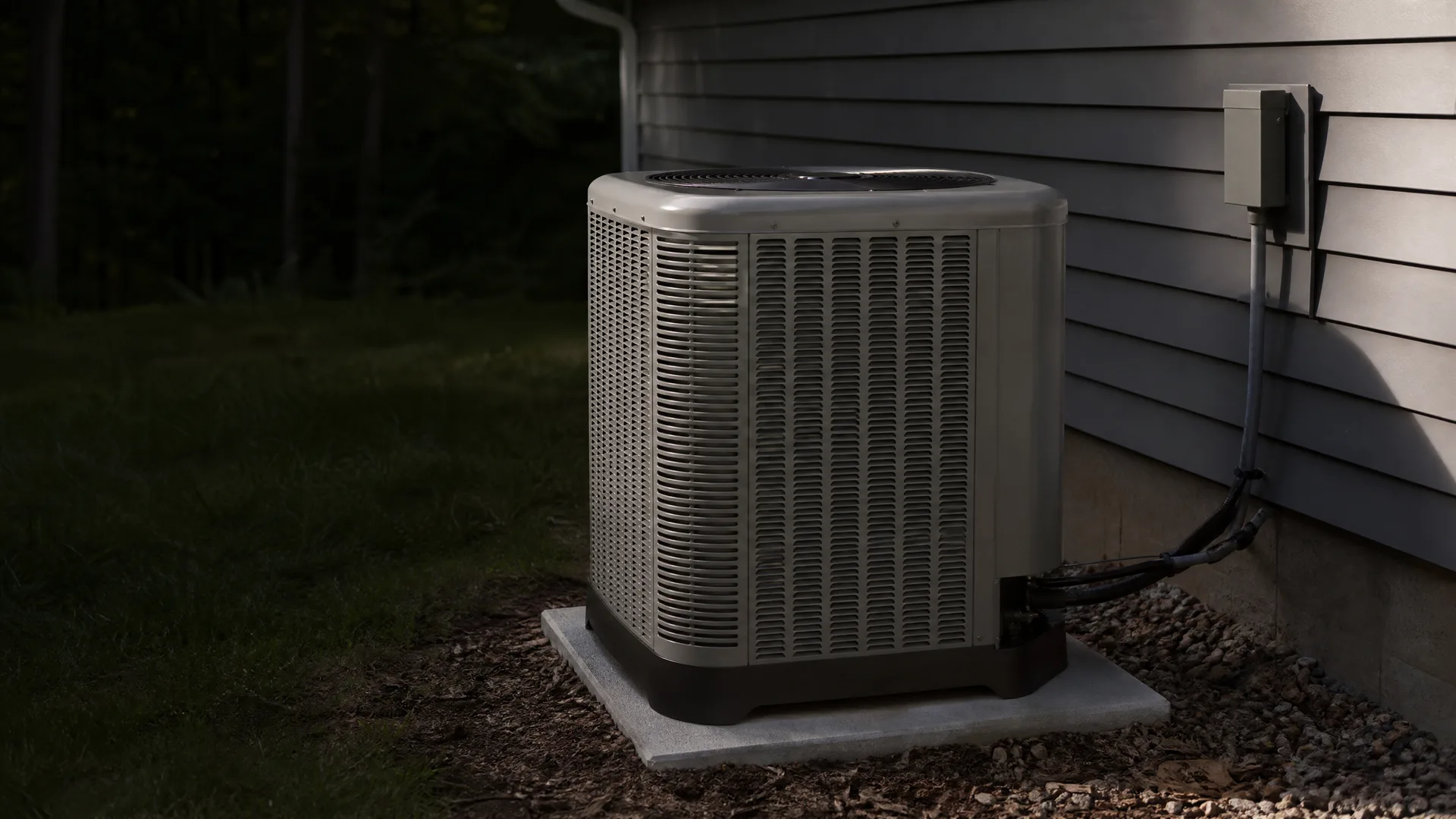
Send the form, and lining up the air conditioner tune-up stops being yours to chase.
A one-inch filter in a Maryland home earns its keep every month from June through September. The air is thick outside, the system runs long hours to pull the moisture down, and anything restricting the airflow makes it work harder to do that. A dirty filter doesn't just lower air quality. It makes the coil work against resistance, and that shows up on the electric bill before it shows up as a breakdown.
Most homes here heat with electric systems too, so the same filter is often doing double duty most of the year. That's more reason to check it on a schedule instead of waiting until it looks bad in the light.
Checking it is simple. Deciding what's actually going on with your system, your ductwork, your coil, when something seems off even with a clean filter, that's a different question, and not one you can answer by staring at a pleated square of fiberglass.
If you've checked the filter, changed it, and your AC still isn't keeping up with a Maryland summer, or your electric bill keeps climbing despite doing the basics, that's worth a second set of eyes. Rather than spending an afternoon searching for someone licensed nearby, calling a few numbers, explaining the same thing three times, and weighing quotes against each other, you can send one form here. Once it's in, the legwork of finding someone qualified is off your plate. Someone who works on systems like yours, in homes like yours, takes it from there.
The muggy months don't leave much room for a system that's working harder than it should. Getting the filter habit right is the easy part. Getting a straight answer about the rest of it, without doing all the calling around yourself, is what the form below is for.
Change a one-inch filter every 30 to 60 days, and check it monthly from June through September, when the air conditioner runs longest. A thicker filter, four or five inches, can usually go three to six months between changes, so check what size yours takes before you buy more. The reason to stay on top of it in Maryland comes down to how hard the system works here. Humid air means long run times to pull the moisture down, and a filter clogged with dust and pollen forces the blower to push air through a smaller opening to do it. That strain shows up on the electric bill, since most homes here heat and cool with electricity and power costs more than in a lot of other states. It also shows up in the house, as weaker airflow from the vents and a system that takes longer to cool each room. A filter change is cheap. Letting it go is not.
Before you get your air conditioner maintenanceAfter you get your air conditioner maintenance
Airflow is the whole story. The blower pulls air through the filter, across the evaporator coil, and back out through the ducts. When the filter clogs, less air gets through, and the coil can't shed the heat it's pulling out of your house fast enough. That coil gets cold enough to freeze, even on a muggy afternoon, and once ice forms it blocks airflow even further. At that point the system isn't cooling, it's just running. Someone has to shut it down and wait for the ice to melt before it can work again. The blower motor feels this too. It's pushing against more resistance than it's built for, month after month, and that wear adds up. Moisture control is usually the first thing to slip, since a coil that isn't moving enough air can't condense much water out of it either. Some rooms farthest from the air handler start falling behind the rest of the house. And since the same filter sits in the system all year, a neglected one works against you in January too.
What a Dirty Filter Does
A clogged filter starves the evaporator coil of airflow, and the coil can ice over even when the house feels warm.
Once ice builds on the coil, the system often blows warm air and the real fix is to shut it off and let it thaw.
The blower motor pulls harder to push air through a dirty filter, and that extra strain shortens its working life.
Humidity control suffers first, since a starved coil can't pull enough moisture out of the thick Maryland air.
Return air grilles throughout the house pull harder on a clogged filter, which is why some rooms stop cooling evenly.
Electric heat strips or heat pumps used in winter depend on the same filter, so a neglected one costs you twice a year.
A filter you keep forgetting about is an easy thing to hand off along with the rest of the system's upkeep. Maryland summers push your air conditioner hard for months at a time, and electricity here isn't cheap, so a filter running past its time costs you on the bill every single day it sits there. Checking it on a schedule is one more thing competing with everything else on your list, and most people don't notice until the house isn't cooling right. Instead of hunting down a contractor, calling a few, explaining the same thing each time, and weighing one quote against another, you send the request once. A licensed contractor who does this kind of maintenance takes it from there, and the filter stops being something you have to remember. With what Maryland summers ask of your system, that's one less thing on you.
Why the filter size matters
Check the frame edge or the old filter box for the size before you buy more. A one-inch filter sits close to the blower and loads up fast once pollen or cut grass gets into the return. A four or five inch media filter has more surface area to catch the same dust, which is why it lasts so much longer between changes. Buying the wrong thickness means it won't seat right in the slot, and a filter that doesn't seal lets air sneak around the edges instead of through it.
What a clean filter protects
The evaporator coil sits right behind the filter, and it depends on steady airflow to pull moisture out of the air moving through it. When the filter is clogged, less air reaches the coil, and the coil can run too cold for the air passing over it. That's how ice forms on the coil even on a hot day. A clean filter keeps air moving at the rate the system was built around, so the coil does its job and the blower motor isn't working against a restriction it wasn't designed for.
Summer air in Maryland holds a lot of moisture. The average dew point across June, July and August runs 64°F, based on NOAA climate normals for the state, and anything above 60°F feels sticky on your skin. Your air conditioner has to pull that moisture out of the air as well as cool it, which means longer run times than the thermostat setting alone would suggest. A filter loaded with dust and pollen cuts the airflow that process depends on, so the system stretches those runs out even further trying to keep up. You'll notice it as a house that still feels damp even when the temperature reads fine, or a system that seems to run most of the afternoon without catching up.
NASA POWER T2MDEW county cells weighted by homes
Why does your house feel muggy even with the AC on
You bump the thermostat down and the air still feels wet when you walk in from outside. The vents are blowing, but it's not cold air, more lukewarm, and it takes longer than it used to for a room to feel right. Sometimes you catch a musty smell near the return grille. That's a filter past its time, loaded with enough pollen and dust that air can barely get through it. The system is still running, maybe even running most of the evening, but it's not moving enough air to pull the moisture out of your house. Left long enough, that strain is what sends the coil into a freeze and the compressor into a harder life than it should have.
Running clean
Air moves through the grille without a fight, the condenser fan turns freely, and the system sheds the heat it pulled out of your house. A filter changed on schedule keeps it working this way through the long Maryland summer.
Clogged and weathered
Dirt and pollen build up on the coil behind a filter left too long, and airflow drops on both sides of the system. The unit runs longer to do less, and in a Maryland summer that shows up fast on the electric bill.
Power costs 19.53 cents per kilowatt-hour statewide
At just over 19 cents a kilowatt-hour, every extra hour your air conditioner runs to push through a clogged filter shows up on the bill. A filter changed on schedule keeps the system from working harder than it has to, which matters more here than in states where power costs less.
EIA-861 2025 statewide residential average
Late May, and the cottonwoods along the side yard have let go. You walk past the condenser to grab the hose and stop. The fins are gray white with fluff, packed in tight across the whole face of the unit, the way snow catches in a screen door. It wasn't like this a week ago. The unit is running, you can hear the fan, but the air coming off it feels weak, barely moving past your hand. You pull a few clumps free with your fingers and more is already pressed in behind it, stuck to the metal with the dew. Inside, the thermostat still reads three degrees above where you set it.
Check it once a month, change it before it clogs
A one-inch filter needs eyes on it monthly from June through September, and a change every 30 to 60 days. A four or five inch filter buys you more room, three to six months, but it still needs a look partway through a Maryland summer. That's the whole answer. Everything else, the iced coil, the warm air at the vents, the higher bill, traces back to this one habit.
Knowing the schedule is one thing. Staying on it while you're also dealing with a system that's already struggling is another. If your air conditioner is blowing warm or running longer than it should, you don't have to spend an evening searching for a contractor, calling around to see who answers, explaining the same problem three or four times, then sitting with a stack of quotes trying to work out who's fair. Send the form and that part is off your plate.