

Running the way it should
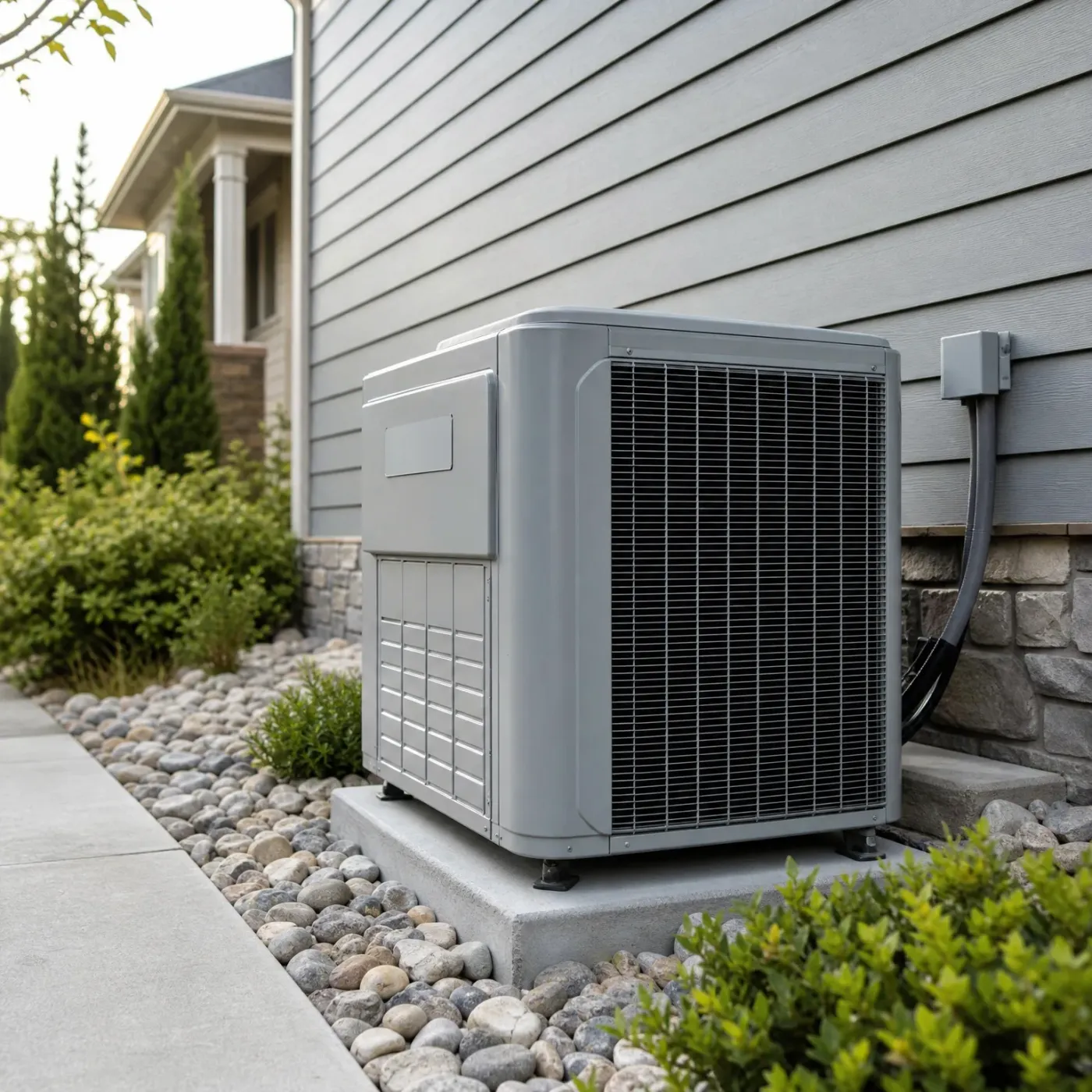
This is a heat pump cycling normally, the coil clear, the fan free to move air. It pulls heat from the outside air, melts off what little frost it collects, and goes back to work without you noticing it happened.
A heat pump caked in ice doesn't tell you much by itself. It could be a stuck defrost board, a low charge, a fan motor that's given out, or something simpler. Figuring out which one means getting someone out to look at it, and that's usually where the trouble starts. You call a few companies, explain what you're seeing to whoever picks up, wait to hear back, then do it again with the next one so you've got something to compare. Meanwhile the system in your Baltimore home sits there, ice building on the coil. Submit this request once and it goes to a contractor local to the area who works on heat pumps all winter and knows what tends to cause this. Just the one call, not five competing for your business. The part that takes up your afternoon, tracking someone down, is the part this page handles.
A frozen heat pump in winter usually means the defrost cycle isn't doing its job. Every heat pump grows a layer of frost in cold weather, and the unit is built to switch into defrost mode every so often, melt that frost off, then go back to heating. When that cycle fails, ice keeps building instead of clearing, and it can cover the whole outdoor unit within a day. Baltimore winters bring enough cold stretches that this is a common call, especially during a run of nights near or below freezing. A failed defrost board, a bad sensor, or a fan motor that's stopped turning can all cause it. Running the system while it's iced over can strain the compressor, so it's worth shutting it off and getting it looked at rather than waiting to see if it thaws on its own.
Winter nights average 28°F
Overnight lows averaging 28°F mean your unit is cycling through defrost constantly, and any weak part in that cycle shows up fast.
Heat runs October through April
Seven months of heat means your heat pump is the thing keeping the house warm most of the year, so a frozen unit isn't a small inconvenience.
Cooling runs June through September
Four months of cooling means this same equipment has to switch modes and keep working come summer, so a problem left alone now follows you into June.
NOAA nClimDiv 1991-2020
You will see frost on the outdoor unit on a cold morning in Baltimore, and that by itself is not a problem. Heat pumps pull warmth out of outside air, and in winter that process leaves moisture on the coil that turns to frost. The defrost cycle is there to clear it off every so often. A thin, even layer that disappears within an hour or two is the system doing what it is supposed to do. If you catch it mid-defrost, you might even see steam coming off the unit, which just means the coil is warming back up to melt the ice.
Ice that covers the coil, builds up over the fan, or stays put from one day to the next is a different thing. That tells you the defrost cycle either isn't starting or isn't finishing, and the longer it runs that way the harder the unit has to work to move any heat at all. Left alone through a Baltimore winter, that usually ends with the system unable to heat your house at all, or a compressor working against ice that was never supposed to be there. A licensed contractor who works on heat pumps through the winter here can tell you in one visit which part of the defrost cycle quit and get the unit back to clearing itself the way it's built to.




The pro who gets in touch is licensed in Maryland and works in Baltimore.
Skip calling shops to ask who repairs heat pumps in Baltimore.
You only hire the pro if you want to.
Look at the outdoor unit. If it's covered in a solid white or gray shell, not just a dusting of frost, and it's been that way more than an hour or two, the defrost cycle isn't working. You might hear the unit running but feel barely any warm air from your vents, or notice it's blowing cold. Sometimes there's a burnt smell near the air handler, which points to the system straining to keep up. Left alone through a cold snap, ice can build around the fan blades and coil until the compressor is working against a block of ice instead of air, and that's how a frozen coil turns into a failed compressor.

The defrost board reads a sensor on the outdoor coil and a timer, then decides when to reverse the system and run a brief heating cycle to melt the frost off. If the sensor reads wrong or the board itself fails, the unit either never gets the signal to defrost or never gets the signal to stop, and either one ends with ice building up with nothing to shut it off.

The outdoor fan pulls air across the coil, and that airflow is part of what keeps frost from building past a thin layer in the first place. A motor that's slowing down or has quit moves less air or none, so the coil gets colder than it should and frost forms faster than the defrost cycle can clear it, even if the board and sensor are both working fine.
You walk outside, catch the unit mid-cycle, and feel cold air pushing through a vent that's supposed to be heating your house. It sounds like a malfunction, especially on a night when it's already cold in Baltimore and you need the heat. Most people assume something just broke. Before you call anyone, it helps to know whether this is the system doing what it's built to do or actually failing.
During defrost, the heat pump reverses itself and runs like an air conditioner for a few minutes to send warm refrigerant through the outdoor coil and melt the frost off. That means the indoor side loses its heat source for that stretch, and the air coming through your vents runs cold. A defrost cycle like this usually runs somewhere around ten minutes before the system switches back to heating. If you feel cold air for a few minutes on a winter night, that's the defrost board doing its job. If it runs long past that, or the outdoor unit is still iced over afterward, the board or sensor behind the cycle likely isn't working right.
Frost builds on the outdoor coil as the unit pulls heat from cold air
A sensor on the coil tells the defrost board ice has formed
The board reverses the reversing valve into cooling mode briefly
The outdoor fan shuts off so heat isn't lost outside
At 20.22 cents per kilowatt-hour, running a stuck heat pump through its backup heat strips instead of a working defrost cycle adds up fast on your bill. A board or sensor that's failing makes the system lean on that backup heat far more than it should.
EIA-861 2025

This is a heat pump cycling normally, the coil clear, the fan free to move air. It pulls heat from the outside air, melts off what little frost it collects, and goes back to work without you noticing it happened.

Years of grime on the cabinet and coil make it harder for the unit to shed heat and recover from a defrost cycle. If yours looks like this and keeps icing over, a local contractor who works on heat pumps all winter can tell you whether it's the buildup, a failing part, or both.

Ice on the unit isn't the problem by itself. It's the sign. A heat pump that can't clear its own coil has a defrost board, a sensor, a reversing valve or a fan motor that isn't doing its job, and running it that way through a Baltimore winter just leans harder on backup heat strips until a technician gets out to the pad.
You could spend the evening calling around, describing the ice buildup to one company after another, and sorting through what each one quotes you for a visit. Or you could put in one request and have a local contractor who works on heat pumps all winter, the kind who's seen this exact board fail before, come look at yours. You already know what you saw on the unit. What happens next is a diagnosis, not more guessing.

A licensed pro who works in Baltimore gets your request.