




Two white multi-story colonial houses with lit windows and black shutters photographed at night, fronted by a stone wall.

Heat Pump Repair in Annapolis, MD

Tell us about the job

Takes about a minute. No obligation.

RepairHeat PumpAnne Arundel County, MD
Step 1 of 2

What ZIP code is the job in?

Heat pumps in Annapolis run heat from October through April and switch over to cooling in June. Most repair calls come in right at the start of one of those, in September or October, or in May when the system first has to work hard after sitting idle. A part that was already marginal gets found out the first cold morning or the first warm stretch, not in the middle of the season when the load has been steady for weeks. If your heat pump is acting up right as the weather turns, that timing is a clue, not a coincidence.

7 months
October through April, your system heats
4 months
June through September, it cools
29°F
the average winter night it heats against
86°F
the average summer afternoon it cools against
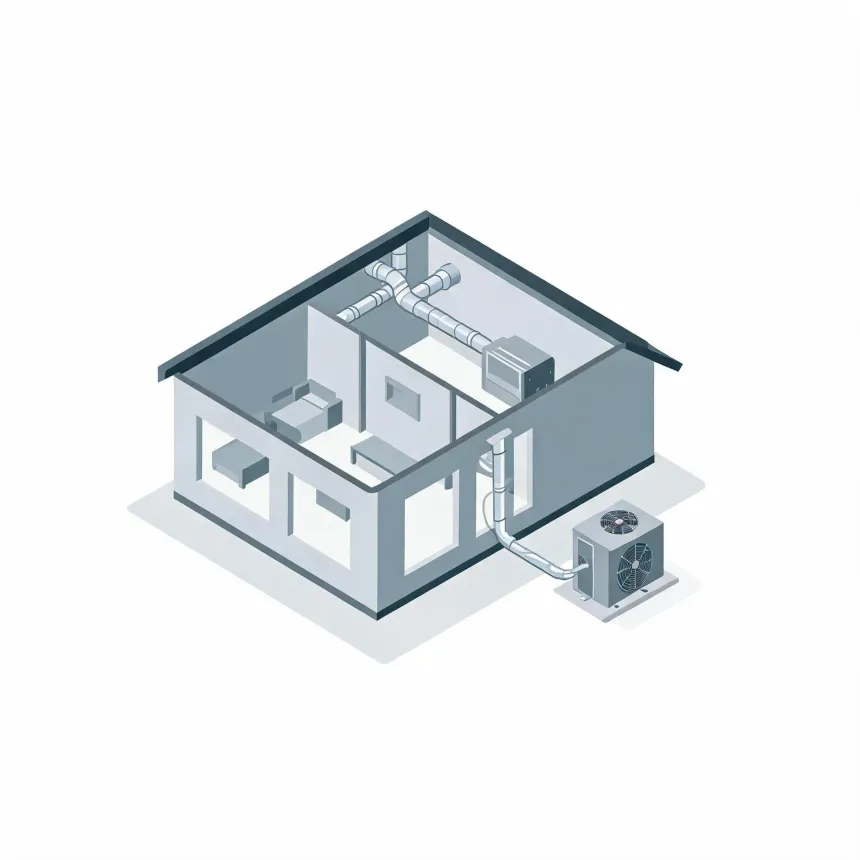
Isometric illustration of a cutaway house showing interior rooms, ceiling ductwork and an air handler, connected by lines to an outdoor condenser unit on a pad beside the building.
Your system heats October through April and cools June through September.

NOAA nClimDiv, 1991–2020 normals

Anne Arundel County is zone 4A, mixed and humid, which asks real work of a heat pump both summer and winter.

A heat pump that runs hard both seasons wears the usual way, so the usual parts are the first place to look.

A system pulling extra power like that is worth fixing now, not next month

Power costs 17.86 cents a kWh statewide
248 damaging wind events from 2015 to 2024
22 hail events from 2015 to 2024

Maryland electricity ran 17.86 cents per kilowatthour in 2024, on the high side for the country. A heat pump that's struggling, low on charge, a weak contactor, a coil caked with dirt, pulls more power to do the same job, or runs longer to get there. You pay for that every month it goes unfixed, not just on the day it finally quits. Waiting doesn't save you the repair. It just adds the running cost on top of it.

Half the homes here were built in 1983 or later. If yours is one of them, your heat pump likely has years left in it.

Half the homes in Anne Arundel County were built in 1983 or later. A system that came with a newer house usually hasn't reached the age where replacement makes more sense than repair. One failing part doesn't mean the unit is done. It means something specific needs attention.

Find a contractor
A gray heat pump outdoor unit mounted on a concrete pad next to the stone-accented exterior wall of a house.

Know the age, then make the call

If your heat pump came with the house, check the installation date on the air handler or outdoor unit before you assume the worst. A single bad capacitor or a stuck reversing valve is a repair call either way, but knowing the age helps the technician tell you straight whether it's worth fixing. Most calls on a newer system end with a part swapped, not a system replaced.

A refrigerant leak doesn't hold steady

A heat pump low on charge will keep running if you let it, but the compressor is pumping refrigerant mixed with oil that isn't getting back where it needs to go. Keep it running and the compressor wears on that starved lubrication. A leak that started small and bought you a few weeks can end with a compressor that needs replacing instead of a line that needs patching.
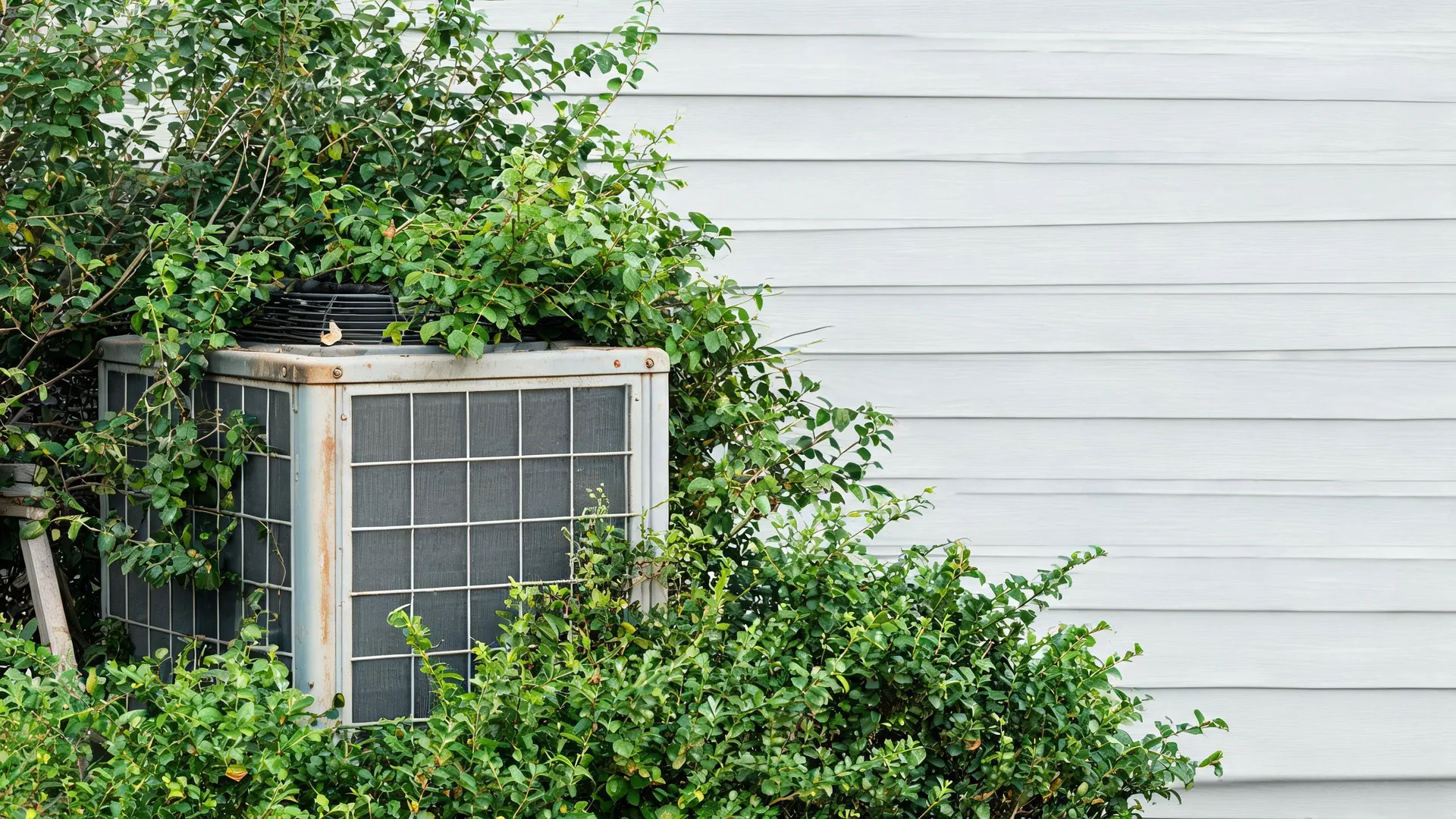
A struggling system calls for help it doesn't need

When a contactor is pitting or a capacitor is weakening, the system can't reach the temperature it's asking for, so it just keeps calling for more. The blower keeps moving air, the outdoor unit keeps cycling, and nothing shuts off to let the weak part rest. The strain lands back on the same component that was already going, and it tends to fail completely instead of just underperforming.

Most repair calls start with something the homeowner noticed, not something they diagnosed. Warm air blowing when the thermostat is set to heat, usually from a reversing valve stuck in the wrong position. A unit that runs constantly and never seems to catch up, which points at low charge or a failing compressor. Ice building up on the outdoor coil that doesn't clear during the defrost cycle. Short cycling, where the system shuts off and restarts every few minutes instead of running a full cycle. A clicking or humming outdoor unit that won't start, often a bad capacitor or a failed contactor. Any of these is worth a call before the part it's straining takes the rest of the system down with it.

A repair makes sense when one part failed and the rest of the system is sound. A capacitor, a contactor, a reversing valve, a fan motor, these wear out on their own schedule and swapping one out brings the whole unit back to normal. Replacement starts to make sense when the compressor itself is failing, since that's the part that moves refrigerant and does the actual work of heating and cooling, and a new compressor on an old unit often costs close to a new system. It also makes sense when repairs keep stacking up, one thing fixed this month and another next season, because that pattern usually means the unit is wearing out generally rather than suffering one bad break. A technician who's looked at the compressor, the coil and the refrigerant circuit can tell you which situation you're in. That's a different answer than guessing from how old the unit sounds or how much the last repair cost.