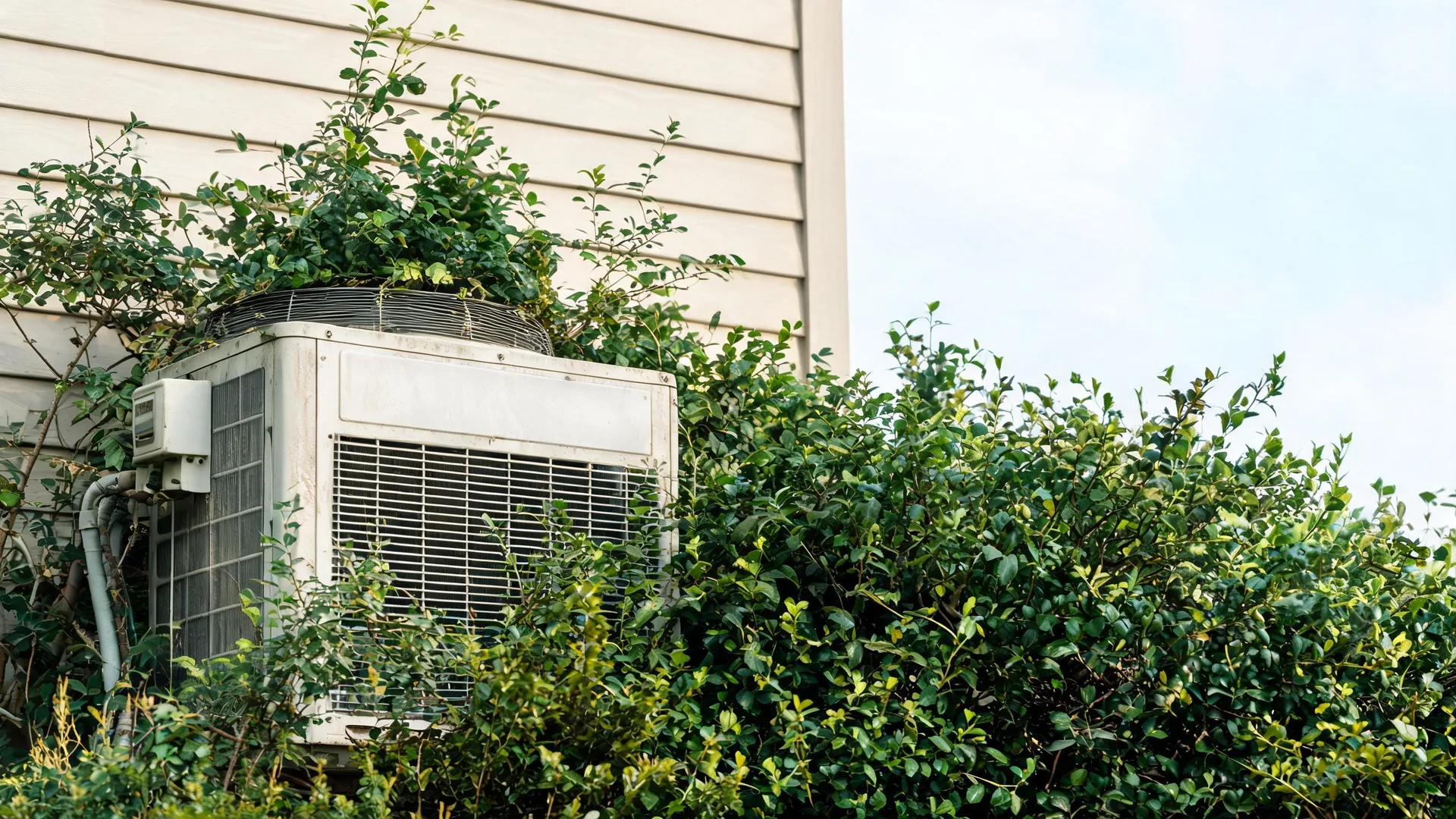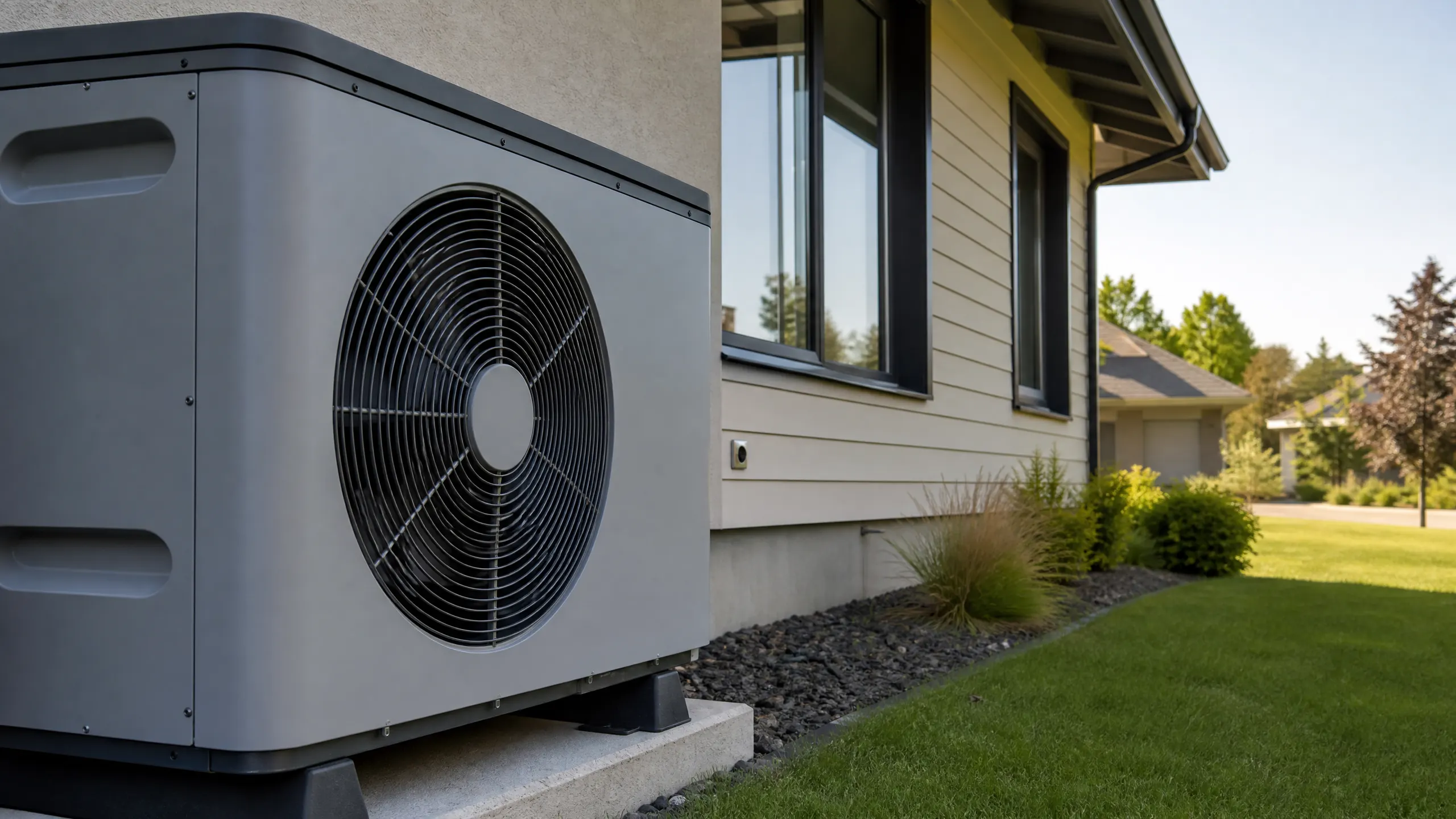
A grey outdoor HVAC unit mounted on a concrete pad beside the beige-sided exterior wall of a suburban house.

Heat Pump Repair in Dundalk, MD

Tell us about the job

Takes about a minute. No obligation.

RepairHeat PumpBaltimore County, MD
Step 1 of 2

What ZIP code is the job in?

Winter is when a heat pump earns its keep

Dundalk nights average 26°F in December, January and February. A heat pump has to pull heat out of cold air to keep the house warm, and that gets harder the colder it gets outside. If yours is losing the fight, short cycling, or blowing cool air, the cold snap isn't the cause. Something in the system needs a look.

Most calls here are ordinary wear, not weather damage

Baltimore County sees its share of wind, hail and winter storms, but none of that points to what's wrong with your heat pump. A refrigerant leak, a failing reversing valve, a worn contactor. These happen in mild climates and hard ones alike. Finding which one it is matters more than guessing at a cause.

7 months
October through April, your system heats
4 months
June through September, it cools
26°F
the average winter night it heats against
85°F
the average summer afternoon it cools against
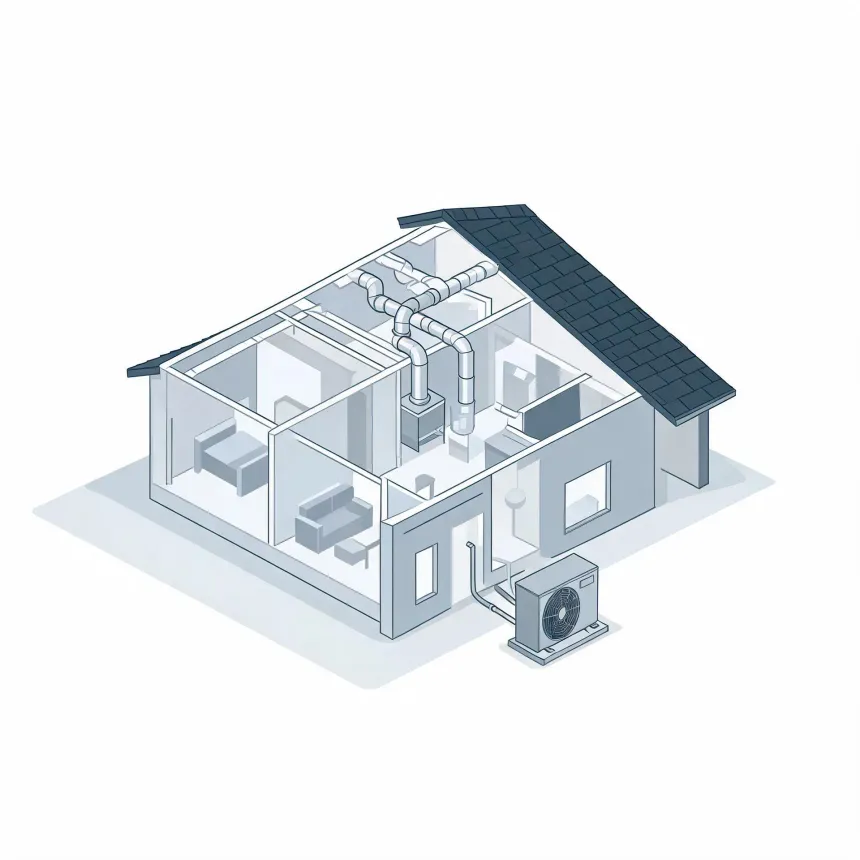
Isometric line illustration of a cutaway house showing interior rooms with furniture, ceiling ductwork connected to an indoor air handler, and an outdoor condenser unit linked by refrigerant lines.
Your system heats October through April and cools June through September.

NOAA nClimDiv, 1991–2020 normals

A refrigerant leak gets worse every day the system keeps running on low charge.

The compressor isn't built to run short on refrigerant, and pushing through a repair can turn into a compressor replacement.

Baltimore County weather isn't what's wrong with your heat pump

402 severe weather events from 2015 to 2024
11% of homes statewide lost power a day or more in 2024
314 damaging wind events from 2015 to 2024

Maryland electricity runs 17.86 cents per kilowatt-hour, among the higher rates homeowners pay. A heat pump that's struggling, short cycling or running longer than it should burns through that power every hour it's on. A failing part doesn't usually get cheaper to ignore. It just keeps drawing power while it loses the fight against the cold, and you pay for a system that isn't doing its job. Getting the real cause found and fixed stops that waste.

Half the homes in Baltimore County were built in 1973 or earlier

Half the homes in Baltimore County were built in 1973 or earlier. If your heat pump came with a house that old, it's likely put in a lot of years already. Before paying for a big repair, it's worth asking how much life the system has left.

Find a contractor
A man in a cap, dark long-sleeved shirt and tan work pants climbs wooden porch steps toward an orange front door, carrying a canvas tool bag with tools in it, beside a potted shrub in a terracotta planter.
A gray heat pump outdoor unit mounted on a concrete pad next to the stone-accented exterior wall of a house.

A heat pump wears from running both jobs, year after year

A heat pump runs both sides of the year, so it wears in more places than a furnace or an AC alone. The reversing valve is the one part unique to it, and it takes a beating every time the system switches between heating and cooling. Over enough cycles the valve can stick or leak internally, and the system stops switching modes cleanly. The contactor and the capacitor wear from cycle count, not from any one cold night. Every time the compressor kicks on, that contactor closes, and over years the contacts pit and burn until they stop making good contact. Low refrigerant almost always means a leak somewhere in the lines or coil, since a sealed system shouldn't lose charge on its own. The defrost board and its sensor can fail too, and when they do the outdoor coil ices over and stays that way instead of clearing on schedule. A system with more years on it has simply been through more of these cycles, which is why age and wear tend to track together. None of it is tied to a hard freeze or a storm. It's what happens to a machine that runs year round, every year it runs.

What you can check safely

Look at the outdoor unit and see if the coil is iced over or packed with leaves and debris. Check the thermostat is set to heat and the temperature is actually set above room temperature. Go to the breaker panel and see if the breaker for the outdoor unit or air handler has tripped. Check the air filter and swap it if it is gray or clogged, since restricted airflow can make the whole system struggle.

What to leave alone

Don't open the outdoor unit's cabinet or touch the wiring inside it. Don't try to chip ice off the coil or pour water on it to melt it faster. Don't keep flipping a tripped breaker back on more than once, since it tripped for a reason. If the system is short cycling or blowing cold air after your checks turn up nothing, that's a sign the problem is inside the system, not something a homeowner can safely chase further.

A heat pump in trouble rarely hides it. The first sign is usually air that isn't the right temperature, cool air blowing in heating mode, or a system that runs without ever catching up to the thermostat. Short cycling is another one, where the unit kicks on, shuts off, then starts again before it's done any real work. That's not normal wear you can wait out. You might also notice the outdoor unit icing over and staying that way, or hear a hard clunk when it switches between heating and cooling instead of a clean shift. A hissing sound near the lines can point to a refrigerant leak. Any of these mean the system needs a look, not a wait and see.

A diagnostic visit starts outside at the unit itself, checking refrigerant pressure, voltage draw and how the compressor sounds when it kicks on. From there it moves to the reversing valve, watching whether it actually shifts the system between heating and cooling or just hangs partway. The contactor and capacitor get checked too, since worn contacts or a weak capacitor show up easily on a meter. If the outdoor coil has been icing over, the defrost board and its sensor get tested to see whether the system is cycling into defrost on schedule or missing it entirely. None of this is guesswork. Each part either passes or it doesn't, and that's what points to the actual fix instead of a part swapped on a hunch.