Half the homes here were built in 1991 or later
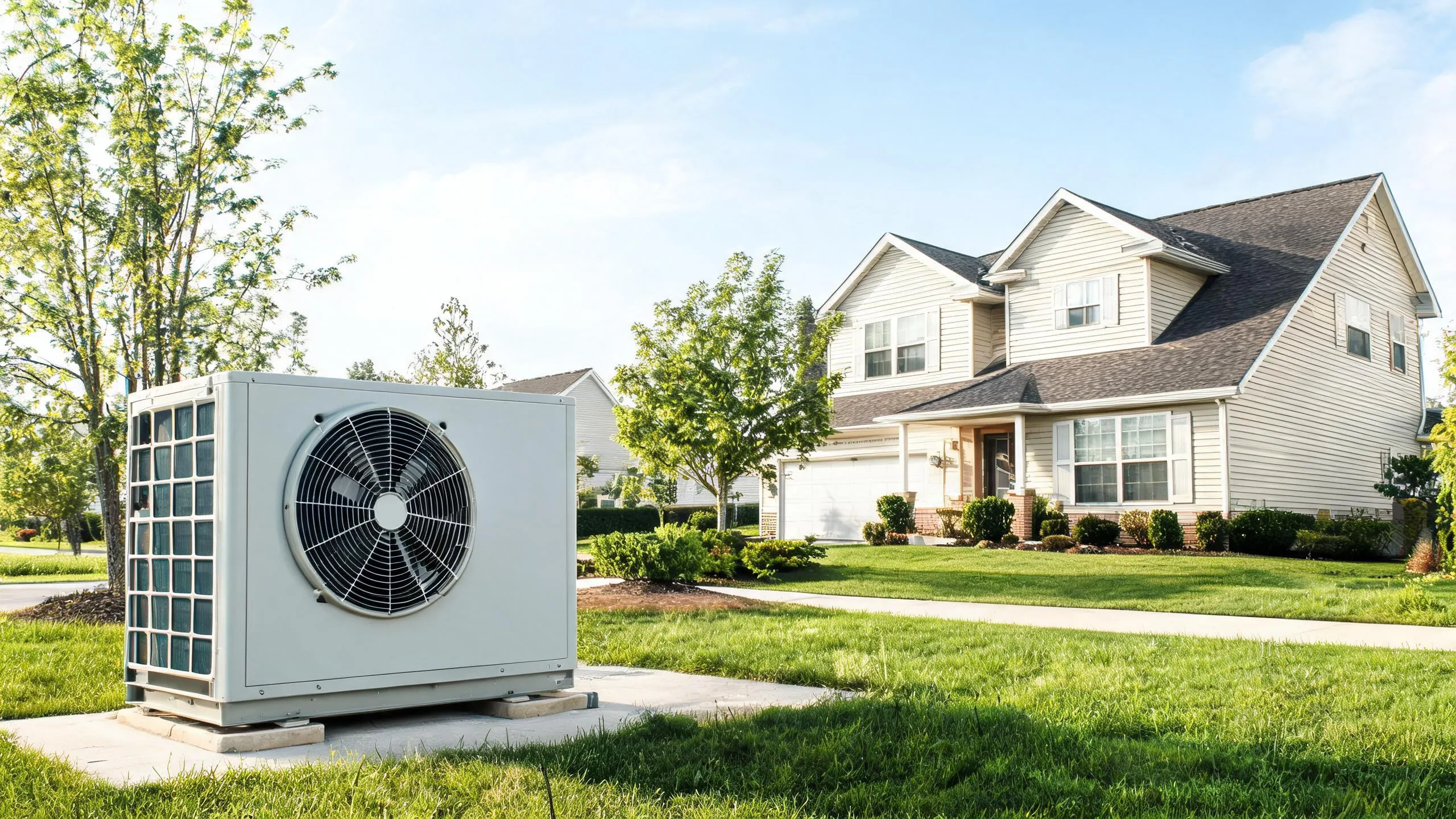
Charles County has a lot of newer construction. Half the homes in the county were built in 1991 or later, so a lot of the heat pumps in them haven't had decades to wear down.
Takes about a minute. No obligation.
Charles County has a lot of newer construction. Half the homes in the county were built in 1991 or later, so a lot of the heat pumps in them haven't had decades to wear down.
If your heat pump came with a house built in 1991 or later, it hasn't necessarily put in the years that push a system toward the end of its working life. A broken part is more likely the problem than a worn-out machine.

NOAA nClimDiv, 1991–2020 normals
La Plata winters average 29°F overnight, not the single digits a heat pump has to fight in colder states.
A compressor running against mild cold tends to hold up well, so a breakdown here is more likely a bad part than a dying system.



So when a heat pump here does act up, it's usually one part giving out, not the whole system calling it quits. A compressor that's spent years fighting 29°F nights instead of single digits has had an easier run than most. That's less strain on the coil, the reversing valve, the compressor itself. Wind and hail don't touch what's inside the cabinet, so if the unit outside looks fine, the trouble is almost always something a contractor can get to and replace. Worth having it looked at before you start pricing a new system.
Electricity here runs 17.86 cents per kilowatt-hour, and a heat pump that's struggling still pulls power the whole time it's trying. A bad capacitor or a stuck reversing valve can keep the compressor working harder than it should, month after month, until someone replaces the part. Get it looked at.
Find a contractor
If your heat pump came with the house and the house went up in the last few decades, the parts inside haven't logged the hours that wear a compressor down. Years of mild use plus not that many years, period. That combination is why a repair call usually ends with a replaced part instead of a quote for a new unit.
Once ice builds on the outdoor coil, the system can't pull heat from the air the way it should. Keep running it and the ice just thickens, cutting off airflow further and making the compressor work harder to do less. What starts as a frost patch can end with a compressor that's been strained for days.
A compressor low on refrigerant or fighting a bad start capacitor still tries to do its job every time it cycles on. The extra heat and strain land on the same windings and bearings each time. Shut it down and a part swap handles it. Keep it running and you risk the compressor itself failing.
A heat pump in trouble usually tells you before it quits outright. It might blow air that's not as warm as it used to be, or run long stretches without the house actually getting comfortable. Some units start cycling on and off more than they should, never settling into a steady run. Others make a noise they didn't make before, a clicking at startup, a hum that doesn't turn into a running compressor, a rattle from the outdoor unit. Ice on the outdoor coil when it shouldn't be there is another one worth paying attention to. None of these mean the system is done. They mean a specific part is failing and it's worth getting someone out before the compressor itself takes the strain.
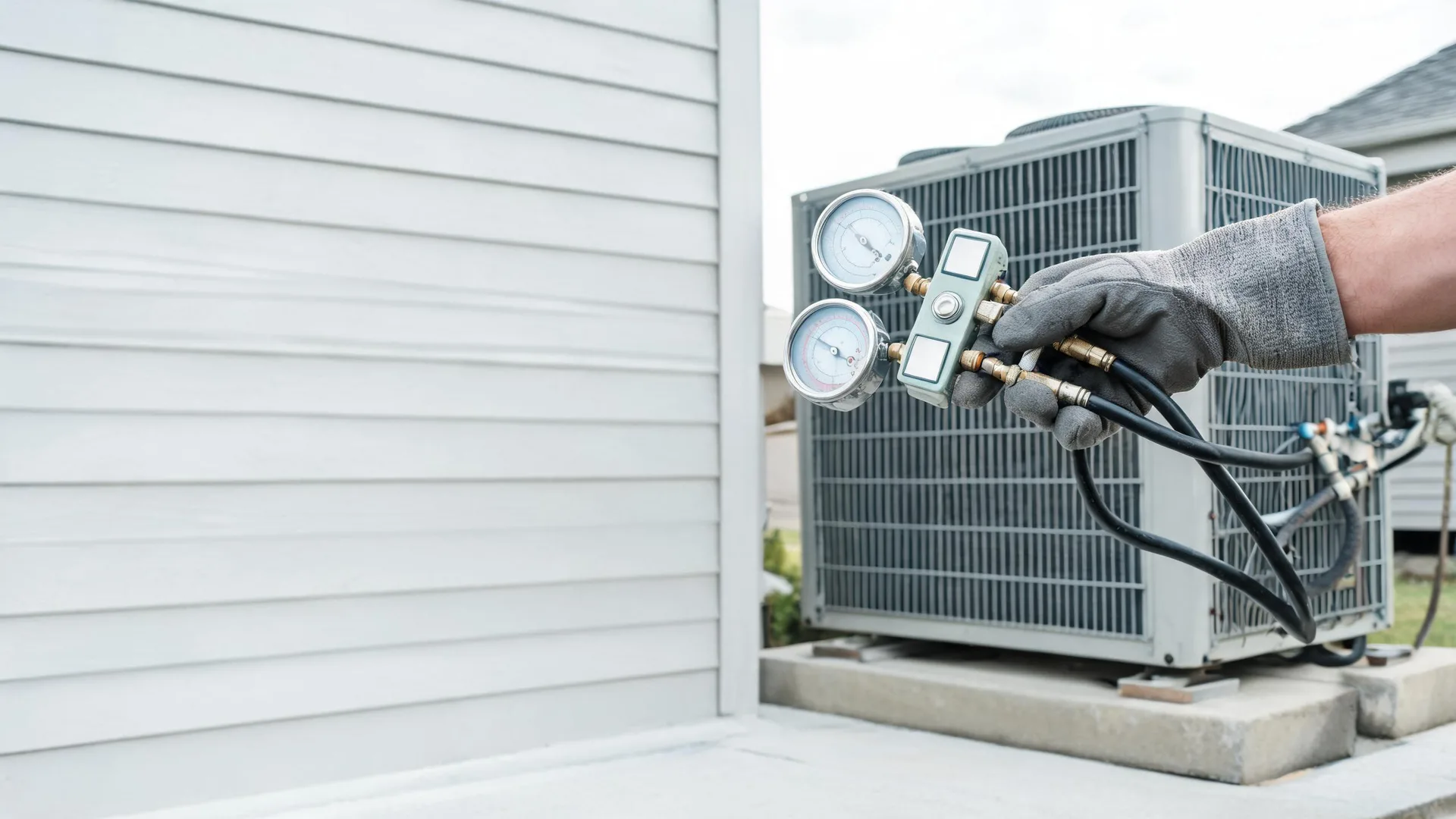
A diagnostic visit starts outside, at the unit itself. A contractor checks refrigerant pressure, looks at the compressor and reversing valve, and runs the system in both heating and cooling to see how it responds. Electrical connections get tested too, since a loose wire or failing capacitor can look like a much bigger problem than it is. Inside, they'll check airflow at the vents and look over the indoor coil. Most of this gets done with gauges and a multimeter, not guesswork. By the end, you should have a clear answer on which part is failing and what it takes to fix it, not just a guess at what might be wrong.