




A white picket fence runs along a mowed grass lawn in front of a row of gray clapboard houses with dark shingled roofs, framed by overhanging tree branches under an overcast sky.

AC Installation in Aberdeen, MD

Tell us about the job

Takes about a minute. No obligation.

New system or replacementCentral ACHarford County, MD
Step 1 of 2

What ZIP code is the job in?

Maryland homes paid 17.86 cents per kilowatthour in 2024, more than most of the country. An air conditioner is the biggest draw on the meter in most homes once it's running. At that rate, a unit sized and installed right for this house spends less time running flat out to hold the temperature. The difference between a good install and a poor one shows up on every bill, not just the first one.

4 months
June through September, your air conditioner is on duty
85°F
the average summer afternoon it cools against
10 hail events
in ten years, and hail bends the fins on outdoor coils
13.4 SEER2
the federal minimum any new unit must meet
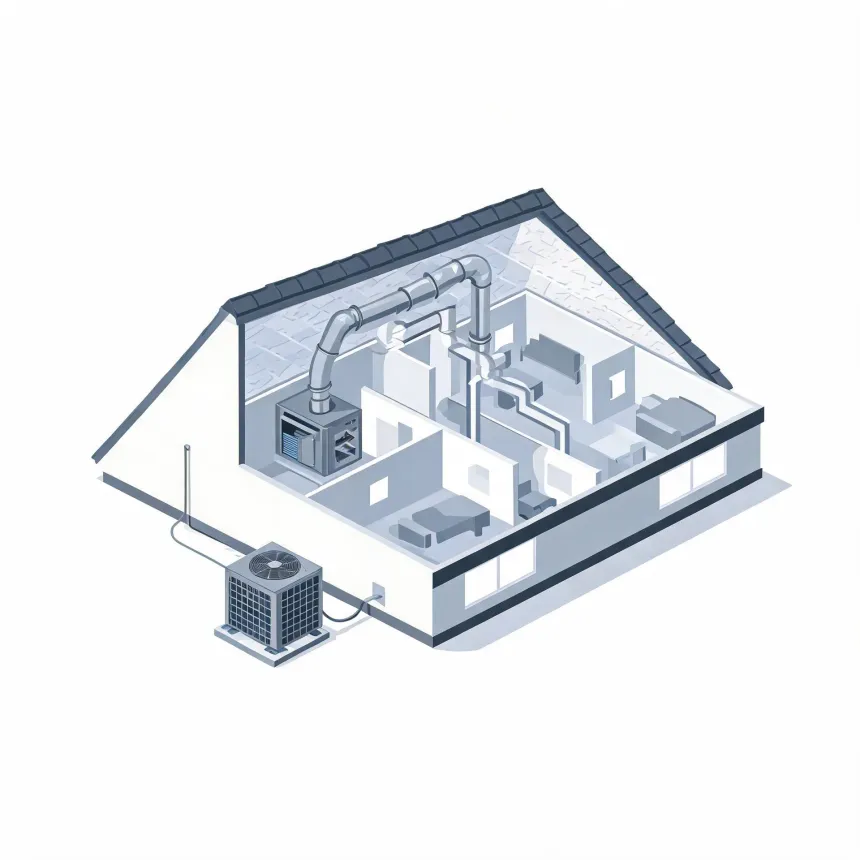
Isometric illustration of a cutaway house showing interior rooms, an attic furnace with large ducts, and an outdoor condenser unit connected by a line set, on a white background.
Your air conditioner works hardest from June through August.

NOAA nClimDiv, 1991–2020 normals

Aberdeen summers run June through September, with afternoon highs averaging 85.

A standard size and efficiency unit handles that fine. Nothing here calls for going bigger or paying more.

Most homes in Harford County heat with electricity

42.3% of homes heat with electricity
Cooling runs June through September
Summer afternoons average 85°F
Get the install right onceAt 17.86 cents a kilowatthour, the install decides what the meter reads all summer.

Maryland follows the national manufacturing minimum, not the higher one set for the Southeast. So a split-system central air conditioner installed here has to clear 13.4 SEER2, not 14.3. Harford County sits in climate zone 4A under the 2021 energy code, a mixed zone that asks real work of both sides of the system, heating and cooling. That's the floor a licensed contractor has to meet here. There's also a federal tax credit for qualifying high-efficiency equipment, worth asking about when you're comparing units and their ratings.

Get it installed before June

May is the last quiet month before cooling starts in Harford County. Install before June and the job happens on your schedule, with time to size the unit right instead of matching whatever is already there. Wait until the first hot week and you're choosing from what's in stock, not what fits.

Find a contractor
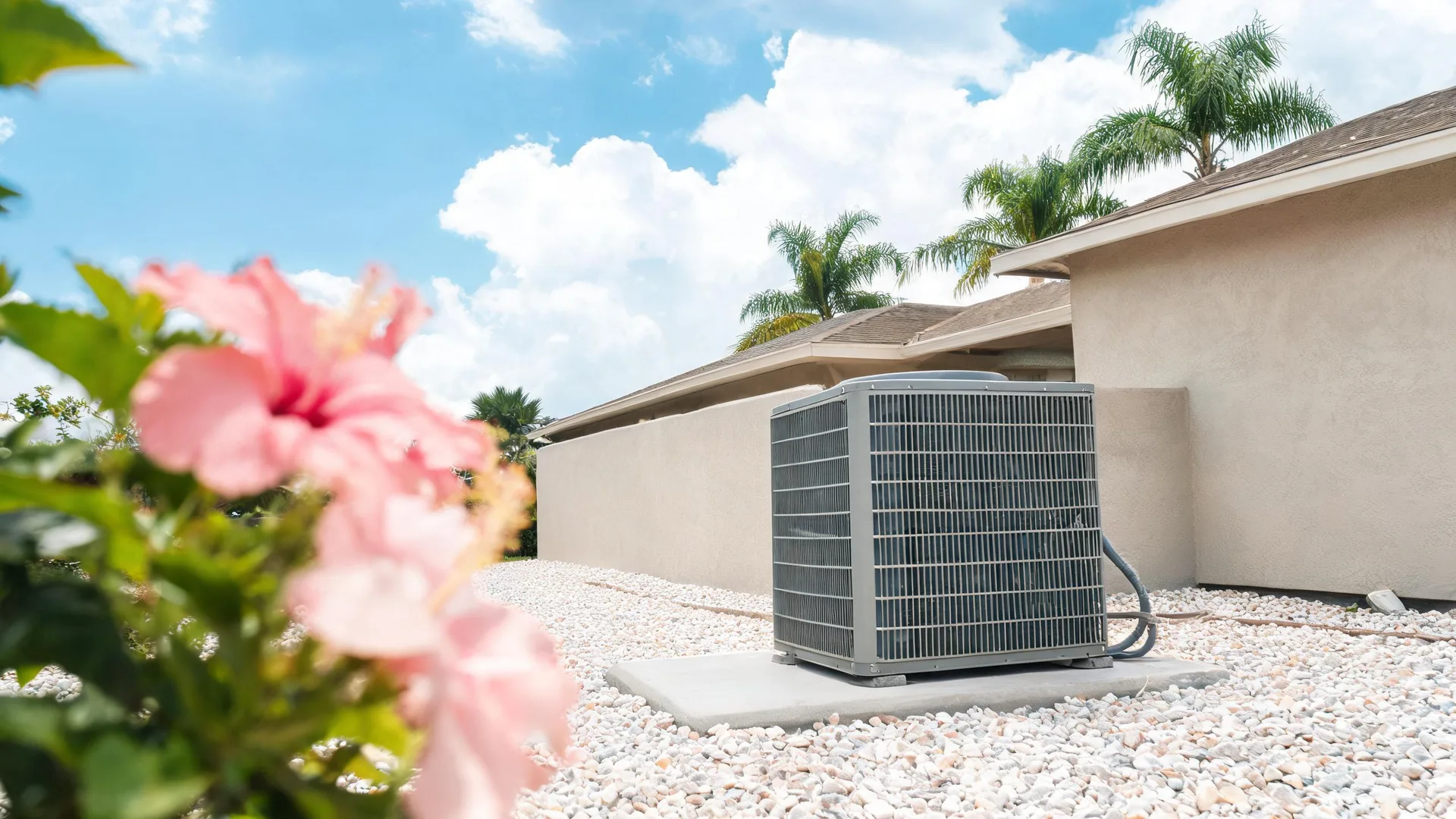
A gray cylindrical air conditioning condenser unit mounted on a concrete pad next to a light-colored vinyl-sided house exterior.

Every hour on the compressor adds up

Every hour this unit runs, it's wearing on the same handful of parts. The compressor is the one that matters most, since it's doing the real work of moving refrigerant under pressure, and it's also the most expensive part to replace. A system that cycles on and off all day puts more strain on that compressor than one that runs longer, steadier stretches at a lower output. That's the whole case for a compressor that can modulate instead of just switching on full blast and shutting off. The fan motors and the capacitors that start them wear on their own schedule too, and heat is what ages them faster, so the hardest-working months are the ones where a weak capacitor finally gives out. None of that shows up on a spec sheet. It shows up in whether the unit was matched to the house or just dropped in close enough.

The rating comes from a lab, not your roof

SEER2 is measured across a range of outdoor temperatures and averaged out, not clocked on the worst day of the year. It tells you how the equipment performed in a test chamber. It does not know how your ducts are laid out or how your house holds heat. That part still comes down to the install.

A high rating still needs the system behind it working

The number on the label assumes the unit runs the way it was designed to. A unit that short-cycles because it's oversized, or that's pushing air through leaky ducts, will not deliver what the label promises. A correct charge and a load calculation matter as much as the rating you're comparing on the showroom floor.

An outdoor air conditioning condenser unit mounted on a concrete pad next to a blue-sided residential house at sunset.

Going above the federal minimum saves little here, about $10 a year.

  • A higher-efficiency unit$270 a year
  • A new unit at the federal minimum, 14.3 SEER2$280 a year

Estimates for a typical Harford County home, from EIA household energy data, Maryland fuel prices and NOAA climate normals. Your home will differ.

Installation day starts with the old unit still running while the contractor checks that what's on the truck matches what was quoted. The old refrigerant gets recovered into a tank, never vented to the air, and that part is the law as much as it's good practice. Then the outdoor unit comes off its pad and the indoor coil comes out, and whoever's doing the work should look at the line set and ductwork while it's all open instead of just bolting new parts onto old connections. Setting the new equipment in place is the quick part. Pulling a vacuum on the line set takes real time, clearing out the moisture and air so they're not mixed in with the refrigerant later. The charge gets weighed in to the exact amount the manufacturer specifies, not judged by feel. Before anyone calls it done, airflow across the coil and pressure in the ducts both get checked, and the charge gets checked again once the system has been running a while rather than just at the first reading. A job that skips the vacuum or guesses at the charge will still blow cold air that afternoon. It just won't hold up the same way a year in.