Is a mini split good for an older Maryland home

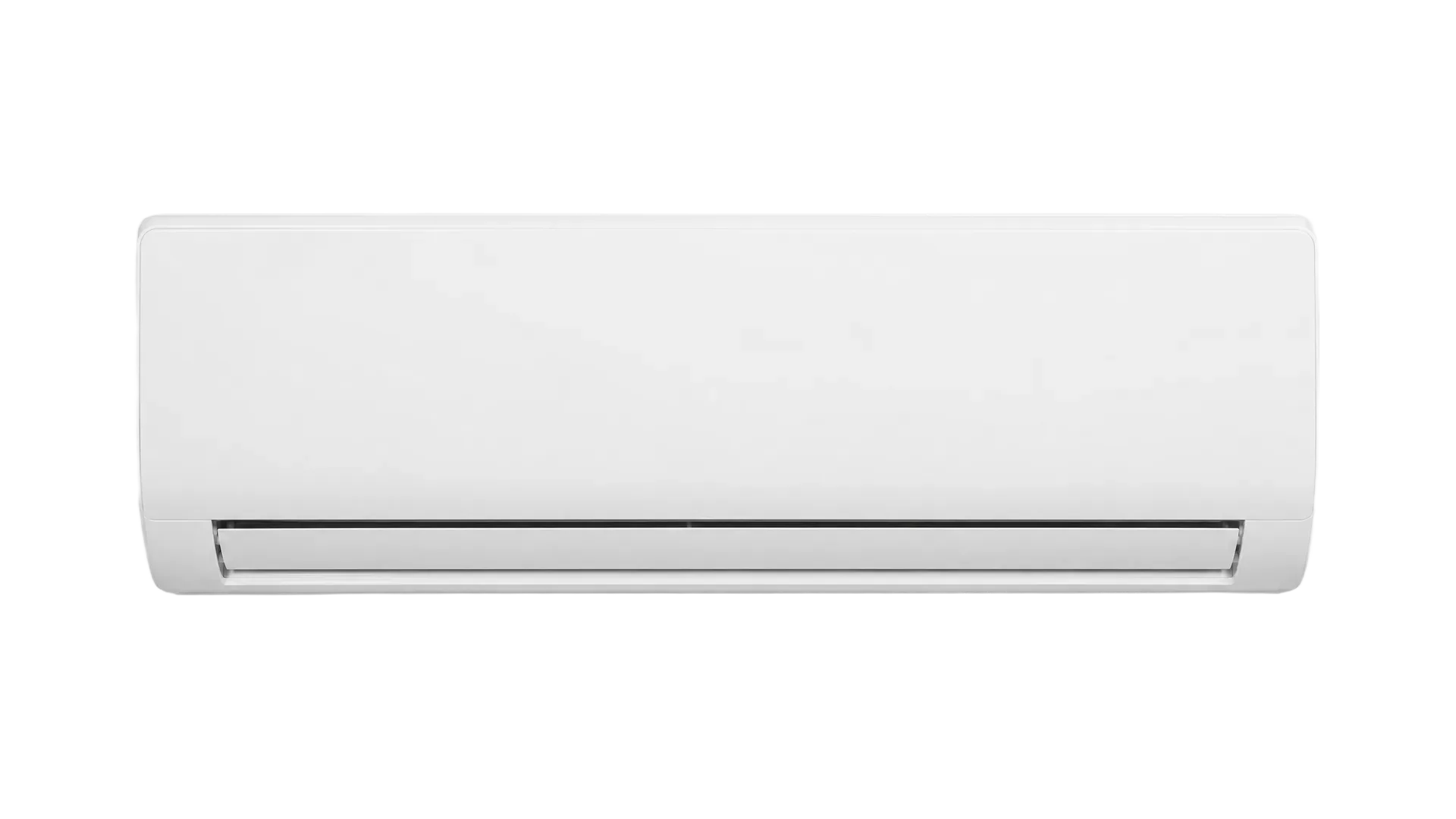
A white wall-mounted mini-split air conditioner indoor unit centered on a plain light gray background.
Get a mini split pro

A mini split can work well in an older Maryland home, including ones with no ductwork or old ducts not worth fixing. It heats and cools without the duct losses that waste electricity, and since most homes here heat with electricity, that matters when power costs this much. In summer, when it gets sticky, a mini split pulls moisture out of the air directly in the room it serves, instead of pushing cooled air through a duct system that may be leaking into an attic or crawl space. In winter, a modern cold climate mini split keeps producing heat well below freezing, which matters in an older house where the existing heat source may be straining or aging out. The one thing that decides whether it is a good fit is sizing and placement, since older homes often have room layouts and wall construction that call for a careful look before installing one. Getting that part right is what separates a mini split that keeps a house comfortable from one that runs constantly and still falls short.


A white wall-mounted mini-split air conditioner indoor unit with visible dust and staining along its lower vent, installed on a plain pale wall.
Before you get your mini split installation
A white wall-mounted mini-split indoor unit installed high on a gray interior wall, with a window at left and part of a light gray sofa with a dark cushion at lower right.
After you get your mini split installation

The outdoor compressor and the indoor air handler talk to each other through a refrigerant line, not a duct run, so the system moves heat rather than pushing air through metal trunks. Each indoor head has its own thermostat. If the room over the garage always ran hot in summer, you can set that one head cooler without touching the rest of the house. The compressor itself ramps up and down to match what the room needs, rather than shutting off and restarting the way an older system does, and that's part of why it costs less to hold a room steady than to chase a swing in temperature. Getting it into an old house with plaster or brick walls doesn't mean opening them up. The line set runs through a hole about 3 inches across. Most units sold now also run backward, pulling heat out of cold outside air in January the same way they pull heat out of a room in July. Changing the filter means sliding it out from behind the front cover, nothing more.


How a mini split actually works

  • A mini split uses an outdoor compressor and one or more indoor air handlers connected by a refrigerant line, not ducts.
  • Each indoor unit has its own thermostat, so a room over the garage or above the kitchen can run at a different temperature than the rest of the house.
  • The compressor adjusts its speed to match the load instead of switching fully on and off, which is why it draws less power holding a room steady than cycling to it.
  • Installation runs a small line set through a wall, usually a 3 inch hole, so old plaster or brick does not need to be opened up for ductwork.
  • Most systems sold now also run in reverse to pull heat from outside air and bring it indoors, so the same unit handles a Maryland winter.
  • The indoor unit's filter sits right behind the front cover and slides out by hand, with no access panel or crawl space involved.
A smiling gray-haired man in a dark wool coat with snow flecks stands in a dimly lit home entryway, with a lit table lamp, potted plant, framed pictures and a living room visible behind him.
An older man with gray hair and a beard, wearing a snow-dusted dark coat and knit scarf, stands smiling in a dimly lit house entry with a lit lamp, mirror, and a living room with snow visible through the window behind him.
An older man with gray hair and a beard, wearing a dark snow-dusted coat and plaid scarf, stands smiling in a warmly lit hallway with a lamp, side table and glass-paned doors behind him.
An older man with gray hair and a beard, wearing a dark coat dusted with snow, stands in a home entryway with a lit lamp, a staircase railing, and a living room with large windows behind him.

Old ducts leak air into attics and crawl spaces before it ever reaches the room, and that loss gets paid for at Maryland's electric rates.

A mini split sends refrigerant through a line instead of air through a duct, so the heat or cool air it makes mostly ends up where you set the thermostat.


A woman wrapped in a chunky knit blanket sits in an armchair with an open book on her lap, beside a lit table lamp and a window with frost and snow outside.
A woman in a cream knit sweater sits in a light upholstered armchair with her eyes closed and a slight smile, beside a window showing orange autumn foliage, with a bookshelf, lamp, and a mug on a side table nearby.

No ductwork to fix

If your old ducts leak into the attic or crawl space, a mini split skips them. The line set carries refrigerant, not air, so there's nothing to lose along the way.

Connect with a pro

One zone, its own thermostat

A room that never matched the rest of the house, too hot, too cold, can run on its own setting once the indoor unit for that room is in.

Connect with a pro

Why does one room never feel right?

Maybe it's the room over the garage that's always warmer in summer and cold in January, or a finished attic that never matches the thermostat downstairs. You might notice the window unit that's been propped in since the house was built, or a vent that barely moves air anymore. Some rooms get a draft near the baseboards, others just feel stuffy by July. If a space has been handled with a space heater or a fan for years because fixing it never seemed worth the trouble, that's usually a sign the ductwork wasn't built to reach it well, or doesn't anymore. Left alone, that room keeps costing you through whatever you're running to make up for it.

  1. A contractor sizes each indoor unit to the room it heats and cools.

  2. The line set runs through a small hole in the wall, not ductwork.

  3. The outdoor compressor connects to each indoor head through that line.

  4. Once it's charged and powered on, each zone runs on its own thermostat.

A white wall-mounted mini-split air conditioner installed high on a light gray interior wall below a white crown molding and ceiling with a recessed light.
A clean mini split moves plenty of air and keeps up on the muggiest days without strain.
A dusty, discolored white wall-mounted mini-split air conditioner unit installed on a plain beige interior wall below a molding strip.
Dust caked on the casing and vents means the coil behind it is dirty too, and it's working harder for less cool air.
A two-story house with light horizontal siding, a gabled roof and a white front door, set on a grassy lawn between two leafy trees, with a wet street and sidewalk in the foreground under low sunlight.

Summer air here averages a 64°F dew point across June, July and August, according to NOAA climate data for Maryland. That's the kind of sticky where shirts stick to your back on the porch. A mini split pulls that moisture out as it cools, which matters more than the temperature on the thermostat. An oversized or poorly matched system can cool the room fast and still leave the air feeling damp, because it shuts off before it's run long enough to wring the moisture out. A mini split sized right for the room keeps running long enough to handle the humidity. Sending in the form is the last step on your end. From there, a contractor takes over figuring out what your home needs.

NASA POWER T2MDEW county cells weighted by homes

A mini split pro near you

Send the form and the search for an installer is over.

No fee to send it, and nothing to sign.
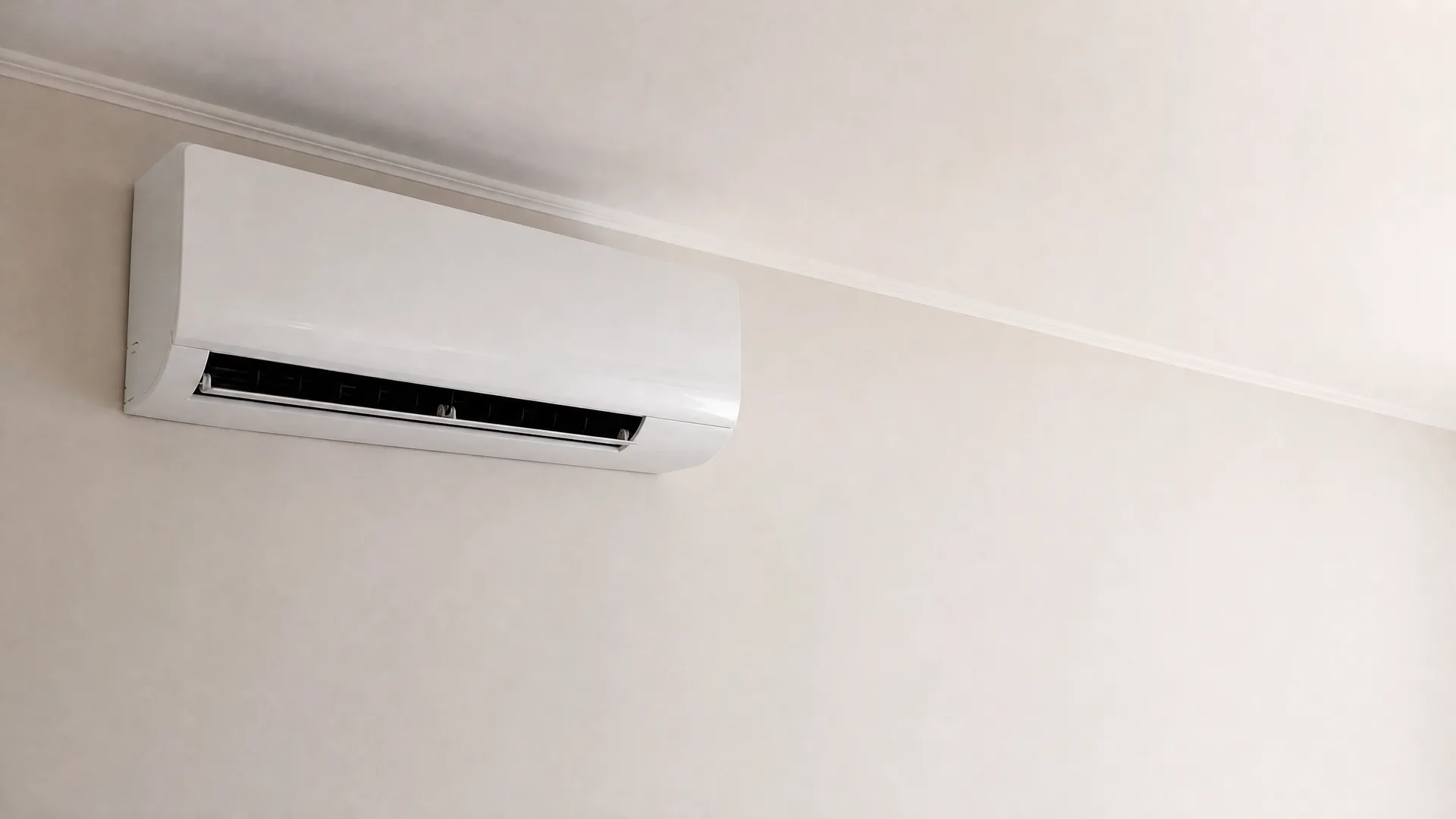
A white wall-mounted mini-split air conditioner indoor unit installed high on a plain beige wall near the ceiling.

A house with window units

One or two rooms stay cool off a window unit or a wall sleeve, and the rest of the house depends on an old system or nothing at all. The upstairs bedrooms bake by August. The sunroom gets shut off from May to September because there's no good way to cool it. Electric bills climb anyway, because the one unit that does run has to fight harder than it should against a house it was never sized for.
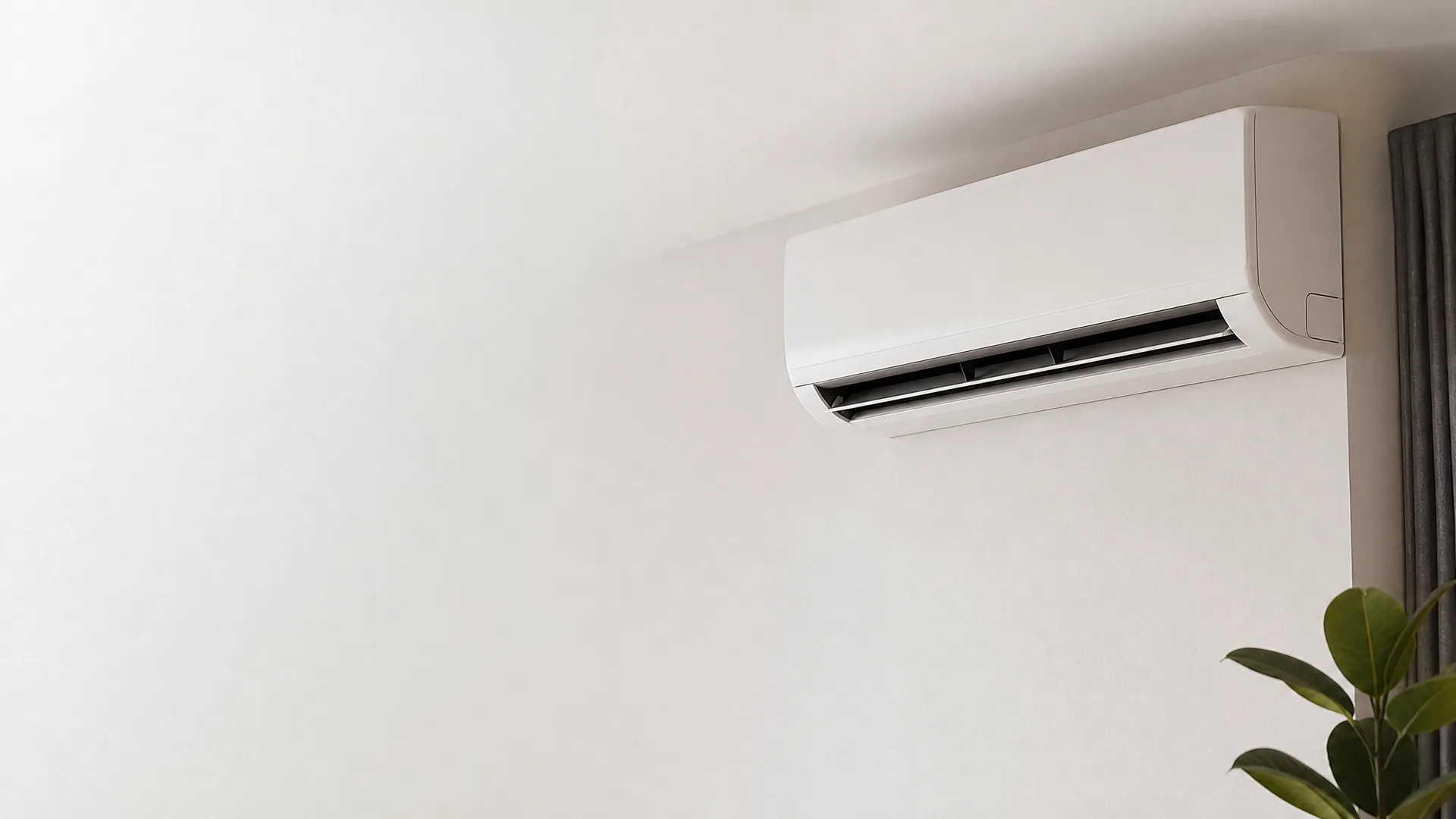
A white wall-mounted mini-split air conditioner unit near the ceiling of a plain white wall, with a gray curtain at the right edge and green plant leaves in the lower right corner.

A house with zoned comfort

Each room that got an indoor head has its own thermostat, set where the people in it want it. The sunroom runs when someone's using it and not when they're not. The bedroom over the garage stops being the hot one in July and the cold one in January. No window units, no sleeves, no propped-open sash in October because the unit's still in. The house stops having a room everyone just lives with.

Mini Split or Central System

Mini split

  • Each room it serves gets its own thermostat, so the room over the garage can run cooler than the rest of the house.
  • There's no ductwork to leak air into the attic or crawl space, so what it makes stays where it's made.
  • It handles Maryland's humidity directly, pulling moisture out of the air as it cools rather than relying on undersized ducts to move dry air around.
  • Heating with electricity costs real money here, and a mini split moves heat instead of generating it, so it uses less power to do the same job.
  • Installation means an outdoor compressor, one or more indoor heads, and a line set through a small hole in the wall, not a full duct system.
  • It can replace a window unit or a wall sleeve in a single room without touching the rest of the house's heating.

Central system

  • One thermostat sets the temperature for the whole house, so a room that runs hot or cold has no way to adjust on its own.
  • If the ductwork is old or leaky, conditioned air gets lost in the attic or crawl space before it reaches the room.
  • A single system heating and cooling every room costs more to run when parts of the house barely get used.
  • Fixing or replacing ducts in an older home can mean opening up walls or ceilings to get at them.
  • It can still pull humidity out of the air over the whole house at once, which a room-by-room system doesn't do in rooms it isn't serving.
  • Repairs or replacement work with equipment most contractors in Maryland already know well, since it's the most common setup in older homes here.
A white wall-mounted mini-split air conditioner on a beige interior wall, with a cream curtain and window at left, a potted plant on a ledge at right, and a wood floor below.

Kept up

This one does its job without you thinking about it. Vents are clear, the panel is clean, and on a sticky July afternoon it keeps pulling the air down to where the room actually feels dry.

A dusty, discolored white wall-mounted mini-split air conditioner unit installed high on a plain interior wall below a white ceiling molding.

Let go

Dust has built up across the top and into the vents. Air can't move through a coil that's caked over, so it runs longer and cools less. A contractor can clean it, but it won't clear on its own.

Power costs 19.53 cents per kilowatt-hour statewide

At that rate, every kilowatt your mini split doesn't waste shows up on the bill. Since it sends cooled or heated air straight through a line instead of losing it in old ducts, you're paying for the comfort you actually get, not for air that leaked into the attic.

EIA-861 2025 statewide residential average

A Good Fit, Handled

  • A mini split fits an older Maryland home whether the ducts are gone, leaking, or never there to begin with.
  • Running on electricity instead of losing it to duct leaks matters most when the power bill is already high.
  • Zone by zone control means the room over the garage finally matches the rest of the house.
  • Maryland's humid summers get pulled out of the air as the unit cools, not just cooled over.
  • Keeping it clean and serviced is what keeps that performance from slipping over time.
  • Once you send the form, finding the right contractor for your home stops being something you have to figure out alone.

An older Maryland home doesn't need working ducts to get even heat and real cooling. A mini split skips the ductwork problem entirely, so whether yours leaks, was never installed, or isn't worth patching anymore, the house can still get comfortable room by room. That matters most here because so many homes run on electric heat, and electric rates don't forgive waste. A mini split sends what it makes through a line instead of losing it in old duct runs, so the power you pay for is the power you feel. The room over the garage, the finished attic, the sunroom that never matched the rest of the house: each can get its own thermostat and finally hold a temperature that makes sense. Summer here is the real test. The air is heavy enough that cooling it isn't enough on its own; a mini split pulls the moisture out as it runs, so the room feels dry, not just cold. None of that holds up on its own, though. A unit caked in dust or short on refrigerant works harder for less result, so what keeps it performing is the same upkeep any system needs. Once you've seen what it can do for a house like yours, the next step isn't research. Send the form, and the work of finding a contractor who fits your home stops being yours to carry.

A single-story house with horizontal siding and large windows lit from within at dusk, beside a lawn, low path lights and a dark gravel driveway, with pine trees and a distant waterway under an orange and blue sky.

Mini Split Installation

A local pro for your mini split installation

New system or replacementMini-splitMaryland
Step 1 of 2

What ZIP code is the job in?

  • A corner of a room with an upholstered wood-framed armchair holding a floral pillow, a round side table with a ceramic lamp, books and a vase of greenery, a framed landscape painting on the wall, a patterned rug, and a sunlit multi-pane window.
    • A local pro who knows mini splits gets your details and gets in touch.
  • Interior corner with a wood-framed window showing green foliage outside, a framed landscape print on a beige wall, and a rounded stone vase of leafy branches on a wooden cabinet.
    • After you send the request, you're done searching.
    • Send the request and finding a pro stops being your problem.
  • A pale ceramic vase holding olive branches sits on a dark wooden countertop beside a carved wooden dough bowl, next to a wood-framed window and a light painted plank wall.
    • One form replaces the calls you'd make to find a mini split pro.
    • Skip the round of in-home estimates for a new mini split.
  • A dark wood round side table holding a brass lamp with a cream shade, a blue-and-white patterned bowl, and a white textured pot of greenery, beside an upholstered chair with a gray patterned cushion and a white-framed window showing green trees and flowering shrubs.
    • One installer gets your project, so there's no bidding war over it.
    • Only one pro gets your request, so you hear from one company.