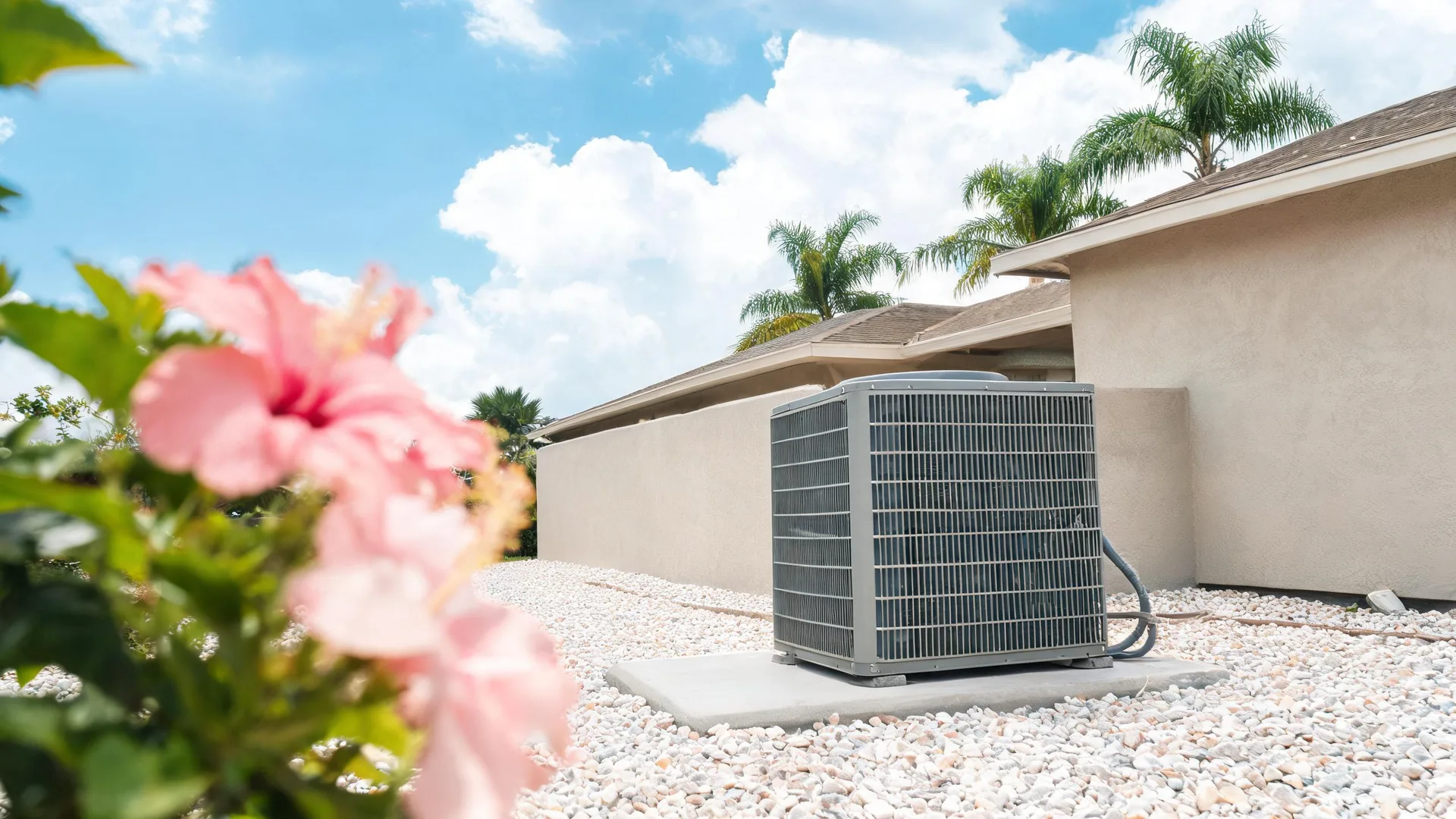
An outdoor central air conditioning unit mounted on a concrete pad beside a blue-sided house at sunset.

AC Installation in Baltimore, MD

Tell us about the job

Takes about a minute. No obligation.

New system or replacementCentral ACBaltimore city, MD
Step 1 of 2

What ZIP code is the job in?

Electricity here runs 17.86 cents per kilowatthour

Maryland households paid that rate in 2024, higher than a lot of the country. A central air system is one of the bigger draws on a summer bill, so the rate you pay for every kilowatthour matters more here than somewhere cheaper.


The SEER2 rating is what to compare

Two systems can cool the same house and cost very different amounts to run. SEER2 tells you how much electricity a unit uses to produce its cooling, not how big or strong it is. At Baltimore's rates, a higher SEER2 unit works against that cost every month it runs.

4 months
June through September, your air conditioner is on duty
87°F
the average summer afternoon it cools against
6 hail events
in ten years, and hail bends the fins on outdoor coils
13.4 SEER2
the federal minimum any new unit must meet
Isometric cutaway illustration of a single-story house showing interior ductwork and an air handler connected by lines to an outdoor condenser unit on a pad beside the building.
Your air conditioner works hardest from June through August.

NOAA nClimDiv, 1991–2020 normals

Cooling in Baltimore starts in June.

Put the new system in during May and it's already running right when it has to earn its keep.

Most homes here heat with gas, and that includes the house getting central air

62.1% of homes heat with gas
Cooling runs June through September
Summer afternoons average 87°F

Cooling runs four months here, June through September, with afternoon highs averaging 87 in the peak of summer. That's real heat, but it's not extreme by national standards. A standard central air system, sized to the square footage and layout of the house, handles it without trouble. Baltimore falls in zone 4A, a mixed climate that asks real work of both heating and cooling, but it's not a punishing one. The job is picking a system that's sized right and installed well, not paying for extra capacity the summers here don't call for.

Any new system here has to clear Baltimore's efficiency floor

Baltimore is zone 4A. New split-system central air has to meet a federal minimum of 13.4 SEER2, and that's before weighing the higher-SEER2 options that cost less to run at local electric rates. Worth settling before you compare quotes.

Find a contractor
A gray cylindrical air conditioning condenser unit mounted on a concrete pad next to a light-colored vinyl-sided house exterior.

This house has been standing a long time

Half the homes in Baltimore were built in 1947 or earlier. A house that age wasn't built with central air in mind, and whatever ductwork, electrical panel or space for a line set is already there has to work with whatever gets installed now. A newer home usually has more of that worked out from the start. If your system came with the house, it's worth finding out what it was actually set up to handle before a new one goes in.

Bigger isn't better

An oversized system cools the air fast and shuts off before it pulls the moisture out of it, so the house ends up cold and clammy at the same time. An undersized one runs nonstop on the hottest days and still falls behind. The right size holds a steady temperature and runs long enough each cycle to actually dry the air.

The load calc is the real work

Sizing a system means a contractor works out a load calculation for the house. Square footage, window area, insulation, ceiling height, which way the house faces, how many people live there, all of it factors in. Nothing about this gets guessed from a rule of thumb or matched to whatever unit was there before. The old system's size tells you what someone installed once, not what the house actually needs.

An outdoor air conditioning condenser unit installed beside the exterior wall of a blue vinyl-sided house at sunset.

A higher-efficiency unit would save about $30 a year to run in Baltimore compared with a new unit at the federal minimum.

  • A higher-efficiency unit$320 a year
  • A new unit at the federal minimum, 14.3 SEER2$350 a year

Estimates for a typical Baltimore home, from EIA household energy data, Maryland fuel prices and NOAA climate normals. Your home will differ.

Installation day starts outside, not in. The outdoor condenser gets set on a pad, leveled, and connected to the line set and electrical disconnect. Inside, the indoor coil ties into the ductwork or air handler, and that connection point gets sealed well since a leaky joint there undermines everything downstream. The line set gets connected, then the whole system is evacuated with a vacuum pump to pull out air and moisture before any refrigerant goes in. Skip that step and moisture sits in the lines, which causes problems months later, not that day. Once the charge is in, a contractor checks refrigerant levels against the manufacturer's spec, confirms airflow at the vents, and tests the thermostat cycle before calling it done.