Electricity here runs 17.86 cents per kilowatthour
Maryland households paid that rate in 2024. A new AC system in Cambridge runs on that same rate every time it kicks on, all summer long.
Takes about a minute. No obligation.
Maryland households paid that rate in 2024. A new AC system in Cambridge runs on that same rate every time it kicks on, all summer long.
Two systems can cool the same house and cost different amounts to run every month. Ask what SEER2 rating each unit you're comparing carries before you decide on price alone.

NOAA nClimDiv, 1991–2020 normals
The old condenser and coil get disconnected and hauled off once the new system is set and running.
The refrigerant in that old unit has to be recovered first, not vented, so factor removal into the install itself.




More than half the homes in Dorchester County run on electric heat, at 53.1 percent. That's more than fuel oil, utility gas and propane put together. If your house already heats with electricity, a new AC system fits into wiring and service built for that load, which is one less thing a contractor has to work around during installation. Electric furnaces and heat pumps both draw on the same circuits a new condenser will tie into, so the electrician already knows this setup. That's part of why replacing like for like is usually the simplest path here.
Dorchester County sits in climate zone 4A, which asks real work of both heating and cooling. Because this county falls in the Southeast region, any new split-system AC installed here has to meet 14.3 SEER2, higher than the national minimum. That floor also qualifies for the federal tax credit available on qualifying equipment. It narrows what a contractor can offer you, in a good way.
Find a contractor
A compressor that cycles on and off in a steady rhythm wears a lot slower than one that short-cycles or runs in long, dragging stretches. Ask how the contractor sized the system, not just what size they landed on. An oversized unit cools the air fast, shuts off before it pulls any real moisture out of the house, then kicks back on again soon after. That short-cycling adds wear every time it happens. An undersized unit runs long stretches without rest, which pushes the compressor and the fan motor harder than they need to work. Either way the house ends up less comfortable, too humid from short cycling or never quite cool from a system that can't keep up. Ask what load calculation the contractor ran on the house itself, not a guess based on the old system's size or the square footage alone.
The rating on the label comes from lab testing at full load. Most of the time your system is running at partial load, cycling to match whatever the house needs right then. A higher SEER2 unit still tends to do better at partial load too, but the number on the sticker is a ceiling, not an average of how it runs in your house.
A high SEER2 condenser paired with a coil that doesn't match it, or set up with the wrong refrigerant charge, won't deliver the rating on the label. Airflow across the coil and the charge in the lines both have to be right for the system to run anywhere near what it's rated for. The number tells you what the equipment is capable of, not what it will actually do once it's set in place.
Estimates for a typical Dorchester County home, from EIA household energy data, Maryland fuel prices and NOAA climate normals. Your home will differ.
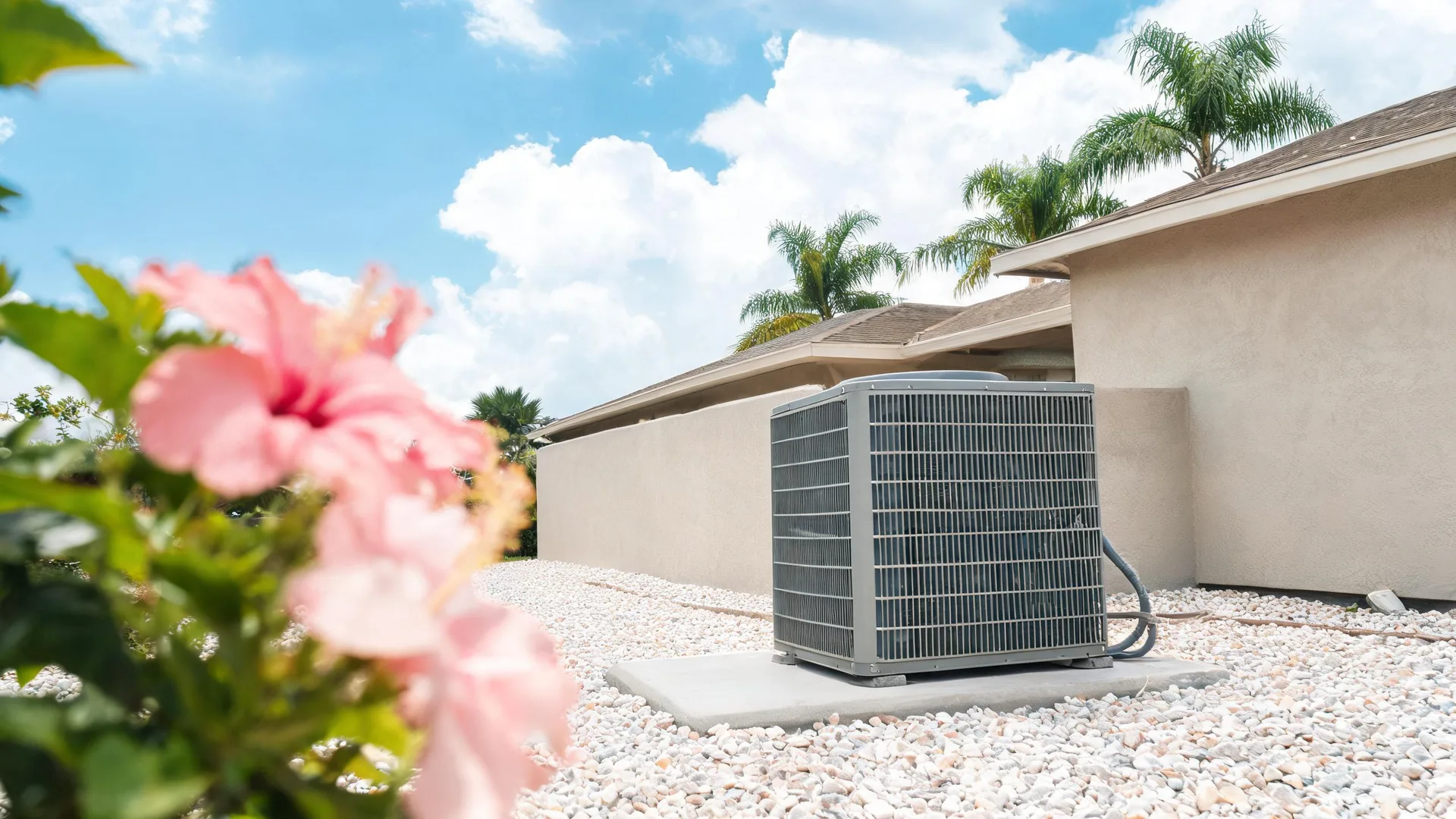
Install day starts with the old system coming out, not the new one going in. A contractor disconnects the line set, pulls the old condenser and coil, and only then starts setting the new equipment. Setting the condenser pad and mounting the new unit is the fast part. Most of the day goes into the line set and the coil, brazing joints, pressure testing for leaks, then pulling a vacuum on the lines to clear out moisture and air before any refrigerant goes in. Skip that vacuum and the system runs with moisture in it, which causes problems down the road. The charge gets weighed in or adjusted to the line length once everything holds pressure. Expect the power to be off at points, and expect some noise. The job isn't done until the contractor checks airflow at the vents and confirms the system is cycling the way it should.