Electricity here runs 17.86 cents per kilowatthour
Maryland households paid that rate in 2024. A cooling system that pulls more than it needs to turns that rate into a bigger number every single month it runs.

Takes about a minute. No obligation.
Maryland households paid that rate in 2024. A cooling system that pulls more than it needs to turns that rate into a bigger number every single month it runs.
The SEER2 rating on a new system decides what every summer costs from here on. Getting the sizing and the rating right at installation is worth more than any fix down the road.

NOAA nClimDiv, 1991–2020 normals
Cooling runs June through August here.
Install in May and the sizing and SEER2 choice are already settled before the heat shows up.



Cooling here runs three months a year, June through August, with afternoon highs averaging 84°F. That's real work for a system, but it's not extreme. Carroll County sits in zone 4A, a mixed climate that asks something of both your furnace and your AC, not a place where summers push equipment past what it's built for. A correctly sized system at a standard efficiency rating will keep up fine. There's no local condition here that calls for oversizing or for paying up for a higher tier than the house actually needs.
Over half the homes in Carroll County heat with electricity, and that same wiring and ductwork is already set up to run central air. If your furnace is electric, adding or replacing AC usually means working with a system that's already built to pair with it, not retrofitting something new.
Find a contractorWhen a new system goes in, the old condenser and coil come out. A contractor will recover the refrigerant from the lines before anything gets disconnected. It can't legally be vented into the air. After that it's a straightforward swap. Old unit disconnected, new lines run or reused if they check out, new equipment set and charged. Copper lines in good shape often get reused. That's one reason a contractor will inspect them rather than replace them on assumption. The old equipment usually gets hauled off for recycling. The cabinet, the coil, the compressor all have scrap value, so most installers fold removal into the job instead of leaving it for the homeowner to deal with.
A contractor works out the right size by adding up how much heat your house actually gains. Windows and which way they face. Attic and wall insulation. Ceiling height. How much shade the house gets. Square footage alone leaves out too much to land on the right number. Houses the same size can need different systems.
A system that's too big satisfies the thermostat before it's run long enough to pull humidity out of the air. You get a house that feels cool but damp. It also cycles on and off more than it should, and that extra stopping and starting wears on the compressor faster than a system that runs its full cycle.
Estimates for a typical Carroll County home, from EIA household energy data, Maryland fuel prices and NOAA climate normals. Your home will differ.
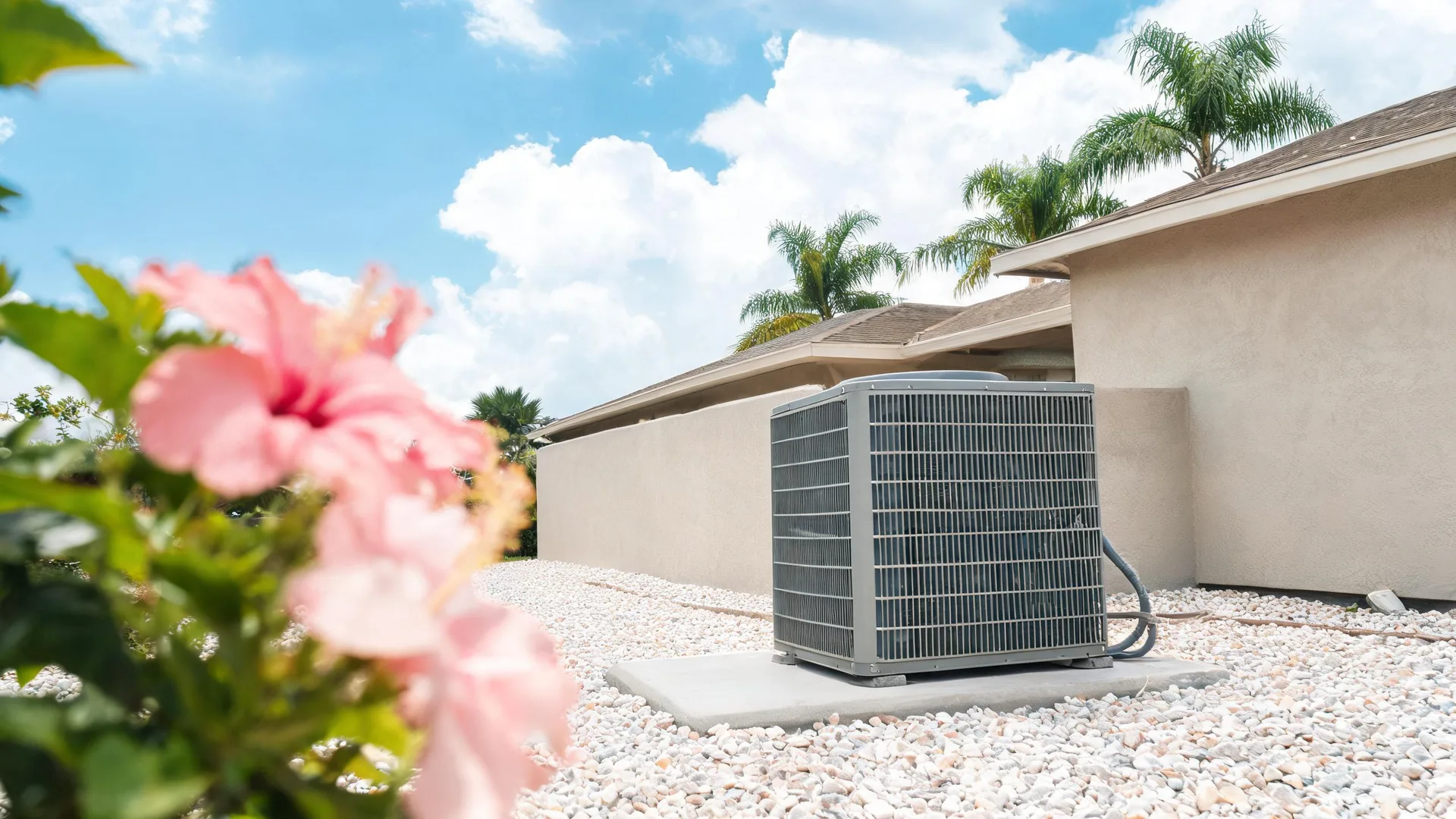
Installation starts with the old system coming out, condenser and coil both, before any new equipment gets set in place. The new condenser goes outside on its pad, the coil gets set at the furnace or air handler, and the lines between them get run or reused if the old ones check out. Electrical connections and the condensate drain get tied in alongside that work. Once everything is connected, the system gets charged with refrigerant and run through a test, checking airflow at each register and making sure the thermostat is actually controlling the equipment the way it should. Before the crew leaves, you should feel cool air moving at the vents and hear the system cycle on and off properly, not short cycling and not running without shutting off.