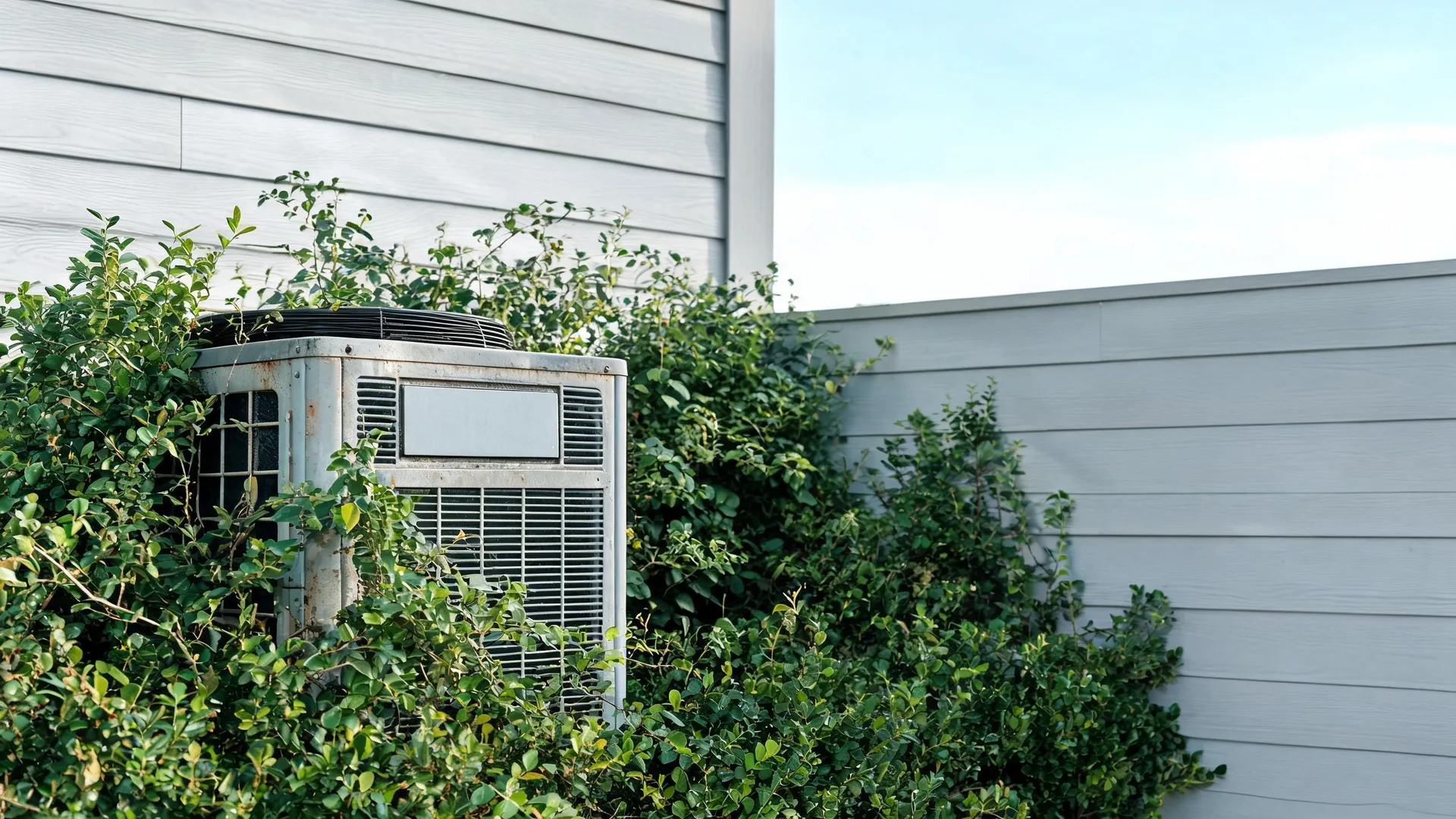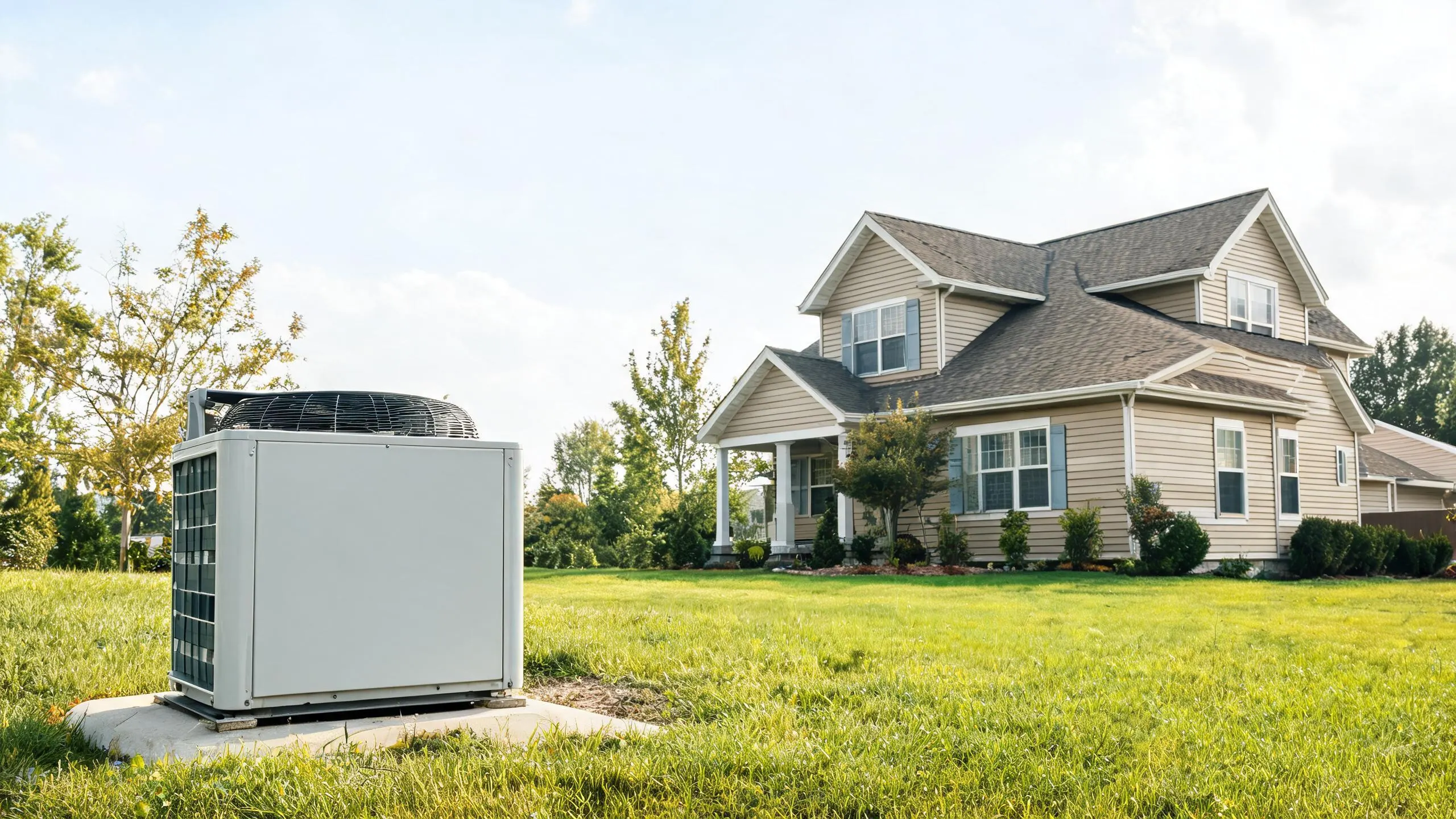
An outdoor HVAC condenser unit on a concrete pad in front of a two-story suburban house.

Heat Pump Repair in Gaithersburg, MD

Tell us about the job

Takes about a minute. No obligation.

RepairHeat PumpMontgomery County, MD
Step 1 of 2

What ZIP code is the job in?

May is when a weak heat pump gives out

Heat pumps in Gaithersburg start their cooling work in June. A system with a failing capacitor or a low charge often makes it through the mild days and quits once the heat sets in. If yours is struggling now, in May, that's the warning before the real load hits.


The same goes for September

Heat here switches over in October, so September is the last easy month before the unit has to produce heat on demand. A heat pump that short cycles or blows cool air in September is telling you something that will only get worse once it's running every day.

7 months
October through April, your system heats
4 months
June through September, it cools
27°F
the average winter night it heats against
85°F
the average summer afternoon it cools against
Isometric line illustration of a cutaway house showing interior rooms with furniture, ceiling ductwork connected to an indoor air handler, and refrigerant lines running to an outdoor condenser unit on a pad.
Your system heats October through April and cools June through September.

NOAA nClimDiv, 1991–2020 normals

Gaithersburg heat pumps deal with real heat and real cold, with winter nights averaging 27°F.

A heat pump built for that swing shouldn't be struggling, so a unit acting up has a specific cause worth finding, not a losing battle.

Half the homes in Montgomery County date to 1980 or later

Half the homes here were built by 1980
443 damaging wind events from 2015 to 2024
58 hail events from 2015 to 2024

Montgomery County gets its share of rough weather, including 443 damaging wind events over the past decade. Wind and hail test roofs, siding and trees long before they touch an outdoor heat pump unit. A heat pump that's down right now almost certainly failed for an ordinary reason, something like a capacitor, a contactor, a low charge, or a thermostat signal not getting through. Worth a look at the unit for dents or debris if there's been a storm recently, but otherwise this is probably the common failure it looks like. Finding the actual cause matters more than guessing at the weather.

A heat pump that runs badly still runs up your bill

Maryland electricity costs 17.86 cents per kilowatthour, among the higher rates homeowners pay. A heat pump losing charge or short cycling draws power without doing its job, and you pay full price for it every month it goes unfixed.

Find a contractor
A gray heat pump condenser unit mounted on a concrete pad against the gray lap-siding exterior wall of a house.

Check the age before you replace it

If your heat pump came with the house, check how old that makes it. Half the homes in Montgomery County were built in 1980 or later, so plenty of systems out there still have years of working life in them. A unit that age isn't the reason it's acting up. Repair is the right call while it's still within that life, and worth confirming before anyone brings up replacement.

A low charge gets lower

A heat pump low on refrigerant has a leak somewhere in the line, and that leak doesn't seal itself. Every day the system runs, more refrigerant gets out and the compressor has to work harder to move what's left. Keep running it short on charge and the compressor is what fails next, not the leak itself.

A weak part strains the one next to it

A failing capacitor makes the compressor or fan motor start hard every cycle instead of starting clean. The motor takes that strain, cycle after cycle, and a motor that's been starting hard for weeks is closer to failing than one that starts clean. Replacing the capacitor early is what keeps the motor out of it.

Most heat pump failures trace back to a handful of parts. The capacitor is the usual one, it weakens over time and eventually can't give the compressor or fan motor the kick it needs to start. A contactor can stick or burn from years of opening and closing, so the outdoor unit stops responding even when the thermostat calls for it. Refrigerant leaks show up at joints and valves, slow enough that the system keeps limping along before it quits outright. The reversing valve is the part unique to a heat pump, and when it sticks, the system gets stuck heating when it should cool or the other way around. A dirty outdoor coil forces everything to work harder, and that extra strain is what pushes a weak part the rest of the way to failing.

A diagnostic visit starts outside, at the unit itself. A tech checks the readings against what the system should be doing at that point in its cycle, pressures on the gauges, amp draw on the compressor and fan motor, voltage at the contactor. That tells them whether the problem is electrical or whether refrigerant is involved. Indoors, they check the air handler and the thermostat signal, since a heat pump that won't respond sometimes has nothing wrong with it outside at all, the signal just isn't getting through. If refrigerant is low, they'll look for where it's getting out rather than just topping off the charge, because adding refrigerant to a system with a leak only buys a little time. The visit ends with the tech pointing to the part that's actually failing, not a guess at a handful of possibilities.