


How long a heat pump lasts in Bowie, MD

Connect with a pro

You want to know how many years you can expect to get out of a heat pump here in Bowie before it's time to replace it. That number depends on how the unit was sized for your house, how well it was installed, and how it's been run through our humid summers and cold winters. A unit pushed too hard every July, or one that was never quite right for the house, wears out faster than the numbers suggest. The best way to know where your system stands is to have a local contractor look at it directly, someone who installs and services heat pumps around Prince George's County and knows what tends to go wrong first in homes like yours. Answer a few questions about your system and your house, and you'll be matched with one contractor suited to the job, not a handful of companies competing for your attention. They'll reach out and walk through what they're seeing in your area and what it means for yours.

How long does a heat pump last in Bowie, MD?

You want a number before you commit to a repair or a replacement. Your heat pump has been running for years in Bowie's muggy summers and cold winters, and you're trying to figure out if it's near the end or still has good years left. The honest answer depends on a few things specific to your unit and how it's been used, but there's a range worth knowing.

Most heat pumps last 10 to 15 years

A heat pump in Prince George's County works harder than one in a milder climate. It runs for cooling through the sticky summer months and then switches over to carry some or all of your heating through a cold winter, so the compressor gets far more hours of use each year than it would in a place with a short summer and a mild winter. That extra run time wears on the compressor and the outdoor coil faster. A unit that was sized correctly for your house and installed well tends to land at the higher end of that range. One that was oversized, undersized, or installed with a refrigerant charge that wasn't set right tends to fall short of it, sometimes by several years.

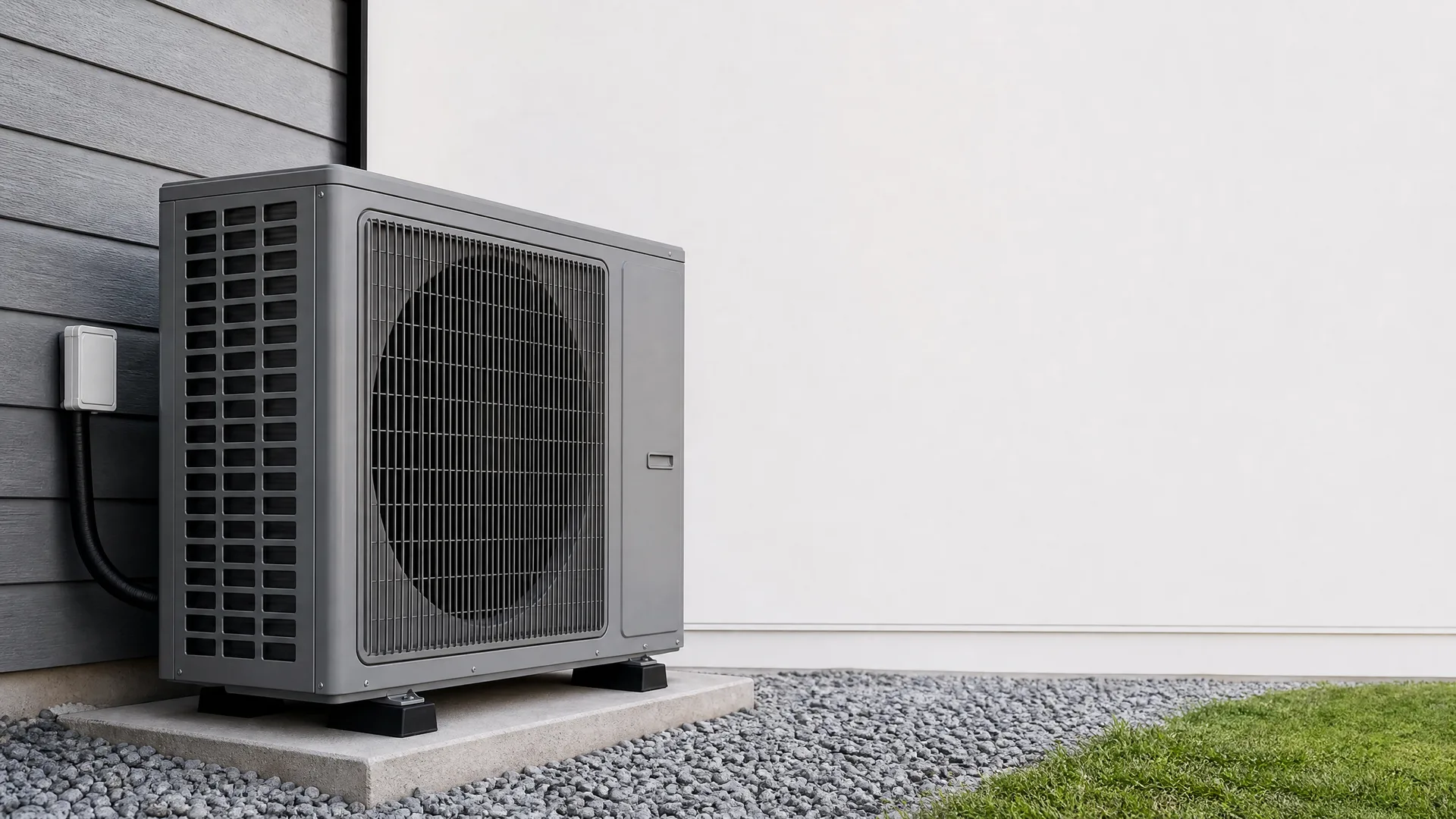
A gray outdoor heat pump unit on a concrete pad beside a house with dark horizontal siding and a plain white wall, surrounded by gray gravel next to a strip of grass.

Why the compressor runs harder here

A heat pump moves heat both ways, so it works through Bowie's full range, pulling heat out of the house in July and pulling it from the outside air in January. In January, when outdoor air can sit near or below freezing, the unit has to extract heat from air that has little to give up, and the compressor runs longer to make the same amount of heat a gas furnace makes by burning fuel.

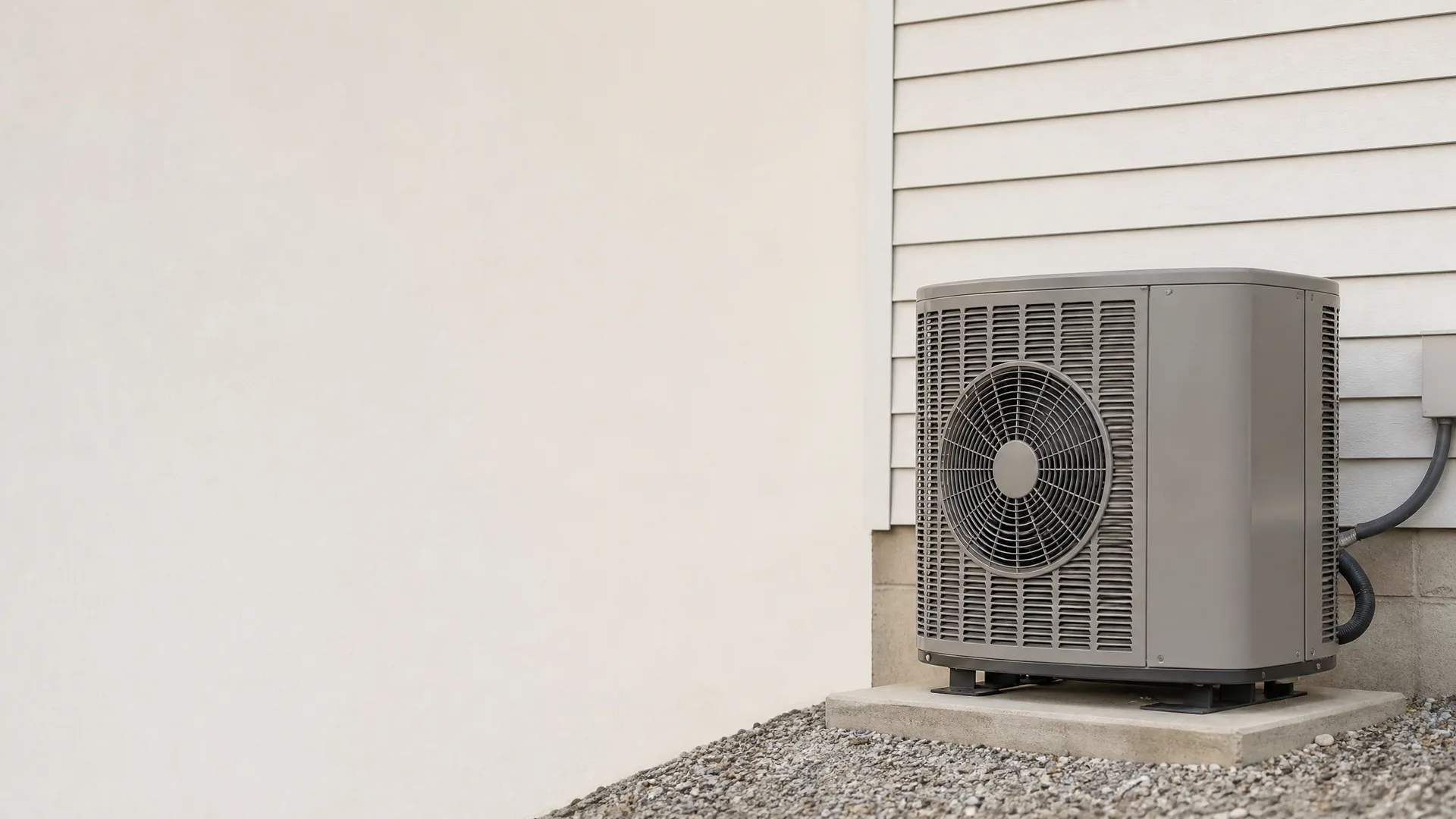
A gray outdoor heat pump unit on a concrete pad over gravel, beside a house with horizontal siding and an adjoining light stucco wall.

What the defrost cycle costs it

Below about 40 degrees, frost can form on the outdoor coil, and the system has to pause heating to run a defrost cycle and melt it off. That cycle happens often during a Prince George's County cold snap, and it adds wear to the reversing valve and the defrost control board over the years. A unit that's sized and installed right handles this without issue; one that's undersized for the house runs defrost cycles more often and ages faster.

A woman in a tan sweater and jeans stands in the open black-framed front doorway of a white single-story house, while a blonde woman in an orange sweater and jeans walks toward her along a concrete paver path bordered by shrubs.

What an aging heat pump looks like in your house

You'll notice it before it quits. Rooms that used to even out in twenty minutes take longer, or the room over the garage never quite gets there. The outdoor unit runs long stretches on the mild days in April and October, when it used to cycle off quick. Your gas furnace or electric backup kicks on more than it should, because the heat pump can't keep up on its own, and that shows up on your power bill since backup heat costs more to run.

If your heat pump came with the house, check the nameplate on the outdoor unit for the install date before you decide anything. A unit near the end acts different depending on what's wrong with it. Low refrigerant shows up as weak cooling on the worst July days. A failing defrost control shows up as ice on the outdoor coil in January that doesn't clear. A contractor who works on these year-round in Prince George's County will know which of those is worth fixing and which means the unit's done, and matching with one means a single local call back, not a round of quotes from companies that don't know your street.

A dark ceramic mug on a round wooden table beside a light grey sofa with a woven cushion and knit throw, with a window, potted plant, floor lamp and wooden cabinet blurred in the background.

So why does a Bowie heat pump wear out this fast?

  • Winter nights average 28°F

    Winter nights averaging 28°F mean the unit leans on its backup heat strip for warmth, and that strip pulls hard on the compressor's duty cycle all winter.

  • Heat runs October through April

    Seven months of heating means the compressor almost never gets a real break, so the wear adds up long before a system in a milder state would show it.

  • Cooling runs June through September

    Four months of cooling on top of that means the same compressor is working nearly eleven months of the year, with only a short rest each spring and fall.

NOAA nClimDiv 1991-2020

A gray outdoor condenser unit on a concrete pad beside a house with horizontal lap siding, connected by conduit and lines to a wall-mounted disconnect box, with a shrub and gravel bed to the left.

Running the way it should

A heat pump that's sized right cycles on, satisfies the thermostat, and shuts off. The lines stay insulated, the disconnect box stays dry, and the pad underneath sits level. Nothing short-cycles and nothing runs long into the evening just to hold a room steady.


An outdoor air conditioner condenser unit on a concrete pad beside a light gray vinyl-sided house, with an electrical disconnect box and conduit on the wall and bare soil in the foreground.

Working too hard to keep up

The same setup under strain looks almost identical from outside. What's different is what's happening inside the cycle: longer runtimes, more starts per hour, and a compressor leaning on the backup strip more than it should. By the time you notice from indoors, the unit outside has been carrying that load for a while.

An outdoor condenser unit sits on a concrete pad beside a house with horizontal vinyl siding, with a gray electrical disconnect box and conduit on the wall and a shrub at left.
Before you get your heat pump installation
A gray outdoor condenser unit on a concrete pad beside a light-colored lap-sided house, with a wall-mounted disconnect box, refrigerant lines, mulch bed and shrubs, and a concrete walkway in the foreground.
After you get your heat pump installation
A light gray outdoor heat pump unit mounted on a concrete pad beside a house with horizontal lap siding, with refrigerant lines and conduit running to a wall-mounted electrical box, gravel and a leafy shrub nearby.

Clean coils, clear path

The coils are open and the air moves through freely. The lines running to the disconnect box stay wrapped, and the pad sits level with room around it. A unit kept clear like this doesn't have to fight for airflow to move heat either direction.

An outdoor air conditioner condenser unit on a concrete pad beside a house with horizontal lap siding, with refrigerant lines entering the wall and a shrub on bare soil to the left.

Coils clogged with debris

Dirt and leaves have packed into the coil fins, so the unit can't shed heat in July or pull it from the air in January. The compressor runs longer to make up for it, and that extra strain is what shortens a heat pump's life here.

A gray-haired woman in a dark sweater sits with a blanket on her lap near a window, looking out at autumn-colored trees, in a living room with a sofa, built-in shelves, and a potted plant on a side table.
A woman with long gray hair in a knit sweater sits on a sofa with cushions and a blanket, looking out a large window toward yellow autumn foliage.
A gray-haired woman in a cream knit sweater sits on a light sofa with a blanket, looking out a window toward yellow autumn trees, with a framed picture and potted plant in the background.
An older woman in a cream knit turtleneck sweater sits on a sofa with a blanket, looking out a window with autumn-colored trees outside, in a dimly lit living room with a lamp, framed art, and a patterned rug.

Get matched with a heat pump pro in Prince George's County

If your heat pump is already past 28°F mornings and leaning on strip heat to keep up, that's not a sign to wait it out. Replacing it before a January breakdown means you pick the day, not the weather. A unit sized wrong for your house will wear the same way again, so getting someone who installs these year-round in Bowie matters more than getting it done fast. A local contractor who works on this equipment every season knows what fails first in homes around here, from an oversized unit that short-cycles to lines that were never wrapped right. You're matched with one contractor for your situation, not a list of names to sort through. If your current system is still running but you're hearing the signs, the sooner someone looks at sizing and condition, the more say you have in when it gets replaced instead of being stuck replacing it the week it quits.

Keep running it as is

A heat pump that still satisfies the thermostat can keep going another season if you let it. You avoid the cost of replacement now, and you get whatever months or years are left in the compressor. The tradeoff is that you're guessing at how many of those are left, and a compressor that fails in January does it without warning. You'll also keep paying what an aging unit costs to run, since a compressor working harder to hit the same temperature pulls more power doing it. If the unit is still holding its own on mild days and only straining on the coldest mornings, this is a reasonable bet. If it's straining most days, it's a shorter bet than it looks.

Replace it before it fails

Replacing a heat pump that's showing its age means picking the contractor and the timing yourself, instead of finding out on the coldest night of the year that the choice was made for you. A unit sized correctly for your house won't lean on strip heat the way an old or poorly matched one does through a Bowie winter. You lose nothing that was working, since a unit already struggling in October or November isn't going to recover by January. What you gain is a system installed on a day you chose, by someone who can size it for your house rather than reusing whatever was there before. That's the difference a local contractor who installs these every season can make.

A woman in a cream knit sweater sits in an armchair with her eyes closed and head tilted back, beside an open window showing orange and yellow foliage, with a mug on a small round table and a bookshelf behind her.
A gray-haired man in a blue sweater over a checked collared shirt sits in an armchair with his eyes closed and head tilted back near a bright window, with a houseplant and lamp nearby.

Keep running it as is

A heat pump that still satisfies the thermostat can keep going another season if you let it. You avoid the cost of replacement now, and you get whatever months or years are left in the compressor. The tradeoff is that you're guessing at how much is left. If it quits on a night near 28°F, you're without heat until someone can get to it, and you're choosing a contractor under pressure instead of on your own schedule. Strip heat will keep the house warm in the meantime, but it pulls hard on your power bill the whole time it's covering for the compressor.

Replace it on your terms

Having a heat pump installed before the compressor fails means you pick the week, not the coldest night of the year. A contractor who services Bowie systems every winter can size the replacement to your house instead of guessing, so it isn't fighting the same strain that wore out the last one. You lose the months or years the old unit had left in it, but you gain a unit that's matched to how hard this area runs a heat pump, through humid summers and the long stretch of winter mornings near freezing.

Power here costs 20.91 cents per kilowatt-hour

At just over 20 cents a kilowatt-hour, a heat pump that's losing efficiency shows up fast on your bill. An aging compressor or a unit leaning on strip heat draws more power to do the same job, and at this rate, that difference costs you every month, not just in January.

EIA-861 2025

A heat pump in Bowie earns its keep or shows its age depending on how it was matched to your house and how it's been treated through the summers and winters since. Some will run well past the point you'd expect. Others give out early because they were sized wrong from the start or never got the airflow they needed. You know by now which way yours is leaning. If it's time to replace it, the unit that goes in next deserves the same care, sized for your house and not just swapped in to match the old one. A local contractor who works on these systems all year, through the muggy stretch and the cold mornings both, has seen what tends to fail first in houses like yours and what it takes to get a new one running right. You'll be matched with one, not several, so you're dealing with a single contractor who knows the area and can speak plainly about what your house needs.

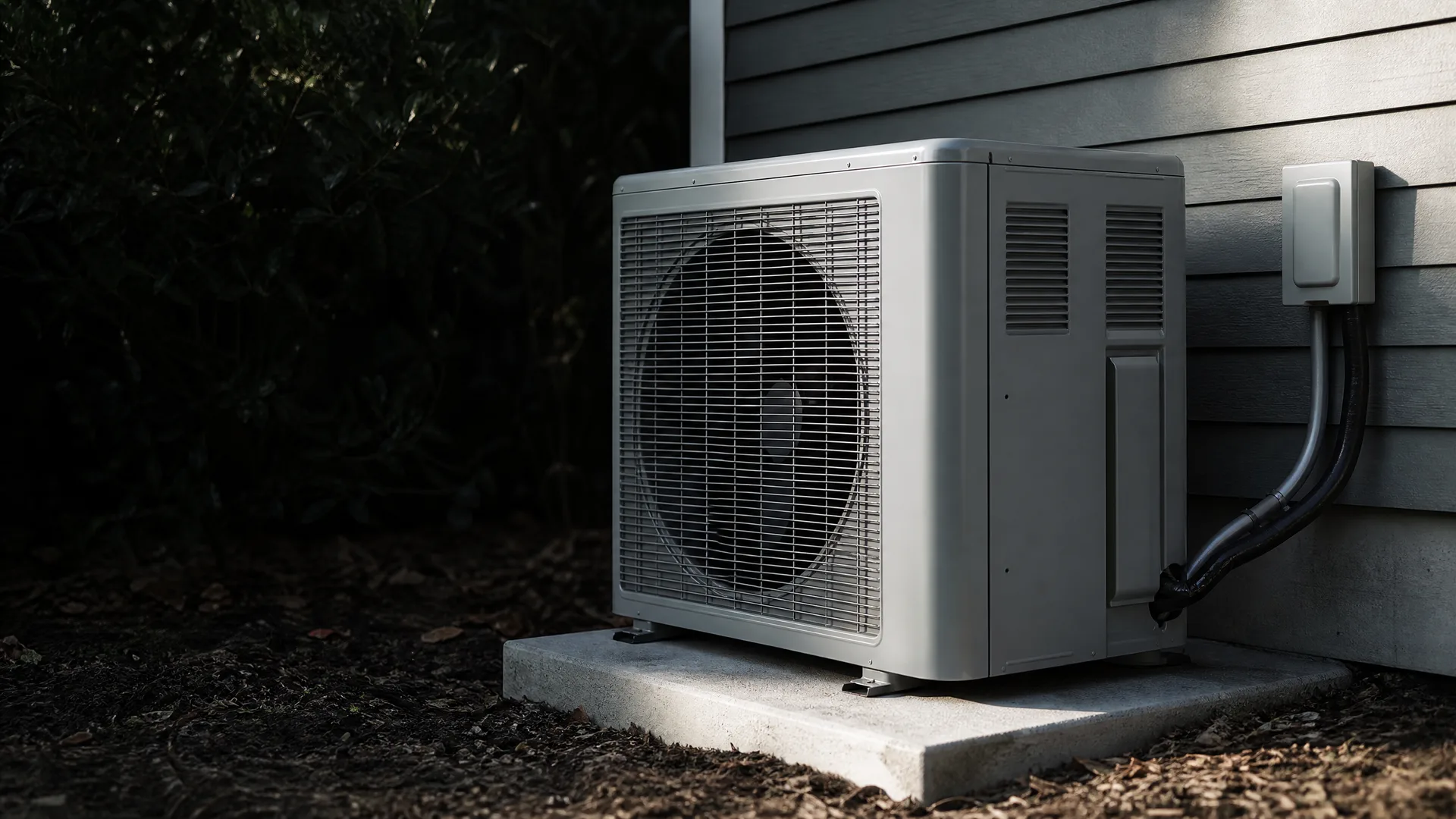
An outdoor air conditioning or heat pump condenser unit on a concrete pad beside a gray horizontal-sided house, with a disconnect box and conduit on the wall and dark shrubbery to the left.

Find a heat pump installation pro in Prince George's County

New system or replacementHeat PumpPrince George's County, MD
Step 1 of 2

What ZIP code is the job in?