

Clean and clear
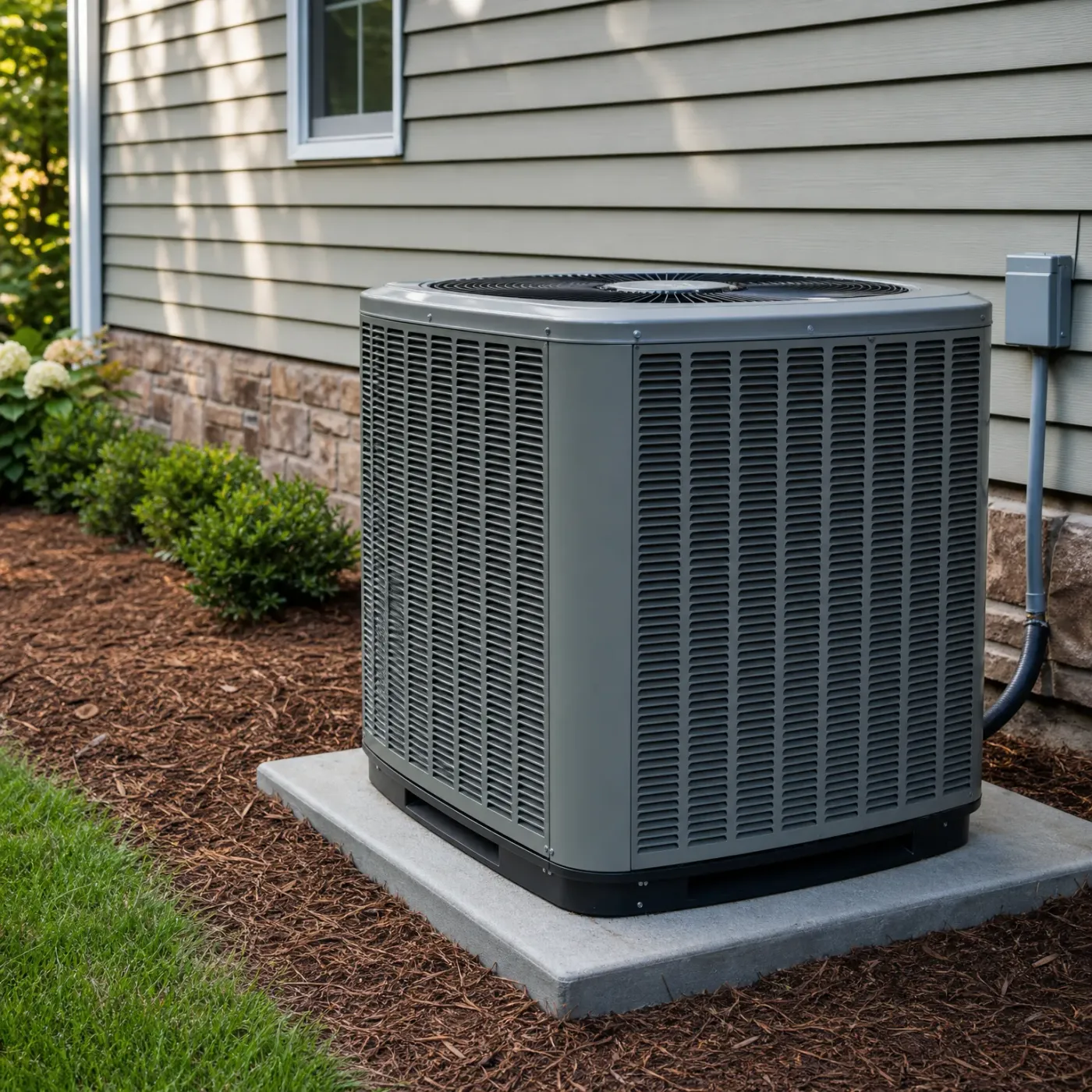
This condenser sits on its pad with open space around it, fins clean and the coil free of debris. Air moves through it the way it was built to. On a 97 degree day it can push heat out of the house as fast as the house takes it in.
A local pro who services air conditioners gets in touch about the tune-up.
When it's 97 degrees and the air is thick enough to chew, the last thing you want is your AC giving out. You're not looking for a lecture on how refrigerant works. You want to know what keeps the unit running when it has to work its hardest, and what to do before that stretch of heat settles in for a week.
An AC that's been checked over before the hard heat starts is far less likely to quit in the middle of it. A dirty filter makes the system work harder to push air through, and a coil or outdoor unit packed with grass clippings or leaves can't shed heat the way it needs to. Maryland summers push a unit to run for hours at a stretch on the worst days, and that's when a weak spot shows up. A system that was running fine in May can struggle once it's asked to run almost nonstop in July and August. Checking the filter monthly and keeping the space around the outdoor unit clear gives it the best shot at keeping up when the heat doesn't let up.
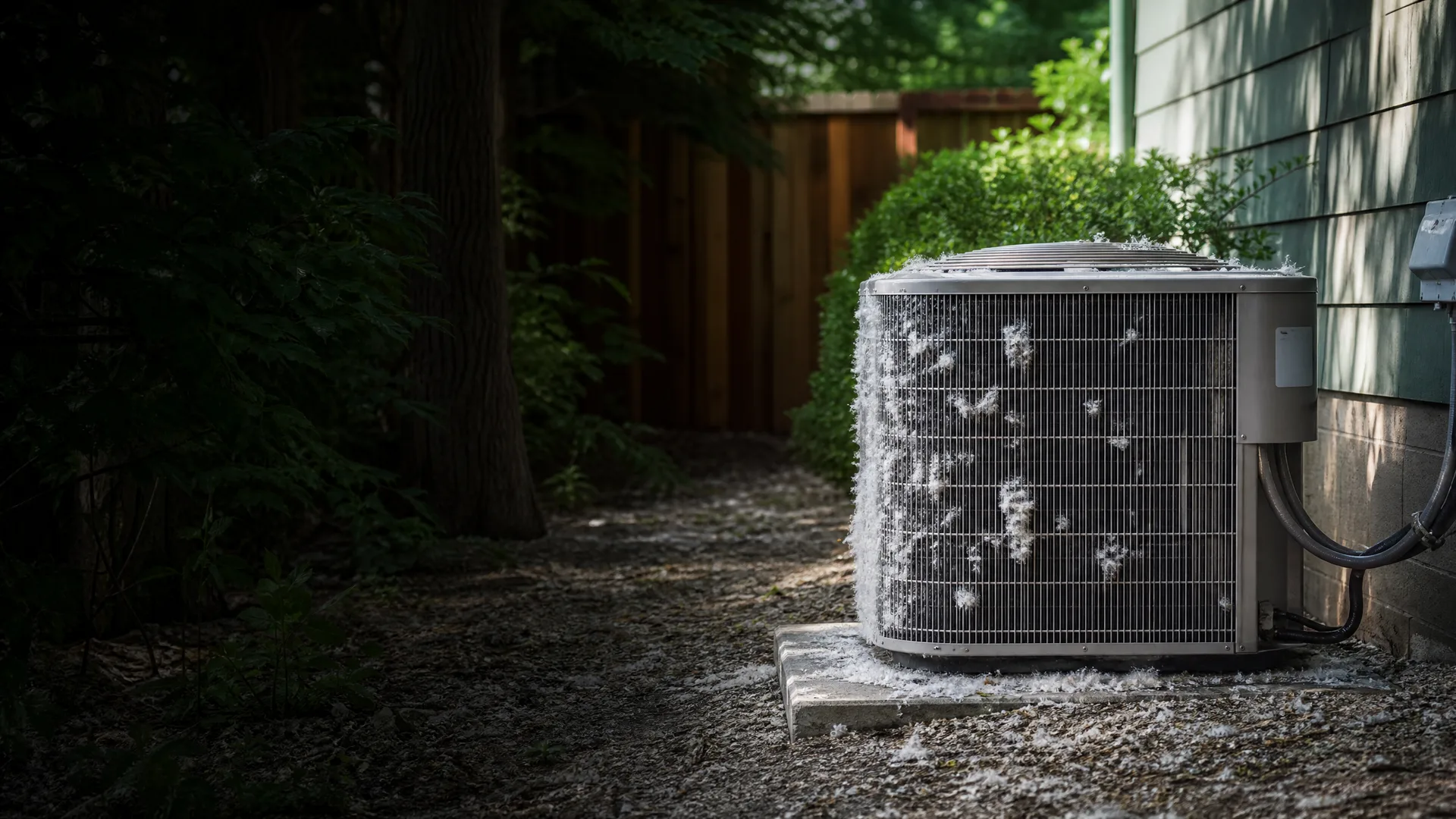
You're out pulling weeds along the side yard in late May, the kind of day where the air already feels like it's pressing on you before nine o'clock. You notice the condenser tucked against the house is covered in white fluff, drifted off the cottonwoods down the block and packed into the fins like snow that won't melt. You run a hand over it and it's dry, matted, stuck between the metal ridges. It's been sitting like that a while. You think about how hard that unit has been working the past few afternoons, and how it's pulling air through fins that are half blocked, and you make a note to deal with it before the next hot stretch sets in.
You turn the thermostat down to 72 and it never quite gets there. The air coming out of the vents feels cool but not cold, and the unit outside runs almost nonstop through the afternoon. Upstairs stays warmer than downstairs no matter what you set. You might notice the electric bill climbing faster than the temperature outside would explain. Some rooms have a faint musty smell when the air kicks on. None of this means the system has failed. It means it's working harder than it should to do the same job, and in a Maryland summer that strain doesn't let up for months. Left alone, a system running that hard for that long is the one most likely to quit the day you need it most.
This condenser sits on its pad with open space around it, fins clean and the coil free of debris. Air moves through it the way it was built to. On a 97 degree day it can push heat out of the house as fast as the house takes it in.

This one is caked with grime and sitting right against the siding. Dirt on the fins holds heat against the coil instead of letting it go. On the same afternoon, this unit works harder to do less, and the house it's attached to warms up faster than it cools.




A dirty condenser coil can make the air coming off it 15 degrees hotter than a clean one. That heat has nowhere to go but back into your afternoon electric bill.
A coil cleaning and refrigerant check once a year is what keeps a unit able to push 97 degree heat back out of the house instead of falling behind on it.

The compressor is the part doing the real work. It squeezes refrigerant into a hot gas and sends it through the condenser coil, where the fan pulls outside air across it to carry that heat away. On a Maryland day pushing past 95, the air going into that coil is already hot, so the coil has less room to dump heat before the refrigerant moves inside to cool your house. The compressor runs longer to make up the difference. Run it that hard for weeks with a coil that's dirty or a charge that's low, and it's working against itself the whole time.
A tech who's serviced that same compressor before knows what its pressures should read and what they're reading now. That's the difference between someone guessing at your system and someone who's already seen inside it. Once you're matched with a contractor who works on units like yours, they'll know what to check first and what your system needs before the next heat wave sets in.


This condenser has mulch and grass around it, not up against it. The shrub nearby keeps its distance. Air passes through the fins without resistance, so the unit sheds heat as fast as the compressor sends it, even when the afternoon sits near 97.

Grime coats the fins and the cage here. The coil underneath can't shed heat through that layer, so the unit runs long and still falls behind. The disconnect box and conduit on the wall are the only clean surfaces left in the picture.


One request and finding someone for the tune-up is handled.
Say what's going on with your air conditioner, and a pro who works on them reaches out.
You're not committing to anything by asking.

Summer air here holds a dew point around 64°F, by NOAA's average for the state. That's the number that tells you why the house feels heavy even when the thermostat says it's working. Air that wet is harder for your AC to wring moisture out of, and wringing out moisture is half the job it's doing every time it runs. The unit ends up cycling longer to pull the same comfort out of the air, and a system that already has dust on the coil or a low refrigerant charge feels that extra load first. You'll notice it as a house that stays clammy even when the temperature reads fine, or a unit that seems to run most of the afternoon without catching up.
NASA POWER T2MDEW county cells weighted by homes


Warm air returns through the vents and crosses the evaporator coil.
Refrigerant inside that coil absorbs the heat and turns to gas.
The compressor squeezes that gas and sends it to the condenser.
The condenser fan pulls outside air across the coil to release the heat.


A system that gets serviced every year holds its charge, its airflow and its coil the way it was set up to, so a 97 degree day costs you the same it did last summer.
A system that hasn't been looked at is already working harder than it should before the heat wave even starts, and that heat wave is what finds the weak spot.
At 19.53 cents per kilowatt-hour, every extra degree your AC has to fight on a 97 degree day shows up fast on the bill. A unit that's losing efficiency doesn't just run longer, it runs harder at a rate that punishes the waste.
EIA-861 2025 statewide residential average

Skip one spring tune-up and the coil picks up a season's worth of dust before anyone notices. The system still cools the house, so nothing looks wrong. But the compressor is pulling harder to move the same heat, and on a 97 degree day that difference shows up as longer run times and a bill that climbs faster than the temperature outside does. Nothing failed. It just started costing more to do the same job it did last year.
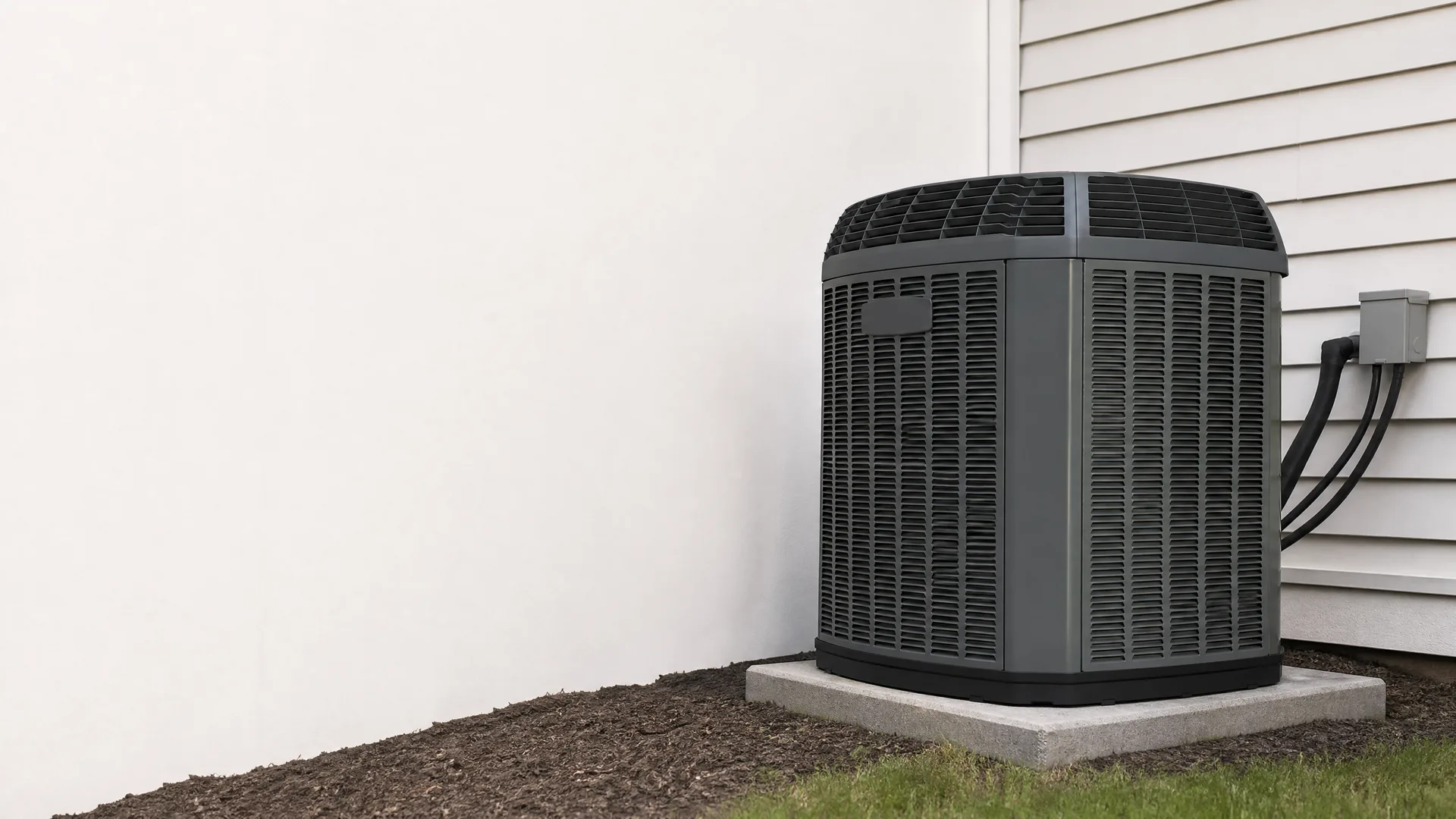
A system that gets looked at every year keeps its refrigerant charge where it belongs and its coil clear enough to shed heat the way it was built to. That means the compressor isn't fighting itself to hit 72 degrees, and the electric bill reflects the actual heat of the day instead of a system working around its own neglect. It's the difference between a machine that's tired and one that's simply doing its job in Maryland's August heat.
A Maryland summer doesn't ease up, and your AC either holds up with it or it doesn't. Maintenance is what decides which one happens: a clean coil, the right charge, a fan that still pulls air the way it was built to. None of that fixes itself in July. It gets checked ahead of the heat, or the heat finds whatever was already wearing thin. You've seen what a dirty coil costs on the electric bill and what a crowded condenser does to airflow on a 97 degree day. The fix for both is the same once-a-year visit, done before the house is depending on it. If your system hasn't had that visit, the part of this that's work is over. Send the form and a contractor who services your area will take it from there. You don't have to track down who's licensed, who's local, or who can actually get to your unit. That part is off your plate now.

It costs nothing to send, and you don't have to hire anyone.
A heat wave doesn't wait for a convenient week. If your AC has gone a year or more without a look, send the request now and let a contractor sort out the timing. Once it's sent, you're not the one chasing anyone down.