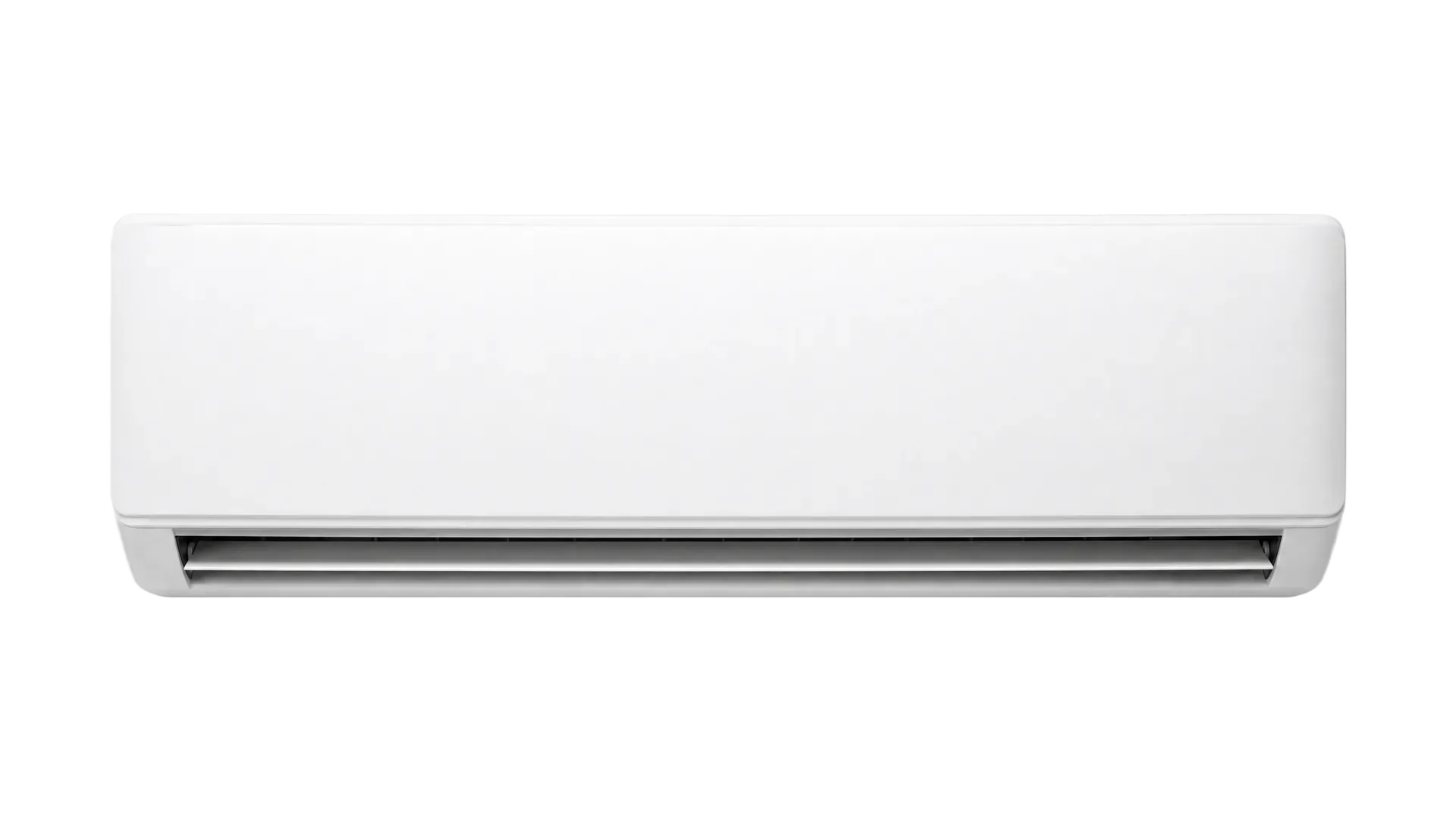
Running the way it should
This is a mini split doing its job. The wall unit stays clean, the vents stay clear, and the air moving through it is cool and dry even when Maryland's summer air is thick outside. Nothing around it shows strain.
A mini split in Maryland typically lasts 15 to 20 years. The compressor and the indoor air handler are built to run that long if the system is sized right for the room and installed with a properly sealed line set and a clean vacuum pull on the refrigerant lines. Summers here are humid, and a mini split that short cycles because it was oversized for the space will wear out its compressor years early, long before a correctly sized one would. Most homes in Maryland heat with electricity, and a lot of them lean on their mini split for that through the winter, so the system runs hard nearly year round rather than resting half the year like it might somewhere with gas heat. That extra workload makes the quality of the installation matter even more here than in a mild climate. A unit put in correctly, with the right refrigerant charge and proper airflow, can reach the upper end of that range. One installed wrong tends to need major repairs, or a full replacement, well before 15 years.


A mini split moves refrigerant between the outdoor compressor and the indoor coil through a line set that gets brazed, pressure tested, then pulled down to a vacuum before anything is charged. If that vacuum pull is rushed, moisture stays in the line and works on the compressor from the inside for years. Once it's running, the indoor coil in a Maryland summer is pulling water out of the air for hours at a stretch, not just cooling it, so a dirty filter or a clogged blower wheel means the compressor leans harder to move the same air. Winter brings its own cycle. The outdoor unit frosts up and has to defrost itself to keep the coil clear, and a system sized wrong for the room goes through that cycle more than it should. Some systems carry electric heat strips as backup for the coldest stretches, but a system sized correctly for the space should barely call on them. Refrigerant charge is weighed in at install to the exact figure the manufacturer sets, and even a small miss there has the compressor working against itself every time it kicks on.




One installer gets your project, so there's no bidding war over it.
Describe the project once instead of to every installer.
No fee to send it, and nothing to sign.

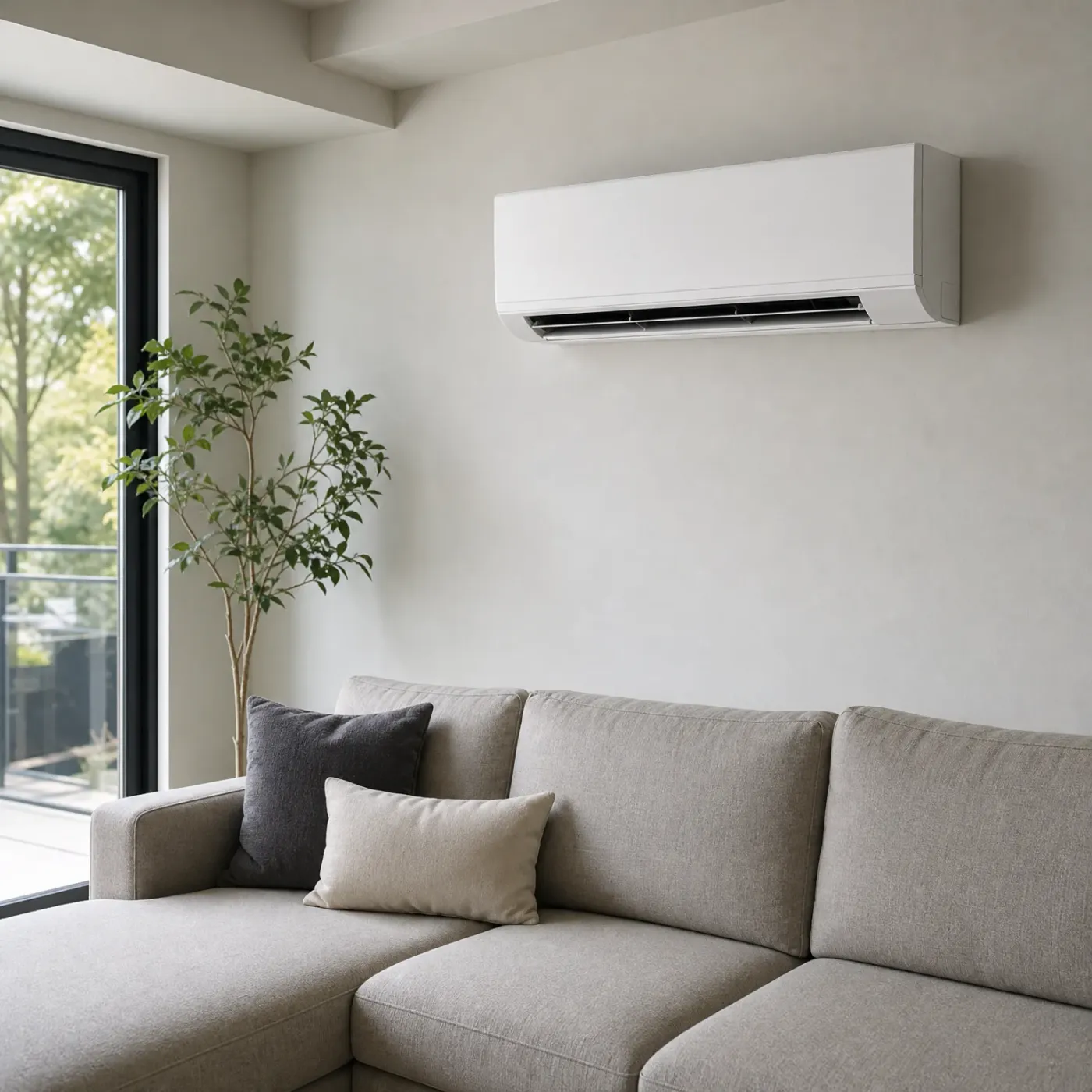
This is a mini split doing its job. The wall unit stays clean, the vents stay clear, and the air moving through it is cool and dry even when Maryland's summer air is thick outside. Nothing around it shows strain.

The grime along the vents is condensation mixing with dust the system can't shed fast enough. A unit working harder than it should pulls in more of both. Left alone, that buildup cuts airflow and shortens how long the compressor holds up.


A mini split runs through more cycles in a Maryland summer than almost anywhere else it gets installed, and every one of those cycles puts load on the same compressor and the same line set joints.
A system that was installed clean holds up to that load for 15 to 20 years. One with a bad braze joint or a rushed vacuum pull starts losing charge long before then, and the compressor wears faster for it.
At 19.53 cents per kilowatt-hour, a mini split that short cycles or leaks refrigerant from a bad install shows up on your bill long before it shows up as a repair. A unit sized and sealed right keeps that cost down for the full 15 to 20 years.
EIA-861 2025 statewide residential average



A mini split in Maryland lasts 15 to 20 years when it's sized for the room, the line set is brazed clean, and the vacuum pull proves the system dry before the refrigerant goes in. Get that wrong and the same unit can show wear years early, running up your electric bill as it struggles through the summer humidity. The install is what decides which one you get.
Finding someone who does that work correctly means more than picking a name off a list. It means not spending an afternoon calling around, explaining the same problem to three different companies, and then trying to compare quotes that don't line up because nobody measured the room the same way. A local contractor who installs these systems every summer knows what Maryland's heat does to a line set and sizes the job accordingly, so you're dealing with one crew who already knows the work, not several voicemails you have to sort through yourself.


Your request goes to one pro, not a list of companies.