

Normal operation
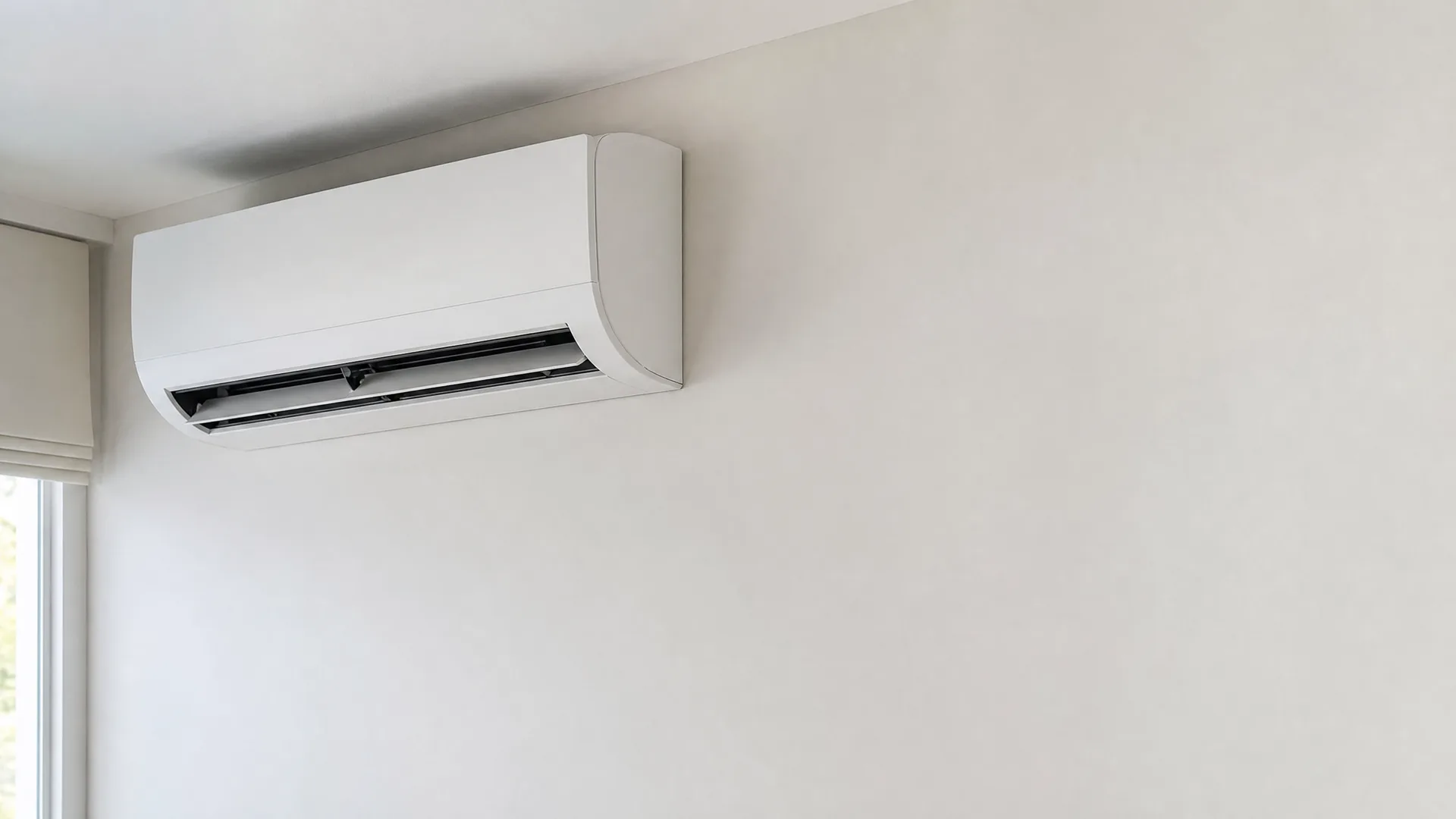
A mini split running right makes a low, steady hum from the indoor unit and barely any noise at all in the room. Air moves out of the vents evenly. No rattle, no knocking, no smell.
A mini split that buzzes, clicks, or rattles is usually telling you something specific, not failing outright. A clicking sound when it starts or stops is normal, that's the relay switching power. A buzzing noise from the outdoor unit often means a loose part vibrating against the cabinet, or a failing fan motor. Rattling can mean debris caught in the outdoor fan, or a mounting bracket that has worked loose over time. A hissing sound points to refrigerant moving through the lines, or in some cases a leak. With Baltimore's summers running hot and sticky, these units run long hours from May through September, and that steady workload is what tends to loosen parts or wear down a motor bearing faster than it would in a system that barely runs. If the noise is new, or getting louder, it is worth having someone look at it before a small loose part turns into a bigger repair.

A mini split running right makes a low, steady hum from the indoor unit and barely any noise at all in the room. Air moves out of the vents evenly. No rattle, no knocking, no smell.

Dust and dark grime along the vents usually mean the coil and filter behind them are just as dirty. A unit running like this often sounds labored, with airflow that seems weaker than it used to be.
Cooling runs June through September
Cooling runs June through September here, so a rattling outdoor unit has months left to work before the noise waits for you.
Heat runs October through April
Heat runs October through April, meaning the same mini split is carrying both jobs most of the year with little downtime to rest.
Power here costs 20.22 cents per kilowatt-hour
Power here runs 20.22 cents per kilowatt-hour, so a mini split working harder to cover a loose part or dirty coil shows up fast on the bill.
NOAA nClimDiv 1991-2020 · EIA-861 2025
The outdoor unit sits on a pad or bracket and holds the compressor and fan. A rattle there often means a fan blade hitting ice buildup, a loose mounting bolt, or a stone or stick caught in the housing. Baltimore summers push this unit hard from June through September, and a noise that starts small in June tends to get louder by August if nothing changes it.
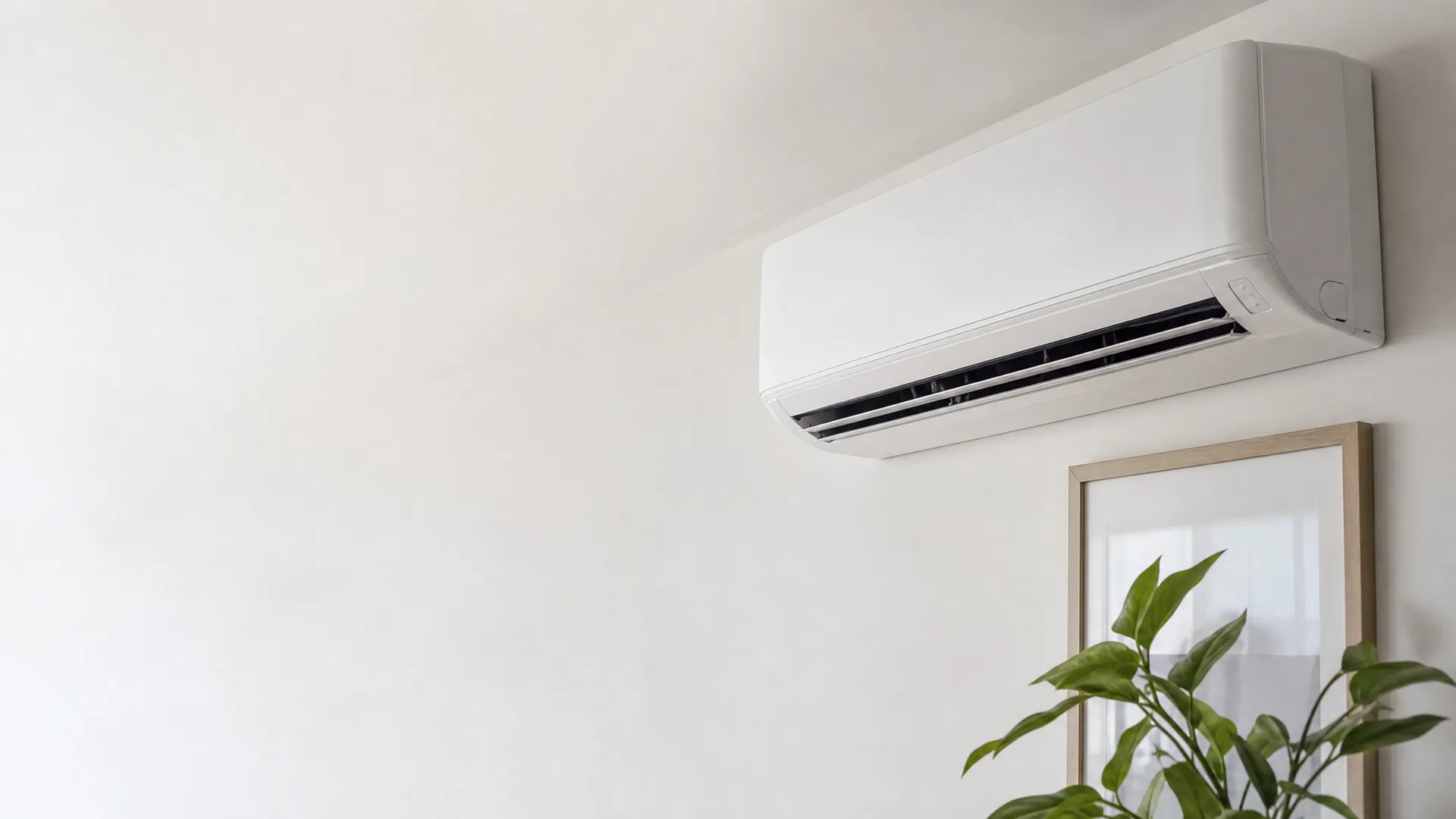
The indoor head moves air across a coil and pushes it out through a louver. A clicking or ticking from this unit as it starts or stops is the louver motor finding its position, not a problem. A hiss or gurgle is different. That points to refrigerant moving somewhere it shouldn't, often at a joint behind the wall where you can't see it.
Four months of real cooling is enough time for a small noise to turn into a bigger one. A rattle you shrug off in June can mean a worn part running rough through August, right when the unit is working hardest to keep the house comfortable.
NOAA nClimDiv 1991-2020
A noisy mini split usually shows up in the room before it shows up on a bill. The air coming out feels weaker or less steady. You hear the indoor unit cycling more, trying to hit the temperature you set. Some people notice it most at night, when the house is quiet and a new rattle or hum stands out against everything else. If the noise is new, that's the part worth paying attention to. A sound that's always been there is probably just how your unit runs.
A loose part or a fan dragging on ice doesn't fix itself. Left alone through a Baltimore summer, a small rattle can wear into a bent blade or a failing motor, and a unit working harder than it should pulls more power doing it. Power here isn't cheap, so a mini split running rough for months adds up on the bill before it adds up in a repair. Some noises also point to a refrigerant leak, which can leave a room not cooling at all by August.


A mini split that keeps making noise doesn't fix itself by waiting it out. Summer here runs hot enough that the outdoor unit is working close to its limit most days from June through September, and a loose part or failing fan motor tends to get worse under that kind of load, not better. Winter puts the same strain on it from the other direction, since the compressor is running to pull heat out of cold air instead of dumping it. Either way, the noise is a sign of something specific wearing in, and the part causing it doesn't improve with more hours on it. Baltimore weather doesn't give a mini split much downtime to rest between seasons, so a sound that started small in spring can be a bigger repair by fall. Getting a contractor to look at it now, while the unit is still running, is easier than waiting until it stops.
A sound that comes and goes isn't worth a service call yet. If the clicking only happens once when the unit starts or stops, that's the relay doing its job, and it's not getting worse.
A sound that's steady or getting louder is worth one. A rattle that's there every time the unit runs, or a buzz that's louder this week than last, points to a part wearing down, not a part doing its job.





A mini split that sounds right fades into the background. The indoor unit holds a low, steady hum, air moves out evenly, and the panel stays clean. You'd have to stand next to it to notice it's on at all.

Dark grime across the casing isn't only cosmetic. It usually means dust has built up inside too, around the fan and coil, and that's often where a new rattle or a louder hum starts. A unit that looks like this is worth a closer listen.

Most of what a mini split tells you through sound comes down to a few things. A relay clicking into place. A fan blade catching on ice or debris. A bolt that worked itself loose. A motor bearing wearing out. None of these fix themselves, and none of them need guessing from across the room.
You know now what to listen for, and whether it can wait or shouldn't. If it's worth a second opinion, the next step is getting matched with a contractor who works on mini splits like yours and knows what a sound like that usually means in a Baltimore summer. They'll reach out once you've sent the details. From there, finding the right person stops being something you have to figure out on your own.


Send it once and finding someone is no longer on you.
You only hire the pro if you want to.