Matched to your heat pump job
Why your heat pump bill jumps in a Maryland winter
Your heat pump works harder in a Maryland winter than it does cooling your house in summer, and electricity here isn't cheap. This page gets into what drives that bill up, from outdoor temperatures to backup heat kicking on, and what's normal versus what's a sign something needs a look. A local contractor who works on heat pumps all winter can tell you which one applies to you.
Get a heat pump proYour heat pump bill climbs in winter because the colder it gets outside, the harder the unit has to work to pull heat out of that air, and below the mid-30s it starts leaning on backup electric heat strips to keep up. Those strips are plain electric resistance heat, the same as a space heater, and they draw a lot more power than the heat pump's compressor does on its own. If your thermostat is set to recover quickly from a setback, or if the outdoor unit is icing over and running defrost cycles often, that backup heat kicks in more than it needs to. Since most homes in Maryland heat with electricity, and electricity here costs more than it does in a lot of the country, any extra hour of strip heat shows up fast on the bill. A heat pump that's low on refrigerant or has a failing defrost control will lean on that backup heat far more than it should.




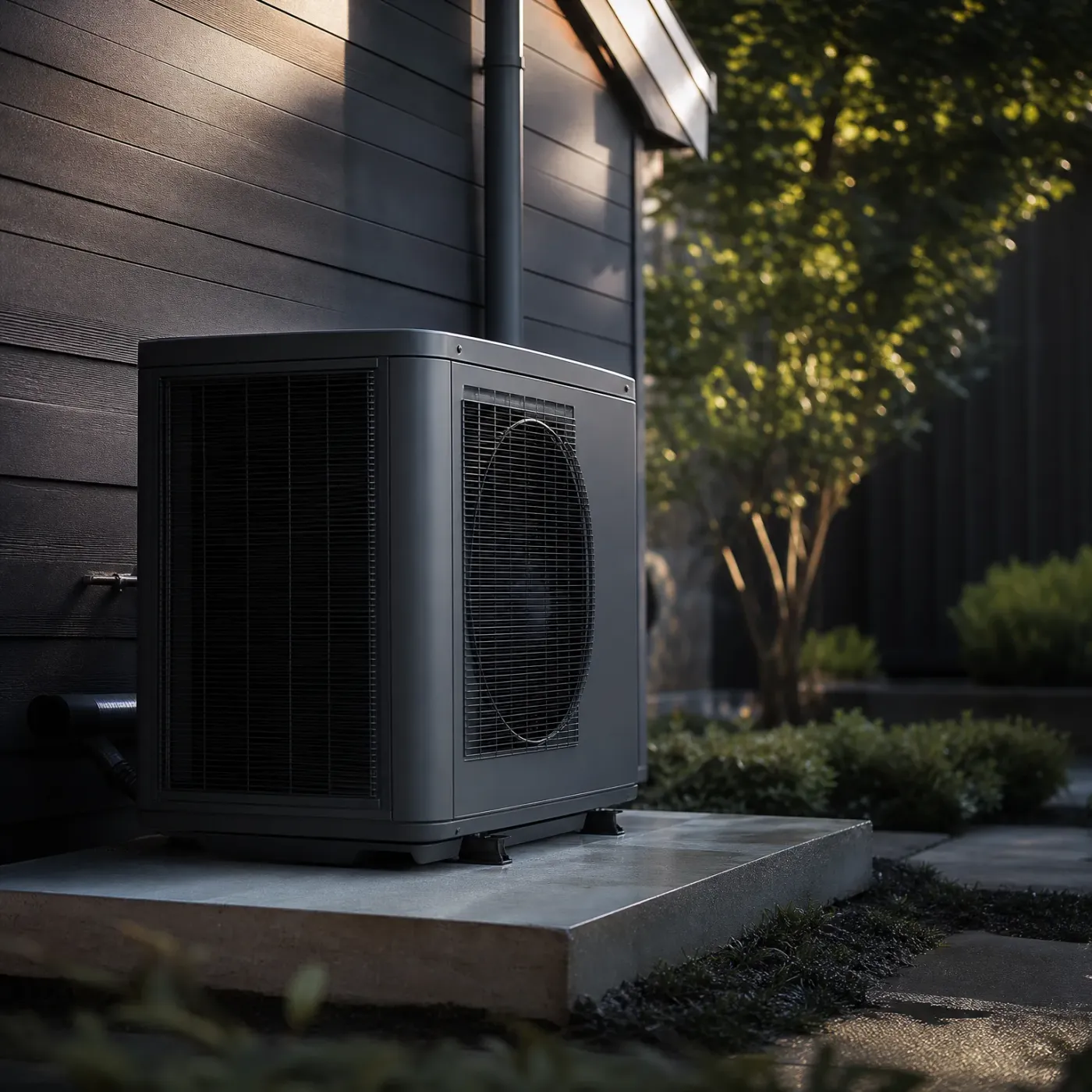
A heat pump doesn't make heat the way a furnace does. It moves heat from the outdoor air into your house, and the colder that air gets, the less heat there is to grab. So output drops right when you need it most. Several times a day in cold weather, the system reverses itself for a few minutes to melt frost off the outdoor coil. The house would feel a draft of cool air during that reversal, so backup heat strips often kick in to cover it. Those strips are plain electric resistance heat, and they draw far more current than the compressor. An hour of strip heat costs more than an hour of the compressor running on its own. Even your thermostat plays a part. If it's set back overnight and has to recover a few degrees in the morning, that jump can trigger backup heat on a day that isn't even that cold. And if the system has a low refrigerant charge or a worn reversing valve, the compressor runs longer to get the same result, which pulls backup heat into the cycle more than it should.
What's Actually Driving That Bill
- A heat pump moves heat instead of making it, so its output drops as the outdoor temperature drops, unlike a furnace.
- The defrost cycle reverses the system for several minutes at a time to melt ice off the outdoor coil, and backup heat often runs during that reversal to keep the house from feeling the cold air.
- Backup heat strips pull far more current than the compressor does, so an hour of strip heat costs more than an hour of normal compressor operation.
- A thermostat set to recovery from a lower setback temperature in the morning can trigger backup heat even on a day that isn't especially cold.
- A low refrigerant charge or a failing reversing valve makes the compressor run longer to reach the same temperature, which pulls more backup heat into the cycle.
- An outdoor coil that stays iced over longer than a normal defrost cycle is a sign something's keeping the system from heating efficiently.


Is your heat pump running nearly nonstop this winter?
Stand near a vent and feel air that's warm but not hot, running almost all the time instead of cycling off. Walk outside and listen for the outdoor unit humming through the evening, or notice ice built up on it that doesn't seem to clear. Check the breaker panel for one that trips more than it used to. Inside, a room or two might stay cooler than the rest of the house no matter what the thermostat says. Any of these can mean the system is leaning harder on backup heat strips than it should, and the longer that goes unchecked, the more it shows up on your electric bill, and the more strain it puts on parts that weren't built to run that hard that often.

Summers here run humid, with the dew point averaging 64°F across June, July and August according to NOAA climate data for Maryland. That's the moisture your heat pump pulls out of the air every time it cools your house, and it's steady work across the summer, not an occasional spike. The coil doing that job in July is the same coil that has to pull heat out of cold air in January, and a coil that's been running against heavy moisture all summer carries that wear into winter. If yours has been short-cycling or icing over on humid summer nights, that same unit is what you're leaning on when temperatures drop. A local contractor who works on these systems through both seasons will know what that kind of year-round strain usually turns into.
NASA POWER T2MDEW county cells weighted by homes
A heat pump pro near you
If your heat pump is running almost nonstop, icing up more than it should, or leaning hard on backup heat on nights that aren't even that cold, something is off, and running that way all winter is what pushes a Maryland power bill higher than it needs to be. A unit that's low on refrigerant, has a stuck defrost control, or has a coil too dirty to pull heat efficiently will keep working and keep costing you, without ever fully failing. A licensed contractor near you who works on heat pumps all winter knows what tends to go wrong in this weather and what to check first. Ask to be matched and the request goes to one contractor local to you, not a handful competing for your call. That contractor will reach out and take a look at what your system is actually doing before another cold month runs up the bill further.
How refrigerant charge changes output
A heat pump moves a fixed amount of refrigerant through the system to carry heat indoors. If the charge is low, from a slow leak at a fitting or a rubbed-through line, the unit can't move as much heat per minute, so it runs longer to reach the same indoor temperature. That longer runtime is what shows up on the bill, often before you notice any drop in comfort. A system low on charge also tends to frost the outdoor coil more often, which triggers more defrost cycles and more backup heat. Checking charge takes gauges and training, not guesswork, which is why a change in runtime is worth having looked at before the next cold snap.
What a dirty filter costs you
The filter sits in the return duct, not outside, and its job is cleaning the air moving through the system, not carrying it. A filter clogged with dust and pet hair restricts how much air reaches the indoor coil. Less airflow means the coil can't transfer heat as well, so the heat pump stretches its runtime and backup strips kick in more to cover the gap. Most filters need changing every one to three months depending on the home, and a quick look at it tells you whether it's doing its job. It's one of the few checks that doesn't need a contractor, and it's often the first thing one rules out.
Power costs 19.53 cents per kilowatt-hour statewide
At that rate, every hour your heat pump leans on its backup heat strips instead of just moving heat costs you more than an hour of normal compressor operation. A unit that's cycling right keeps that time short. One that's struggling stretches it out, and you pay for it at close to twenty cents a kilowatt-hour.
EIA-861 2025 statewide residential average
A heat pump that's low on refrigerant or losing airflow across a dirty coil will still heat your house. It just takes longer and leans on backup heat more to get there, and you may not notice anything beyond the bill.
A heat pump checked and serviced before the cold sets in runs the way it's supposed to: short bursts of backup heat during defrost, not long stretches of it on an ordinary 30 degree night.


What's Driving Your Bill
- A Maryland winter bill that's higher than last year usually traces back to backup heat strips running more than they should.
- A heat pump icing over, running nonstop, or blowing warm instead of hot air is working harder than it needs to.
- Low refrigerant and a dirty outdoor coil both push a heat pump to lean on backup heat sooner, and neither fixes itself.
- A local contractor who services heat pumps all winter knows which of these usually turns out to be the cause.
- Getting matched with one contractor who works on your equipment means one visit and one point of contact, not a round of calls to sort through.
- Catching a weak system before deep cold hits keeps one problem from turning into a bigger repair.
A heat pump bill that's higher than it should be almost always comes down to the unit leaning on backup heat more than it needs to. That can mean a refrigerant leak, a dirty outdoor coil, or a defrost cycle that's running longer than it should. None of those fix themselves over a Maryland winter. They tend to get worse as the cold holds on, and the bill keeps showing it.
The signs are things you can check yourself. Air that's warm but not hot. A unit that runs nearly nonstop instead of cycling. Ice on the outdoor coil that doesn't clear. Any one of those points to a system working harder than it should to keep your house at temperature.
Sorting out which of those it is takes someone who works on heat pumps through the winter, not just the summer rush. A contractor who services this equipment all season knows what usually fails first in a system like yours, and what to check before guessing at a fix. That's the kind of local knowledge that narrows this down fast instead of turning it into trial and error.
Getting matched means one contractor reaches out, not several. You explain the problem once, to someone licensed to work on it, and go from there. Catching a system that's leaning hard on backup heat now, before the next cold snap, is usually a smaller fix than waiting until it quits keeping up altogether.

Heat Pump Repair
A local pro for your heat pump repair

- Say what's going on with your heat pump, and a pro who works on them reaches out.
- A local pro who knows heat pumps gets your details and gets in touch.

- Send it once and finding someone is no longer on you.
- Send the request today and let a heat pump pro reach out to you.

- Fill out one short form instead of calling around.
- Explain the job once and skip repeating it on every call.

- Only one pro gets your request, so you hear from one company.
- Your request stays with one local pro.